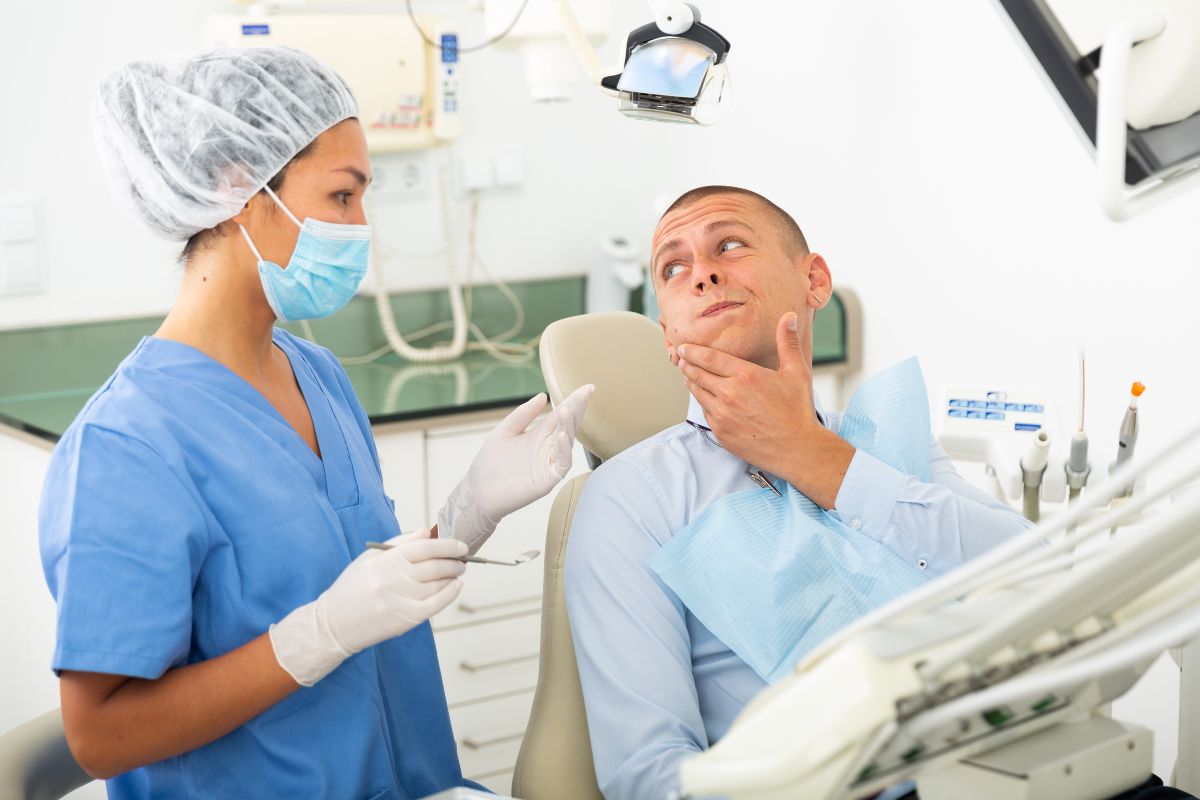
Dental emergencies can happen when you least expect them. Whether it’s a sudden toothache or a knocked-out tooth, knowing how to respond quickly can make a big difference in minimizing pain and preventing further damage. Here, we’ll discuss common dental emergencies, what to do in these situations, and how emergency dental services can help restore your smile.
Recognizing a Dental Emergency
Dental emergencies can happen unexpectedly, and it’s important to know when to seek immediate care. Recognizing common dental emergencies can help you act quickly and prevent further complications. Whether it’s a sudden toothache, an injury, or an infection, knowing how to respond can make a significant difference. Let’s take a look at the most common dental emergencies and how to handle them.
1. Severe Tooth Pain
Toothaches can range from mild discomfort to excruciating pain. This pain is often caused by tooth decay, infection, or gum disease. If you experience intense pain, it’s important to seek immediate care.
What to Do:
- Rinse your mouth with warm water to clean the affected area.
- Floss carefully to remove any food particles stuck between your teeth.
- Apply a cold compress on the outside of your cheek to reduce swelling.
- Avoid placing aspirin directly on the affected tooth, as it can burn your gum tissue.
If the pain persists, contact an emergency dental service immediately, as this could indicate an infection or abscess that requires professional treatment.
2. Knocked-Out Tooth
A knocked-out tooth can be a scary experience, but prompt action increases the chance of saving the tooth. This type of dental emergency can happen due to an accident, fall, or sports injury.
What to Do:
- Retrieve the tooth carefully by holding it by the crown (the part you chew with), not the root.
- Rinse the tooth gently with water if it’s dirty, but do not scrub it or remove any tissue fragments.
- If possible, place the tooth back in the socket and bite down gently to keep it in place.
- If you can’t reinsert the tooth, place it in a container of milk or your saliva to keep it moist.
Get to a dentist within 30 minutes to an hour for the best chance of saving the tooth.
3. Broken or Chipped Tooth
A broken or chipped tooth can result from biting something hard, a fall, or even an accident. While it may not always cause severe pain, it can still be a significant cosmetic concern.
What to Do:
- Rinse your mouth with warm water to clean the area.
- Apply a cold compress to reduce swelling if the injury causes any pain or discomfort.
- Save any broken pieces of the tooth and bring them to the dentist.
In some cases, a chipped tooth can be repaired with dental bonding or a veneer, but it’s important to see a dentist as soon as possible to prevent further damage.
4. Loose or Knocked-Out Dental Filling
A loose or knocked-out dental filling can be uncomfortable and potentially lead to further decay. It is usually caused by wear and tear or a blow to the mouth.
What to Do:
- If the filling falls out, keep it in a safe place and bring it to your dentist.
- Cover the exposed area with dental wax or sugar-free gum to protect it from food and bacteria.
- Avoid chewing on that side of the mouth to prevent further damage to the tooth.
An emergency dentist will replace the filling and ensure the tooth is properly sealed.
5. Abscess or Swollen Gums
A dental abscess is a painful condition caused by a bacterial infection. It usually forms at the root of a tooth or between the gum and a tooth. Abscesses can lead to serious health problems if left untreated.
What to Do:
- Rinse your mouth with warm saltwater to relieve pain and reduce bacteria.
- Apply a cold compress to the affected area to ease swelling.
- Take over-the-counter pain relievers (like ibuprofen) to manage pain until you can see a dentist.
Abscesses require professional treatment, as the infection can spread to other areas of the body. Contact an emergency dental service immediately for care.
Conclusion
Dental emergencies are unpredictable, but knowing how to handle the most common dental emergencies can help reduce the pain and stress associated with them. Whether you’re dealing with a severe toothache, a knocked-out tooth, or a dental abscess, it’s crucial to seek prompt care from an emergency dentist. Remember, when in doubt, always call your dentist or emergency dental service to ensure the best possible outcome. Quick action and proper care can help you get back to a healthy smile in no time.