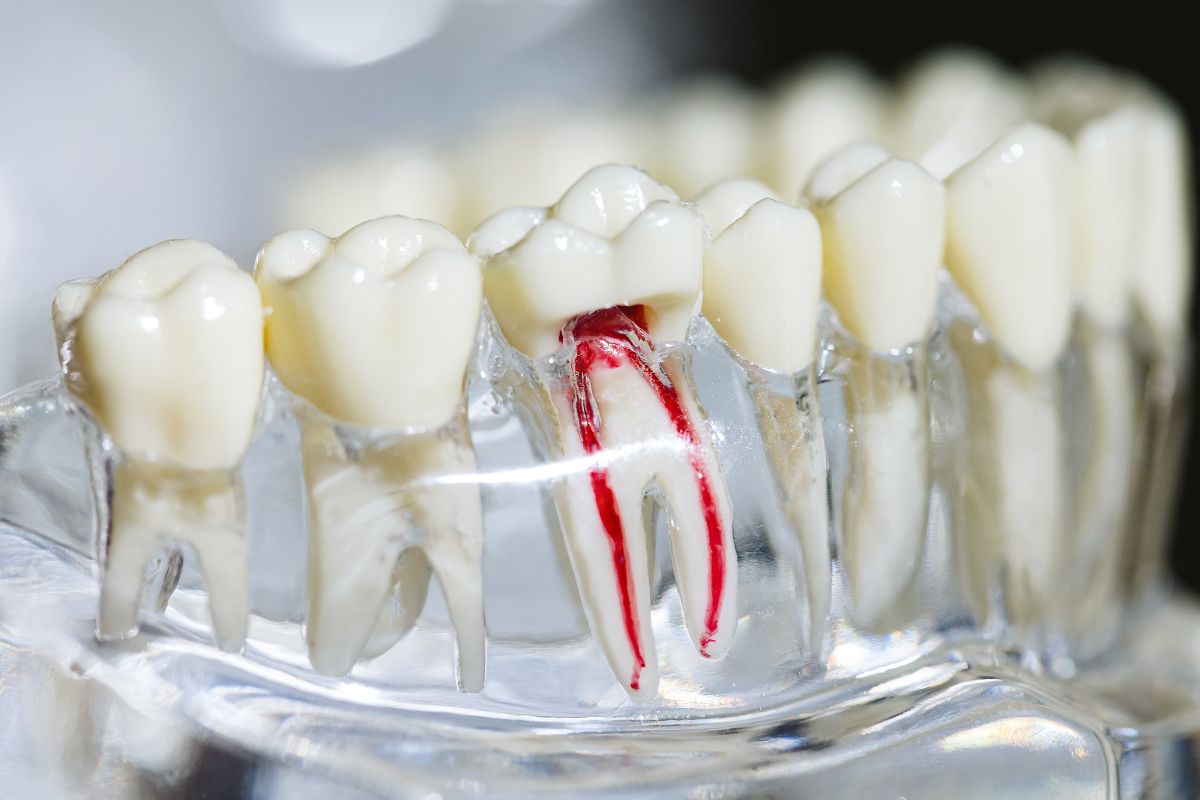
Your dentist may have mentioned the term “Root Canal Therapy” during a recent visit. Don’t panic! Root Canal Therapy saves your tooth when decay or infection threatens its health. Understanding how this treatment works can help ease any concerns and showcase its benefits.
What is Root Canal Therapy?
Root Canal Therapy is a dental procedure designed to remove infected or damaged pulp from inside your tooth. This treatment helps save your natural tooth, eliminating pain and preventing further complications. Without it, you might lose the tooth entirely, requiring more extensive dental work.
Signs You May Need Root Canal Therapy
Not all dental discomfort means a root canal is necessary. However, certain symptoms suggest you should consult your dentist:
- Persistent toothache or sensitivity, especially to hot or cold temperatures.
- Swelling or tenderness in the gums near the affected tooth.
- A darkened or discolored tooth.
- Pimples on the gums that drain pus.
If you notice these signs, schedule a dental appointment promptly to determine if Root Canal Therapy is needed.
The Process of Root Canal Therapy
Root Canal Therapy involves a series of carefully executed steps. Dentists use specialized tools and techniques to ensure the process is efficient and relatively comfortable. Here’s how it works:
1. Diagnosis and Preparation
Your dentist begins with an examination and X-rays to identify the extent of damage or infection. Once Root Canal Therapy is confirmed, they numb the area to ensure you’re comfortable. A protective sheet, known as a dental dam, is placed around the tooth to keep it dry and isolated.
2. Removing the Damaged Pulp
Using precise tools, the dentist creates a small opening in the tooth’s crown. Through this opening, the infected or damaged pulp is carefully removed from the canals of the tooth.
3. Cleaning and Shaping the Canals
After the pulp is removed, the dentist cleans and shapes the root canals to eliminate any bacteria and prepare them for filling. This step ensures the tooth is free from infection and ready for restoration.
4. Filling the Canals
Once cleaned, the canals are filled with a rubber-like material called gutta-percha. This material seals the canals, preventing future infections.
5. Sealing and Restoring the Tooth
Finally, the dentist places a temporary or permanent filling over the opening. In most cases, a crown is recommended to protect the tooth and restore its full functionality.
Why Root Canal Therapy Saves Your Tooth
Root Canal Therapy is essential for preserving your natural tooth. Here’s why it’s a better option than extraction:
- Maintains Your Natural Bite: A natural tooth keeps your bite aligned and supports the surrounding teeth.
- Prevents Bone Loss: Removing a tooth can lead to jawbone deterioration over time. Saving the tooth preserves bone health.
- Cost-Effective: While the procedure may seem costly upfront, it prevents the need for bridges or implants in the future.
- Relieves Pain: Root Canal Therapy eliminates the source of pain caused by infection or damage.
Myths About Root Canal Therapy
Despite its benefits, Root Canal Therapy often suffers from misconceptions. Here are common myths debunked:
- Myth: It’s extremely painful. Fact: Modern techniques and anesthesia make it a comfortable procedure.
- Myth: It’s better to remove the tooth. Fact: Saving your natural tooth is always preferable to extraction.
- Myth: It’s a lengthy procedure. Fact: Most root canals are completed in one or two appointments.
Aftercare Tips for a Successful Recovery
To ensure long-lasting results, follow these tips after your procedure:
- Avoid chewing on the treated tooth until the crown is placed.
- Maintain good oral hygiene with regular brushing and flossing.
- Visit your dentist for follow-ups and professional cleanings.
Conclusion
Root Canal Therapy saves your tooth by removing infection and restoring its health. The process, though intricate, is straightforward and effective. By choosing this treatment, you preserve your natural smile and avoid the complications of tooth loss. If you experience symptoms indicating a potential need for Root Canal Therapy, don’t hesitate to consult your dentist. Remember, taking timely action can save your tooth and improve your overall dental health.