Tooth enamel erosion is a gradual process that can lead to severe dental issues if left untreated. Understanding the stages of tooth enamel erosion can help in recognizing early signs and seeking professional care from a dentist before the condition worsens. This article explores the different stages of enamel erosion, how it affects oral health, and when to consult a dental professional.
What is Tooth Enamel Erosion?
Tooth enamel is the hard outer layer that protects teeth from damage. However, it can wear down due to acidic foods, poor oral hygiene, and certain medical conditions. Once enamel erodes, it does not regenerate, making early detection crucial.
Stages of Tooth Enamel Erosion
Enamel erosion occurs gradually in several stages. Below is a breakdown of how this condition progresses from mild to severe.
1. Early Stage: Initial Demineralization
- In this stage, acid exposure begins to weaken the enamel.
- White spots may appear on the surface of teeth due to mineral loss.
- Teeth may become sensitive to hot or cold foods.
- Proper brushing and fluoride treatments can help reverse this stage.
2. Mild Erosion: Surface Weakening
- The enamel starts to wear down, creating a rough texture.
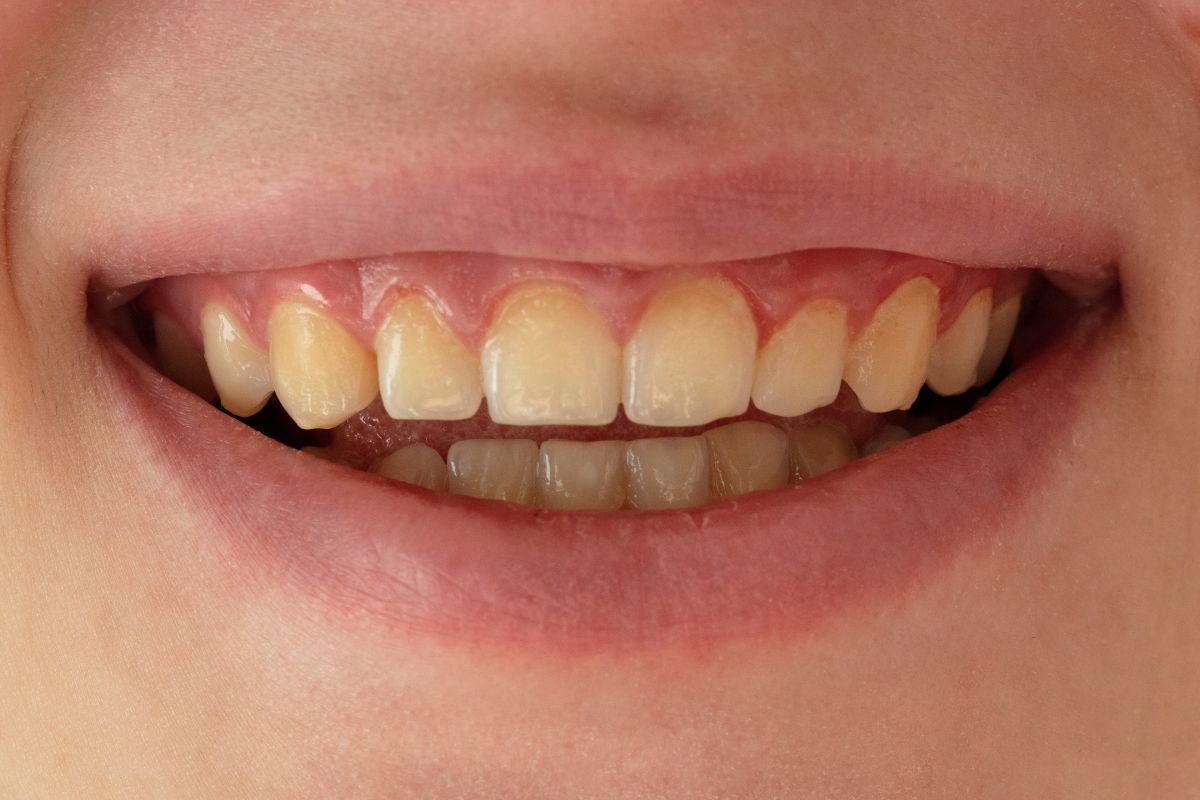
- Yellowish discoloration may become visible as the dentin beneath the enamel is exposed.
- Mild sensitivity to increased heat, especially when consuming acidic or sweet foods.
- A dentist can recommend fluoride treatments and dietary changes to slow erosion.
3. Moderate Erosion: Enamel Thinning
- Teeth begin to look more translucent as enamel continues to wear away.
- Sensitivity becomes more pronounced, especially when consuming hot, cold, or sugary foods.
- Small pits or indentations may form on the surface of the teeth.
- If you are a resident of Tennyson, visiting a dentist in Tennyson at this stage is advisable to prevent further damage.
4. Advanced Erosion: Significant Enamel Loss
- The protective enamel layer is severely worn down, exposing the dentin.
- Teeth become highly sensitive, causing discomfort when eating or drinking.
- Visible damage, such as chips or cracks, may occur.
- Restorative dental treatments like bonding or veneers may be needed.
5. Severe Erosion: Extensive Tooth Damage
- The enamel is almost completely worn away, leading to severe pain and sensitivity.
- Teeth may appear shorter, uneven, or severely discolored.
- Cavities, infections, and even tooth loss can occur.
- In severe cases, crowns or root canals may be necessary to restore oral health.
How to Prevent Tooth Enamel Erosion
While enamel erosion cannot be reversed, preventive measures can slow its progression:
- Brush twice a day with fluoride toothpaste.
- Limit acidic foods and beverages like citrus fruits and soda.
- Drink plenty of water to neutralize the acids in the mouth.
- Use a straw when drinking acidic beverages to minimize contact with teeth.
- Visit the dentist regularly for check-ups and professional cleanings.
Conclusion
Understanding the stages of tooth enamel erosion is essential in maintaining good oral health. Early intervention by a dentist can prevent minor erosion from turning into severe damage. If you experience sensitivity or notice changes in your teeth, seek help from our Tennyson-based dental office. For expert dental care, consider visiting Sierra Dental & Orthodontics to protect and restore your enamel before it’s too late.