Many people turn to Invisalign aligners for a discreet way to straighten their teeth, but a common question arises: Can Invisalign aligners correct jaw alignment issues as well? While these aligners are highly effective for various dental adjustments, they have limitations when it comes to treating complex jaw alignment problems. Let’s explore what Invisalign can and can’t do for jaw alignment issues and when other treatments might be necessary.
What Are Jaw Alignment Issues?
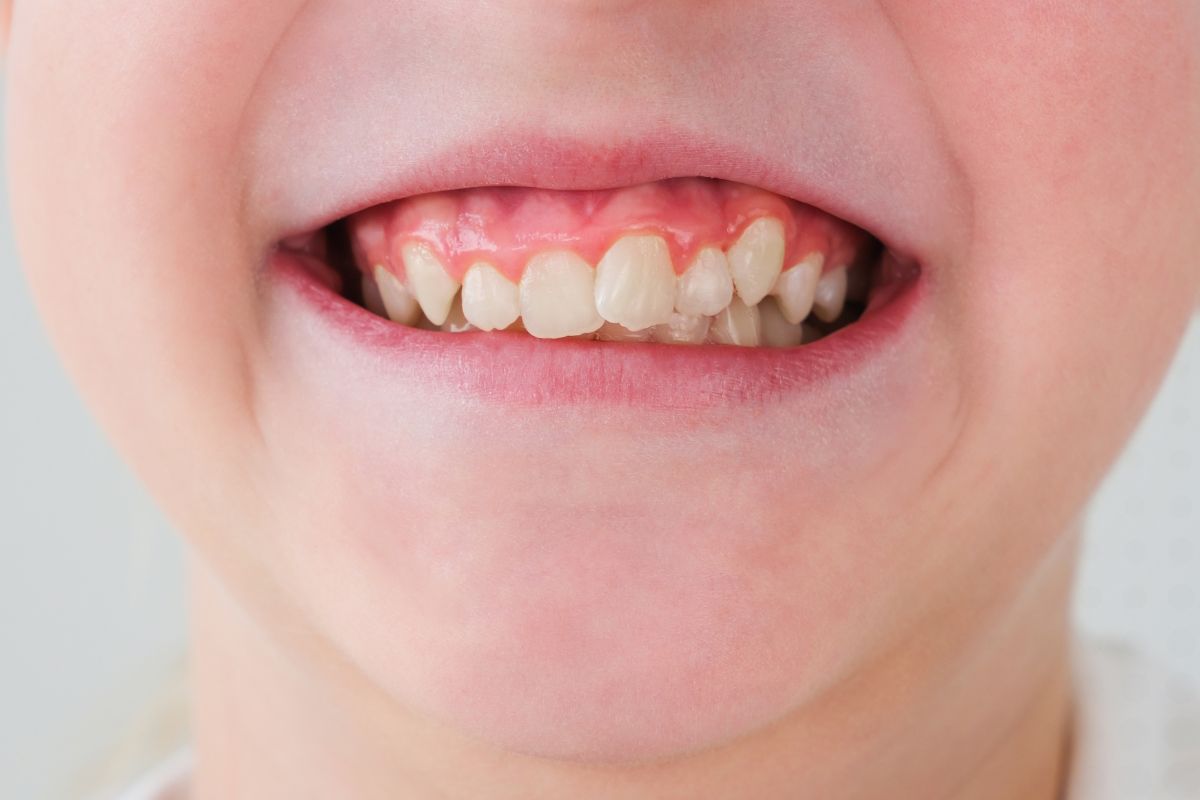
Jaw alignment, often referred to as bite alignment, is how the upper and lower jaws come together. Common issues with jaw alignment include:
- Overbite: The upper jaw overlaps the lower jaw excessively.
- Underbite: The lower jaw protrudes in front of the upper jaw.
- Crossbite: The upper and lower teeth do not line up correctly when the jaw is closed.
- Open bite: The upper and lower teeth do not touch when the mouth is closed.
These alignment issues can impact chewing, speaking, and even jaw health. Severe cases can lead to temporomandibular joint (TMJ) disorders and chronic pain, which might require specialized treatment beyond what clear aligners can provide.
How Invisalign Aligners Work
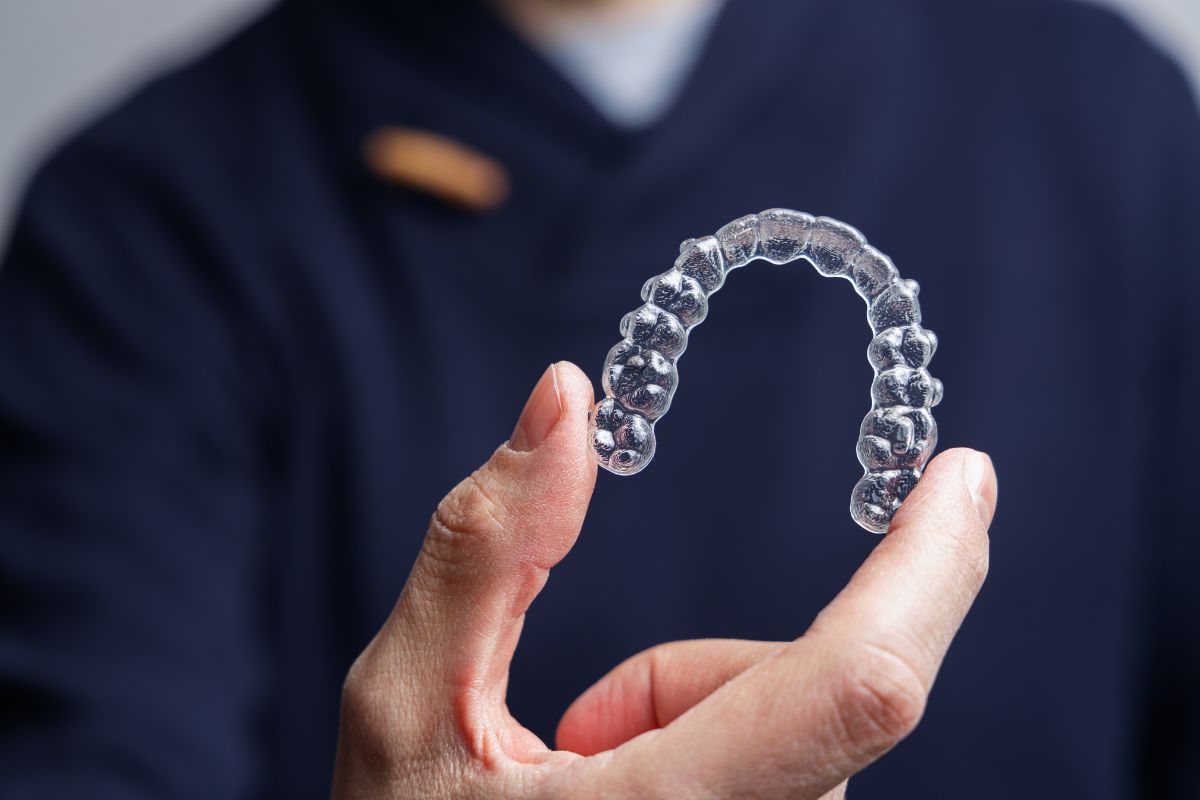
Invisalign aligners work by gradually shifting teeth into their desired positions using custom-made, clear plastic trays. Every one to two weeks, patients switch to a new set of aligners that applies gentle pressure to specific teeth, guiding them into better alignment. While Invisalign is highly effective for correcting crooked teeth and mild bite issues, it has some limitations for treating major jaw alignment concerns.
Ideal Conditions for Invisalign Treatment
Invisalign aligners are most effective in addressing:
- Crowded teeth
- Gaps between teeth
- Mild overbites and underbites
- Slight crossbites
When it comes to major jaw alignment issues, Invisalign aligners might not be able to fully correct the problem. Severe misalignments often require a combination of orthodontic and surgical treatments, which Invisalign alone cannot achieve.
Can Invisalign Aligners Correct Jaw Alignment Issues?
The answer depends on the severity of the jaw alignment problem. Here’s a closer look at what Invisalign aligners can and can’t do for jaw alignment:
1. Minor Jaw Alignment Adjustments
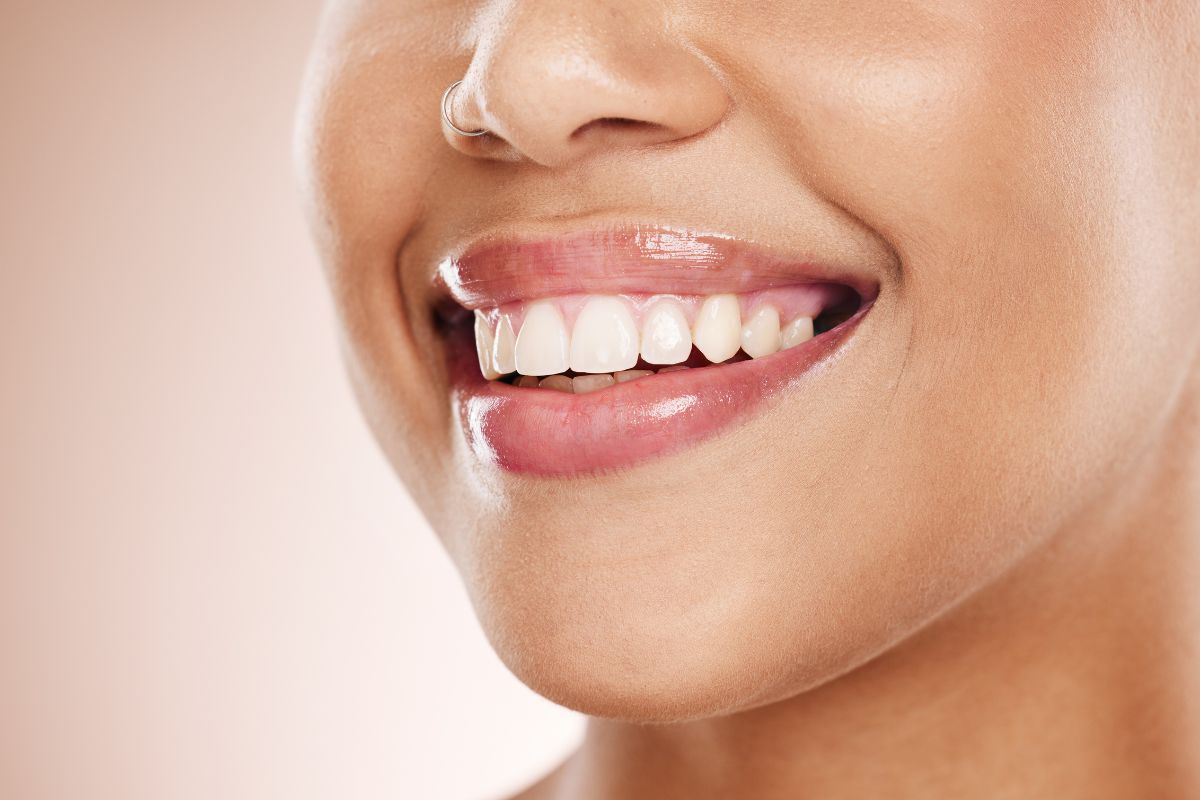
In cases of mild overbites, underbites, or crossbites, Invisalign can provide effective treatment. The aligners can guide the teeth into a position that improves how the upper and lower jaws come together. By aligning the teeth more accurately, mild bite alignment issues may improve, resulting in a better overall bite.
2. Moderate Jaw Alignment Issues
For moderate jaw alignment issues, Invisalign might still be helpful but may require the assistance of additional tools, such as rubber bands, to guide jaw movement. These elastic bands work by creating extra tension to encourage proper jaw alignment, which can sometimes make Invisalign effective for moderate cases.
3. Severe Jaw Misalignments
Severe jaw alignment problems, such as a pronounced underbite or a major skeletal issue, generally require more extensive treatments, including braces or even surgery. Invisalign aligners alone cannot correct complex jaw misalignments, as they focus mainly on tooth alignment rather than changing jaw structure. Orthodontic surgery may be required to reposition the jaw, after which Invisalign or braces can fine-tune tooth alignment if needed.
Benefits of Invisalign for Mild Jaw Issues
Although Invisalign may not work for all jaw alignment cases, it offers several advantages for those with mild or moderate conditions:
- Discreet Appearance: The clear aligners are almost invisible, making them a popular choice for those wanting a subtle treatment.
- Comfort: Invisalign aligners are made from smooth plastic, which typically feels more comfortable than traditional braces.
- Removability: Invisalign aligners can be removed while eating or cleaning, which allows for better hygiene and fewer food restrictions.
When to Consult an Orthodontist
If you’re considering Invisalign aligners for jaw alignment, it’s essential to consult an experienced orthodontist. They can assess whether your jaw alignment issue is mild, moderate, or severe and recommend the best treatment option. Orthodontists may suggest a hybrid approach, combining Invisalign with other treatments, if needed.
Conclusion: Invisalign as a Solution for Mild Jaw Alignment
Invisalign aligners can correct minor to moderate jaw alignment issues, but they aren’t the answer for severe jaw problems. For individuals with mild misalignments, Invisalign provides an effective, discreet option that aligns teeth and may improve bite alignment. However, if you’re dealing with a more complex jaw alignment issue, other orthodontic solutions or even surgical intervention may be necessary.
In any case, consulting an orthodontist will ensure that you get the best recommendation for your unique situation. Remember, achieving a healthy, well-aligned jaw is essential for both functional and aesthetic reasons, and finding the right treatment can make a lasting difference in your oral health.