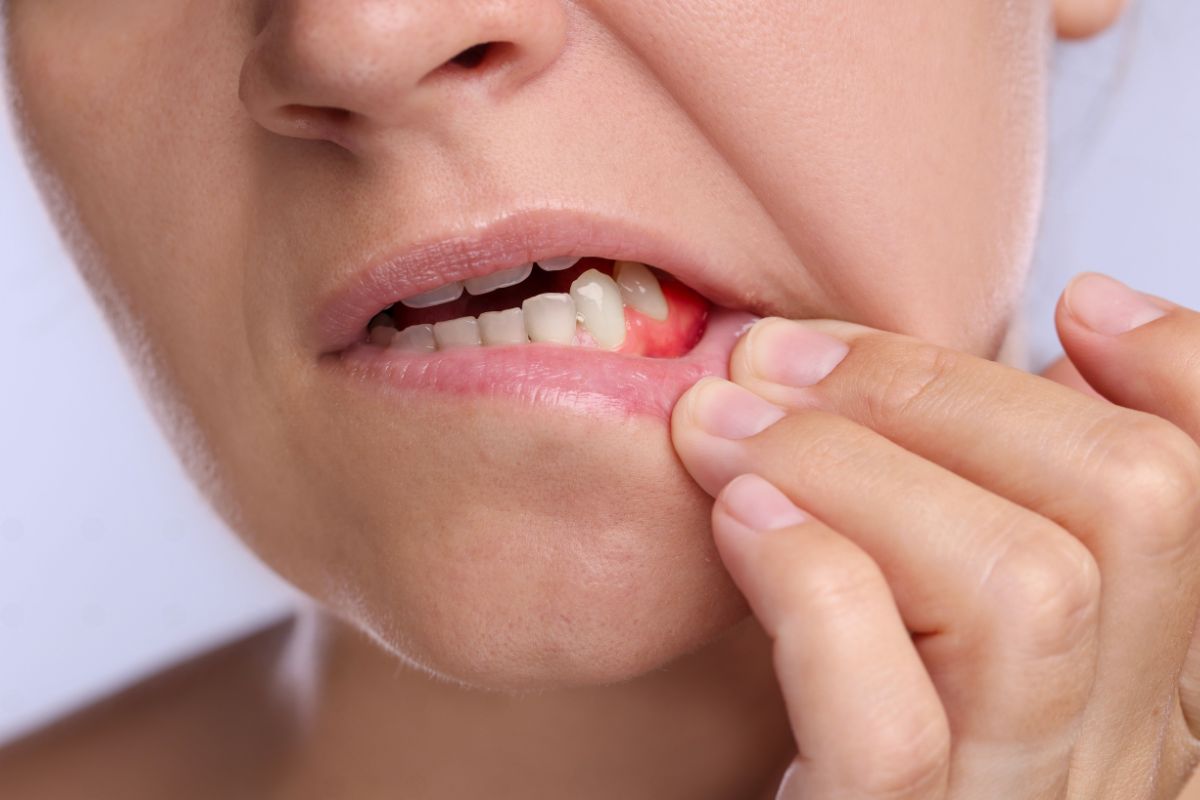
Can receding gums grow back without treatment? Many people notice their teeth looking longer or their gums pulling away from their teeth. At Sierra Dental & Orthodontics in Denver, patients can learn about the causes of gum recession and the treatments that may help protect their smiles. Although healthy gums are essential for strong teeth, lost gum tissue does not usually grow back on its own. However, the right care can help prevent further recession and improve gum health.
Gum recession happens when the gum tissue around a tooth wears away or moves downward. As a result, more of the tooth or its root becomes exposed. This can lead to tooth sensitivity, discomfort, and a higher risk of root decay.
The good news is that gum recession does not always require surgery. The best treatment depends on what caused the problem, how much tissue has been lost, and whether the condition is getting worse.
What Causes Gum Recession?
Your gums help protect the roots of your teeth and support your overall oral health. However, several factors can cause gum tissue to recede over time.
Understanding the cause is the first step toward choosing the right treatment.
Common Causes of Receding Gums
Aggressive brushing: Brushing too hard or using a hard-bristled toothbrush can wear away gum tissue. Instead, use a soft-bristled brush and gentle circular movements.
Gum disease: Plaque contains bacteria that can irritate your gums. If plaque remains on your teeth, it can harden into tartar and contribute to gum inflammation. Over time, advanced gum disease can damage the tissues and bone that support your teeth.
Genetics: Some people naturally have thinner gum tissue. Therefore, they may experience recession even when they maintain good oral hygiene.
Teeth grinding: Grinding or clenching can place extra pressure on your teeth and supporting structures. Your dentist can determine whether these habits contribute to your oral health concerns.
Misaligned teeth: Teeth that sit outside the natural dental arch may have thinner supporting tissue. Consequently, they can become more vulnerable to recession.
Tobacco use: Smoking and other tobacco products increase the risk of gum disease and can interfere with healing.
Dental appliances or piercings: Certain appliances and oral piercings may irritate gum tissue through repeated friction.
If you notice changes in your gumline, schedule a dental examination. Our RiNo dentist at Sierra Dental & Orthodontics can help evaluate your gum health and explain suitable next steps.
Can Receding Gums Grow Back Naturally?
The answer depends on what you mean by growing back. Once gum tissue has receded and the root becomes exposed, the lost tissue generally does not regenerate naturally.
For example, if you have gum recession because you brush too aggressively, changing your brushing technique may prevent further damage. Your gums may also become less inflamed if irritation is part of the problem. However, these improvements do not mean the lost gum tissue has returned.
Similarly, treating gum disease can help control infection and protect the remaining gum tissue. However, treatment does not automatically restore the original gumline.
What Natural Remedies Can and Cannot Do
Some home care practices support healthier gums, but they cannot replace lost tissue.
Helpful habits include:
- Gentle brushing: Use a soft-bristled toothbrush twice daily.
- Daily flossing: Clean between your teeth to remove plaque.
- Balanced nutrition: Eat a variety of foods that provide essential vitamins and minerals.
- Tobacco avoidance: Avoid smoking and other tobacco products.
- Regular dental visits: Professional cleanings help remove hardened deposits that brushing cannot remove.
However, be careful with claims that oil pulling, herbal rinses, saltwater, or special supplements can regrow receded gums. These methods do not reliably restore lost gum tissue.
Saltwater rinses may temporarily soothe irritated gums, but they cannot reverse recession. Likewise, no toothpaste can rebuild gum tissue that has already been lost.
Professional Treatments for Gum Recession
If recession affects your comfort, appearance, or dental health, a dentist can recommend treatment based on its severity.
1. Improved Oral Hygiene
Mild recession may only require changes to your daily routine. Your dentist can show you how to brush gently and clean between your teeth without irritating your gums.
Additionally, switching to a soft-bristled toothbrush or an electric toothbrush with a pressure sensor may help reduce excessive brushing force.
2. Treatment for Gum Disease
When gum disease contributes to recession, your dentist may recommend professional cleaning or scaling and root planing.
Scaling and root planing removes plaque and tartar from below the gumline and smooths the affected root surfaces. This helps reduce inflammation and makes it easier to maintain clean teeth.
However, advanced gum disease may require additional periodontal treatment. Your dentist will assess the depth of your gum pockets and the condition of the supporting bone before recommending a plan.
3. Desensitizing Treatments
Exposed tooth roots can cause sensitivity to cold drinks, hot foods, and sweet treats.
Your dentist may recommend desensitizing toothpaste, fluoride treatments, or other options that help protect sensitive areas. In some cases, a bonding material can cover an exposed root surface.
These treatments can reduce discomfort, but they do not rebuild missing gum tissue.
4. Gum Graft Surgery
A gum graft may be appropriate when recession exposes the roots of your teeth or threatens the supporting tissues.
During this procedure, a periodontist or another appropriately trained dental professional adds tissue to the affected area. The tissue may come from the roof of your mouth, another source, or a suitable donor material.
The graft helps cover exposed roots, increase tissue thickness, and protect vulnerable areas. Depending on your condition, it may also improve the appearance of your gumline.
Nevertheless, results vary. Your provider will explain the expected benefits, healing process, and limitations before treatment.
5. Other Periodontal Procedures
Some patients may benefit from procedures that reposition existing gum tissue or improve the surrounding tissues.
The appropriate approach depends on your gum thickness, the position of your teeth, the amount of recession, and your overall oral health.
Therefore, an examination is essential before choosing a procedure.
How to Prevent Further Gum Recession
Although you cannot always prevent recession completely, consistent habits can help protect your gums.
Follow these practical steps:
- Brush twice a day with fluoride toothpaste.
- Choose a soft-bristled toothbrush.
- Use gentle pressure instead of scrubbing aggressively.
- Clean between your teeth every day.
- Avoid tobacco products.
- Ask your dentist about grinding or clenching if you wake up with jaw soreness.
- Attend regular dental examinations and professional cleanings.
- Seek advice about teeth that are crowded or positioned unevenly.
Also, pay attention to changes in your mouth. Bleeding during brushing, persistent bad breath, sensitivity, or visible root exposure may indicate a problem that needs attention.
Early treatment can help limit further damage. As a result, you may have more treatment options than you would after substantial tissue loss.
When Should You See a Dentist?
Gum recession often develops gradually, so you may not notice it immediately. However, certain symptoms deserve attention.
Contact a dental professional if you notice:
- Teeth that appear longer than before.
- New sensitivity near the gumline.
- Gums that bleed regularly.
- Swelling or redness around your teeth.
- Persistent bad breath.
- Teeth that feel loose.
- Changes in the way your teeth fit together.
Sudden tooth looseness, severe pain, or significant swelling warrants prompt dental assessment.
Your dentist can examine your gums, measure the spaces around your teeth, and check for bone loss when necessary. They may also review your brushing habits and medical history to identify contributing factors.
The earlier you identify the cause, the sooner you can take steps to protect your remaining gum tissue.
Protect Your Gums With the Right Care
Receding gums generally do not grow back naturally once tissue has been lost. However, proper oral hygiene, treatment for gum disease, and professional procedures can help protect your teeth and improve your gum health. The best solution depends on the cause and severity of your recession.
If you have noticed changes in your gumline, Sierra Dental & Orthodontics can help you understand your options. With offices in Denver’s River North and Tennyson neighborhoods, you can choose whichever location is most convenient for you.
Schedule an appointment with Sierra Dental & Orthodontics and discuss a treatment plan for your gum health.