Dental implants for seniors can offer a long-term way to replace missing teeth and restore everyday comfort. If you are an older adult considering tooth replacement, you may wonder whether age could prevent you from getting implants. At Sierra Dental & Orthodontics in Denver, with offices serving Tennyson and River North, older adults can explore personalized options for replacing missing teeth and improving their ability to eat, speak, and smile with confidence.
The truth is simple: age alone does not determine whether someone can receive dental implants. Instead, your overall health, jawbone condition, gum health, oral hygiene, and ability to heal play more important roles.
If you have lived with missing teeth for years, you may still have options. However, an evaluation can help determine whether implants fit your specific needs.
Why Seniors Consider Dental Implants
Losing teeth can affect much more than appearance. Missing teeth may make chewing certain foods difficult, change the way you speak, and affect your confidence. Over time, tooth loss can also contribute to changes in the jawbone.
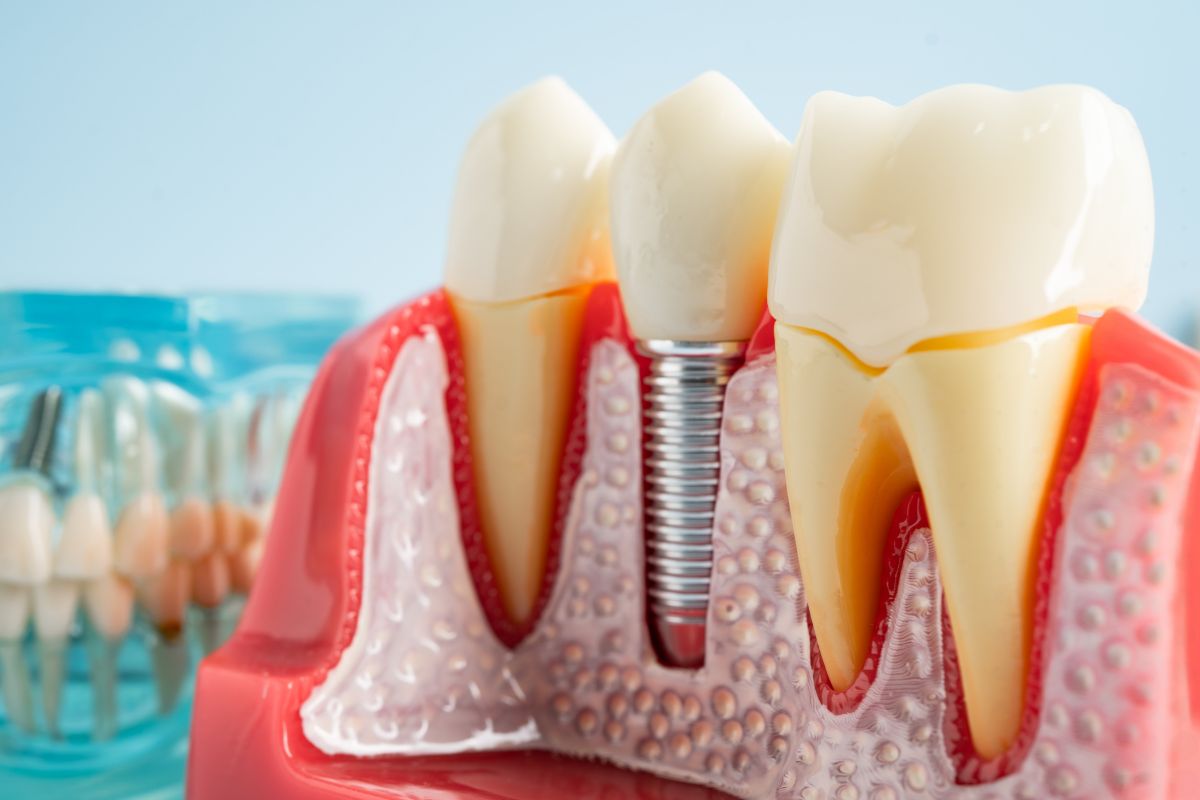
Traditional dentures can replace missing teeth, but some people find them uncomfortable or difficult to keep stable. Dental implants offer another approach because they use implant posts placed in the jaw to support replacement teeth.
For some older adults, implants can provide a stable foundation for a crown, bridge, or denture.
Common Reasons Older Adults Explore Implants
Seniors may consider implant-supported tooth replacement because they want to:
- Replace one or more missing teeth
- Improve chewing ability
- Support clearer speech
- Reduce movement associated with some dentures
- Restore the appearance of their smile
- Support a more natural-feeling tooth replacement
- Replace older or uncomfortable dental restorations
The best option depends on your oral health and personal goals.
Is There an Age Limit for Dental Implants?
There is no universal upper age limit for implants. A healthy person in their 70s, 80s, or beyond may qualify for treatment if their oral and general health support the procedure.
At Sierra Dental & Orthodontics, dental implants for seniors may be considered based on individual needs rather than age alone. The practice provides implant dentistry as part of its restorative services in Denver, including its Tennyson and River North locations.
Instead of asking, “Am I too old?” it can be more useful to ask, “Is my health suitable for implant treatment?”
That question allows your dental provider to evaluate the factors that actually influence treatment.
What Determines Implant Candidacy?
Several factors can affect whether an older adult qualifies for implants. Your dental provider will consider your complete situation before recommending treatment.
1. Your Jawbone Health
Dental implants need adequate bone support. After tooth loss, the jawbone can gradually lose density because it no longer receives stimulation from natural tooth roots.
If you have experienced significant bone loss, your provider may discuss additional procedures that can improve the available foundation.
In some cases, bone grafting can help prepare the area for implant placement. However, not every patient needs a graft.
2. Your Gum Health
Healthy gums provide important support for your teeth and oral structures. Active gum disease can affect the tissues around an implant and may increase the risk of complications.
Therefore, your provider may recommend treating gum problems before moving forward with implant placement.
Maintaining good oral hygiene after treatment also matters. Daily brushing, cleaning between teeth, and regular dental visits can help protect your gums and implant-supported restoration.
3. Your General Health
Your overall health can influence healing. Certain medical conditions may require additional planning before implant treatment.
Your dental provider may ask about:
- Current medications
- Previous surgeries
- Chronic health conditions
- Healing concerns
- Smoking or tobacco use
- Recent medical treatment
- Previous dental procedures
Be open about your medical history. This information helps your dental team plan treatment safely and determine whether additional precautions may be necessary.
Does Bone Loss Mean You Cannot Get Implants?
Not necessarily.
Bone loss occurs naturally after tooth loss, and older adults may have more extensive bone changes simply because they have lived without teeth for a longer period.
However, modern implant dentistry offers several ways to evaluate and manage reduced bone volume.
Your provider may use dental imaging to examine the available bone and determine whether it can support an implant. If the area lacks sufficient bone, your provider may discuss bone grafting or another approach.
Therefore, do not assume that years of missing teeth automatically rule out implants.
What If You Have Worn Dentures for Years?
Many seniors have used removable dentures for a long time. If you are tired of dealing with slipping, discomfort, or difficulty chewing, you may wonder whether implants remain an option.
In some cases, implants can support dentures and improve stability. Instead of relying entirely on suction or adhesive, an implant-supported restoration can attach to strategically placed implants.
This approach may provide greater stability during everyday activities such as eating and speaking.
Your provider can explain whether an implant-supported denture or another solution fits your oral anatomy and goals.
Are Implants Better Than Dentures for Seniors?
There is no single tooth replacement option that works best for everyone.
Implants can offer stability and a more fixed feel, but they require a surgical procedure and adequate healing. Dentures, on the other hand, may provide a simpler solution for some patients.
When comparing options, consider:
- Your overall health
- Your jawbone condition
- Your gum health
- Your budget
- Your ability to maintain oral hygiene
- Your treatment preferences
- The number of teeth you need to replace
- Your desired level of stability
A dental consultation can help you understand the advantages and limitations of each option.
How Does the Implant Process Work?
The process can vary depending on the number of teeth you need to replace and your oral health.
Step 1: Comprehensive Evaluation
Your provider examines your mouth and reviews your dental and medical history. Dental imaging may help evaluate the jawbone and surrounding structures.
Step 2: Personalized Treatment Planning
If you qualify, your dental team develops a treatment plan based on your needs. If you need gum treatment or bone preparation first, your provider can explain those steps.
Step 3: Implant Placement
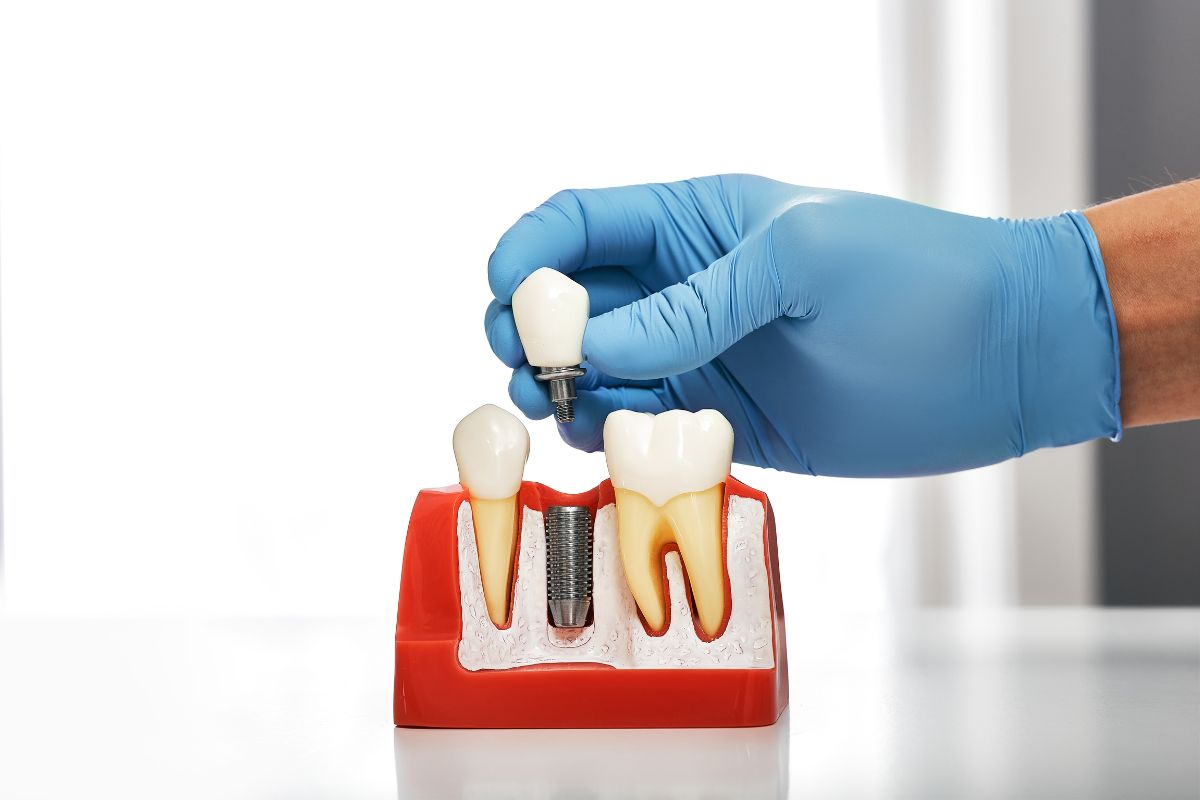
The provider places the implant post into the jawbone. The area then needs time to heal and allow the implant to integrate with the surrounding bone.
Step 4: Restoration
After healing, your provider can attach a dental crown, bridge, or implant-supported denture, depending on your treatment plan.
The entire process may take several months for some patients. Your provider can give you a more accurate timeline after evaluating your situation.
What Can Seniors Expect During Recovery?
Recovery varies from one person to another. Your age can influence healing, but it does not automatically determine the outcome.
Your dental team may recommend temporary changes to your diet while the area heals. You may also need to follow specific instructions for cleaning the area and protecting the implant.
Follow your provider’s instructions carefully.
Contact your dental team if you experience unusual pain, persistent swelling, bleeding, or another concern after treatment.
Ways to Support Healing
You can support your recovery by:
- Following post-treatment instructions
- Keeping the area clean as directed
- Eating recommended foods during early healing
- Avoiding tobacco products
- Taking medications exactly as prescribed
- Attending follow-up appointments
- Reporting unusual symptoms promptly
Good communication with your dental team can make the recovery process easier.
How Long Can Dental Implants Last?
Implants can provide long-term tooth replacement when patients maintain good oral hygiene and receive appropriate professional care. However, no restoration lasts forever, and individual results vary.
The implant itself and the visible restoration have different considerations. The crown, bridge, or denture attached to an implant may eventually need repair or replacement because of normal wear.
You can help protect your investment by caring for your teeth and gums every day.
Long-Term Implant Care
After treatment, maintain habits such as:
- Brush twice a day.
- Clean between your teeth daily.
- Follow your provider’s instructions for cleaning around implants.
- Attend routine dental examinations.
- Schedule professional cleanings as recommended.
- Avoid using your teeth to open packages or bite hard objects.
- Tell your provider if your bite or restoration feels different.
Consistent care can help support the health of your gums and surrounding structures.
What Questions Should Seniors Ask Before Treatment?
A consultation provides an opportunity to understand your choices before making a decision.
Consider asking:
- Am I a good candidate for implants?
- Do I have enough jawbone?
- Do I need a bone graft?
- Are my gums healthy enough for treatment?
- What type of restoration would work for me?
- How long might the process take?
- What should I expect during recovery?
- What other tooth replacement options should I consider?
- How should I care for my implants after treatment?
Writing down your questions before the appointment can help you remember what you want to discuss.
When Might Another Option Make More Sense?
Implants may not suit every patient. Your dental provider may recommend another solution if your health, bone condition, oral hygiene, or other factors make implant placement unsuitable.
For example, some people may benefit from conventional dentures, bridges, or other restorative options.
The goal should not be to choose the most advanced treatment simply because it exists. Instead, the goal is to select an option that fits your health, lifestyle, comfort, and long-term needs.
Do Not Let Age Stop You From Asking
Many older adults assume that they have missed their opportunity for implant treatment because they lost their teeth years ago. However, age alone does not tell the whole story.
An evaluation can provide answers based on your actual oral condition.
Even if you do not qualify for implants immediately, your dental provider can explain whether another treatment could improve your comfort and function. In some cases, preparing the mouth first may make future treatment possible.
Therefore, asking questions is often the best first step.
Final Thoughts
Dental implants for seniors can provide a long-term tooth replacement option for many older adults. The decision comes down to jawbone health, gum condition, overall health, oral hygiene, and personal treatment goals — not age. What matters most is an honest look at your current oral health and what you want from a replacement option, whether that’s implants, dentures, or another approach. Every mouth heals and ages differently, which is exactly why individual evaluation, not a birthday, is what determines candidacy.