When it comes to fixing minor chips, gaps, or discoloration, many people consider Do It Yourself Dental Bonding (DIY dental bonding) as a cheaper and quicker alternative to professional treatment. While the idea of improving your smile at home sounds tempting, it’s important to understand what dental bonding really involves—and the risks of doing it yourself. Before you reach for a bonding kit, take a closer look at what dentists recommend and what you should know to make a safe and informed decision.
What Is Dental Bonding and Why Do People Try It Themselves?
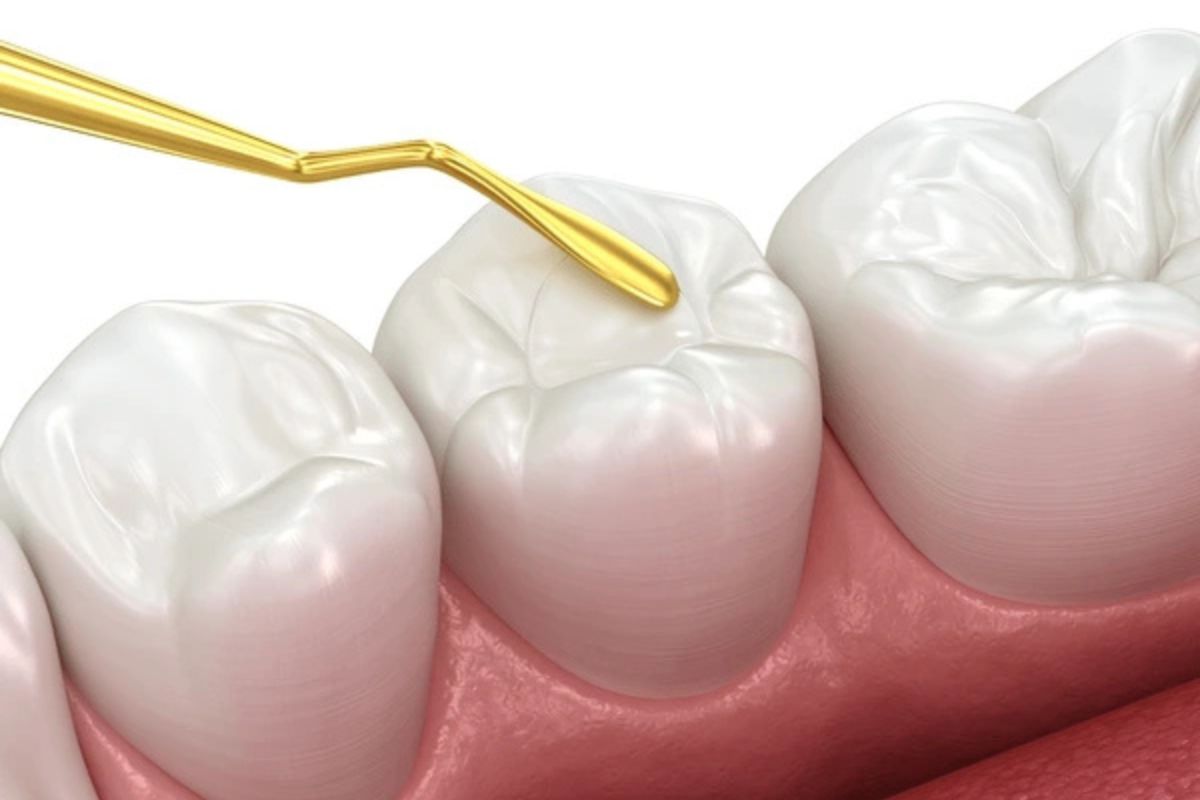
Dental bonding is a cosmetic procedure where a tooth-colored resin is applied to improve the appearance of teeth. Dentists use this technique to fix:
- Chipped or cracked teeth
- Small gaps between teeth
- Stains or discoloration
- Uneven or misshapen teeth
Because professional bonding can be costly, some people look for at-home alternatives. DIY dental bonding kits claim to offer similar results at a lower price. These kits typically include a resin-like material and instructions for self-application. However, what looks simple online can be far more complicated in practice.
How Professional Dental Bonding Works
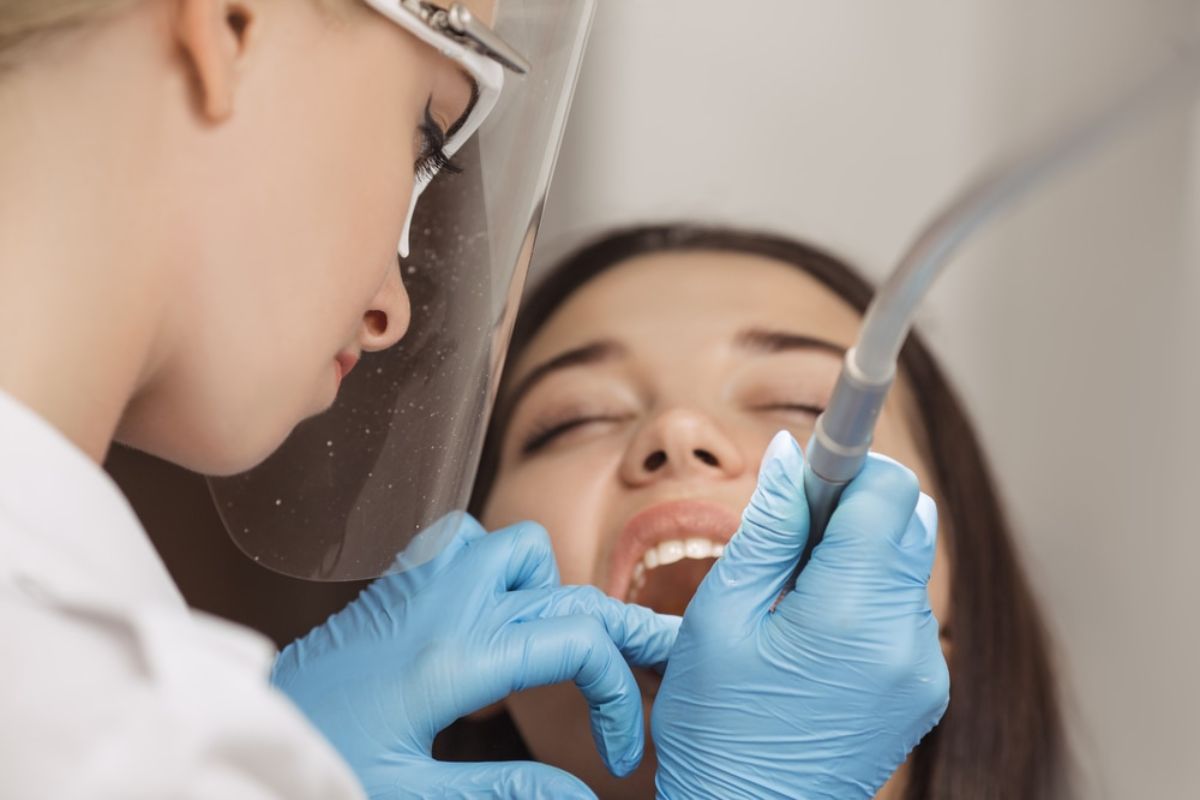
In a professional setting, dental bonding involves several careful steps:
- Surface preparation: The dentist slightly roughens the tooth surface and applies a conditioning liquid.
- Resin application: A tooth-colored composite resin is shaped and smoothed to match your natural tooth.
- Curing process: A special light hardens the resin for a strong, lasting bond.
- Final polishing: The dentist refines the shape and shine for a natural look.
Each step requires precision and experience. A professional will ensure that the material bonds securely without affecting your bite or tooth structure.
At Sierra Dental & Orthodontics, our cosmetic specialists use high-quality materials designed to last and match the natural shade of your enamel. If you are considering enhancing your smile with dental bonding, it’s always best to seek expert care rather than taking the DIY route.
The Hidden Risks of Do It Yourself Dental Bonding
While it may seem convenient, Do It Yourself Dental Bonding carries several risks that can cause long-term harm to your teeth and gums.
1. Poor Material Quality
Most at-home kits use cheaper resins that are not as durable or safe as the ones used by dental professionals. These materials may stain easily or wear down quickly.
2. Lack of Precision
Dental bonding requires exact shaping and placement. Without proper training, you might apply too much or too little material, resulting in uneven teeth or discomfort when biting.
3. Damage to Tooth Enamel
The process of bonding involves preparing the tooth surface. Doing this incorrectly can permanently damage your enamel, leading to sensitivity or cavities.
4. Infection Risks
Improper sterilization or sealing can trap bacteria between the resin and your tooth. This can lead to gum infection, decay, or even tooth loss over time.
5. Short-Term Results
Even if your DIY attempt looks good initially, the results often don’t last. Professional bonding can last 5–10 years with proper care, while home kits may wear off within months.
Why Professional Bonding Is a Safer Option
Choosing professional dental care ensures safety, quality, and long-term results. Dentists use medical-grade materials that blend perfectly with your teeth. They also make sure your bite alignment stays natural.
Some additional benefits include:
- Custom color matching for a natural finish
- Durable and stain-resistant materials
- Professional tools for smooth shaping and curing
- Long-lasting results with routine care
Dentists can also identify hidden dental issues before treatment. This ensures that bonding enhances your smile without causing other complications.
When to Consider DIY Dental Bonding (If Ever)
While dentists don’t recommend doing bonding yourself, some people might consider it for temporary cosmetic fixes. If you choose this route, keep these points in mind:
- Only use FDA-approved materials.
- Follow all safety instructions carefully.
- Avoid applying resin to damaged, decayed, or sensitive teeth.
- Treat it as a short-term solution, not a permanent fix.
Still, the safest and most effective option remains professional treatment.
What to Do Instead of DIY Dental Bonding
If you’re unhappy with your smile but hesitant about the cost, talk to your dentist about alternatives. Many clinics, including Sierra Dental & Orthodontics, offer flexible payment options and affordable cosmetic plans. Other cosmetic treatments such as veneers, whitening, or contouring might suit your needs better.
Remember, improving your smile is not just about looks—it’s about maintaining healthy teeth for years to come.
Choose Safety Over Shortcuts
While Do It Yourself Dental Bonding might seem like an easy fix, the potential risks far outweigh the short-term benefits. Professional bonding not only ensures safety but also delivers a natural, durable, and confident smile.
Your oral health is worth protecting. Avoid the dangers of at-home kits and trust professionals who have the right tools, experience, and training.
To restore your smile safely and beautifully, visit our dental office in Tennyson or River North. At Sierra Dental & Orthodontics, we specialize in cosmetic procedures that bring out the best in your smile. Schedule your appointment today and experience the difference that professional care makes!