If you’re wondering whether teeth whitening strips work, you are definitely not alone. Many first-time users feel curious yet unsure before trying them. These strips promise a brighter smile at home, but the real question is how effective and safe they are. In this complete guide, I will break everything down in simple terms so you can make a decision with confidence—especially if you live in Denver and want results you can trust.
What Are Teeth Whitening Strips?
Whitening strips are thin, flexible plastic strips coated with a whitening gel. You place them directly on the front surface of your teeth for a set amount of time each day. Most brands recommend daily use for one to two weeks.
They appeal to beginners because they are:
- Easy to use at home
- Widely available in stores and online
- More affordable than in-office options
Because of this convenience, many people try strips as their first step toward a brighter smile.
How Do Whitening Strips Actually Work?
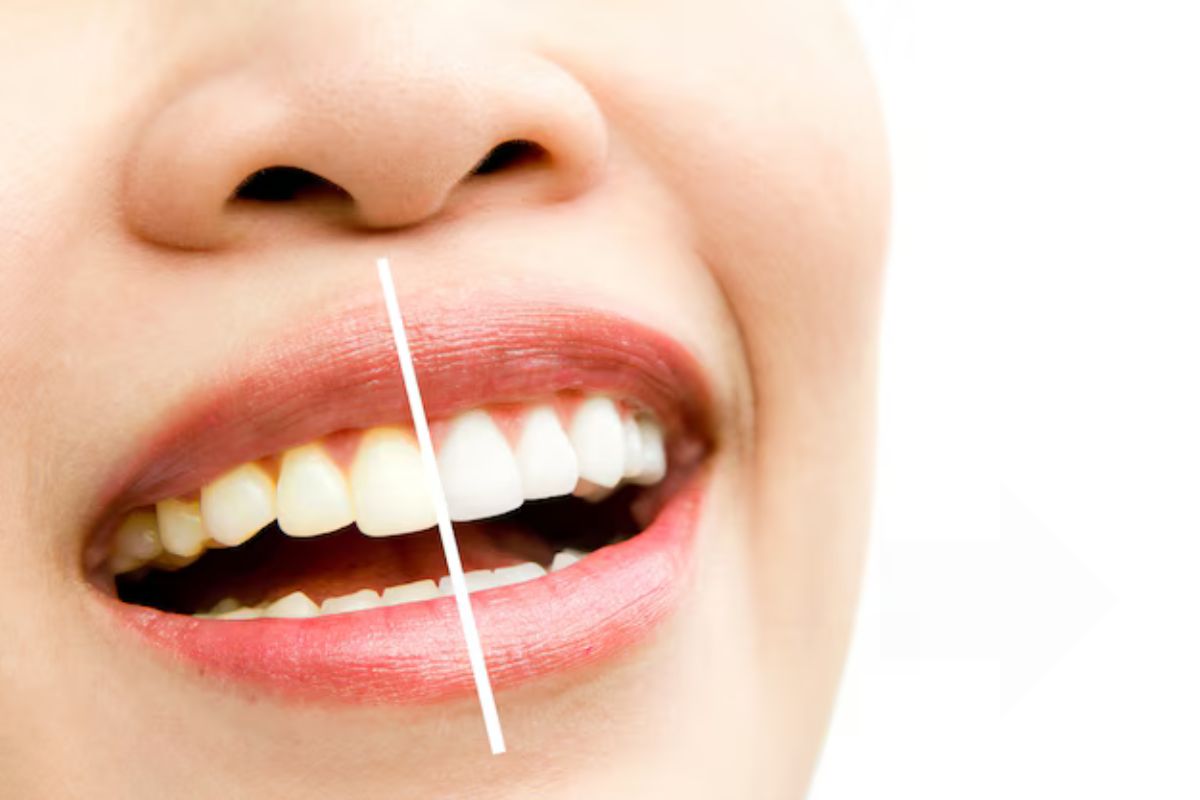
To understand whether teeth whitening strips work, it helps to know how they function. The gel on the strip usually contains peroxide-based ingredients. These ingredients break down stains caused by food, drinks, smoking, and aging.
When applied correctly:
- The gel penetrates surface stains
- Color pigments begin to fade gradually
- Teeth appear lighter after several uses
However, results depend on consistency, stain type, and overall oral health.
Do Teeth Whitening Strips Work for Everyone?
The short answer is yes—but with limits. Whitening strips work best on surface stains caused by coffee, tea, red wine, or soda. They may not be as effective on deep internal discoloration.
This is where professional teeth whitening becomes relevant. In my personalized consultations in Denver, I often explain to patients that strips can improve mild to moderate staining, but stronger treatments may be needed for dramatic results. At Sierra Dental & Orthodontics, we help patients choose options that match their smile goals and tooth sensitivity level.
Benefits of Using Whitening Strips
For first-time users, strips offer several clear advantages. When used as directed, they can deliver noticeable improvement.
Key benefits include:
- Simple application process
- Gradual, natural-looking results
- Lower cost compared to in-office treatments
- Minimal time commitment per day
Because of these benefits, many people feel encouraged to try them before exploring more advanced options.
Common Side Effects You Should Know
Although many users ask if teeth whitening strips work, they should also ask if they feel comfortable. Mild sensitivity ranks as the most common side effect.
You may notice:
- Temporary tooth sensitivity
- Slight gum irritation if the strips touch the gums
- Tingling during or after use
To reduce discomfort, you can shorten the time you wear them or use them every other day. If sensitivity persists, stop use and consult a dentist.
Tips for First-Time Users to Get Better Results
If you want the best outcome, correct usage matters just as much as the product itself.
Helpful tips:
- Brush and dry your teeth before application
- Avoid eating or drinking during treatment time
- Follow the recommended schedule strictly
- Do not use for longer than instructed
Consistency improves results, while overuse increases sensitivity without added benefits.
Whitening Strips vs. Other Whitening Options
Strips are only one option. Comparing them with others helps set realistic expectations.
Whitening strips:
- Best for mild to moderate stains
- Affordable and accessible
- Slower results
In-office treatments:
- Faster and more noticeable results
- Supervised for safety
- Higher cost but longer-lasting
If you want quick results for an event, professional options may suit you better. Still, strips remain a good starting point.
Are Whitening Strips Safe for Long-Term Use?
When used occasionally and as directed, strips are generally safe. Problems usually arise from overuse or ignoring sensitivity signs. Dentists recommend spacing treatments and avoiding constant whitening cycles.
In Denver, patients often ask me how often they should whiten. I suggest using strips no more than a few times per year unless advised otherwise by a dental professional.
When to See a Dentist Instead
If strips do not deliver the results you expect, do not feel discouraged. Deep stains, uneven color, or sensitivity issues may signal the need for professional care.
You should consider a dental visit if:
- Results appear uneven
- Sensitivity lasts more than a few days
- You want faster, more dramatic improvement
A personalized evaluation ensures safety and effectiveness.
Are Whitening Strips Worth Trying?
So, do teeth whitening strips work for first-time users? Yes, they can brighten your smile safely when used correctly and with realistic expectations. They offer a convenient starting point, especially for mild staining. However, they do not replace professional care when deeper discoloration exists.
If you want guidance tailored to your smile goals, I encourage you to visit our dental office at Sierra Dental & Orthodontics in Tennyson or River North in Denver to explore the best whitening solution for you and take the next step toward a confident, brighter smile.