Visiting the dentist for the first time can be both exciting and a bit nerve-wracking. Whether you’re a child experiencing this for the first time or an adult seeking a new dental provider, knowing what to expect can help ease any anxiety. In this guide, we’ll walk you through each step of your first dental visit, ensuring you feel prepared and informed.
Before Your Appointment
Before your visit, your dental office will likely ask you to fill out some forms. These forms typically include your medical history, insurance information, and any specific concerns you have about your oral health. If you’re visiting the dentist , be sure to discuss any relevant medical history or dental issues they may have experienced.
Make sure to arrive a little early to complete any paperwork. This allows you to relax and get accustomed to the environment before your appointment begins.
The Check-In Process
When you arrive at the dental office, check in at the front desk. The receptionist will confirm your appointment and may ask for your identification and insurance card. This step is crucial for ensuring that your insurance covers the services you’ll receive.
If you have any questions about your insurance coverage, don’t hesitate to ask the receptionist. They can assist you with the process and clarify any questions you may have.
The Initial Examination
Once you check-in, a dental assistant or hygienist will call you into the examination room. They’ll lead you to a comfortable dental chair and give you a bib to protect your clothing. The dental assistant may take your vital signs, like blood pressure and heart rate, to ensure you’re healthy before any procedures begin.
After this, the dentist will come in to introduce themselves and discuss your dental history. They’ll ask about any specific concerns or problems you may have. Be open about your dental habits, and any discomfort, or anxiety you might feel. This information helps the dentist tailor your care to meet your needs.
X-Rays
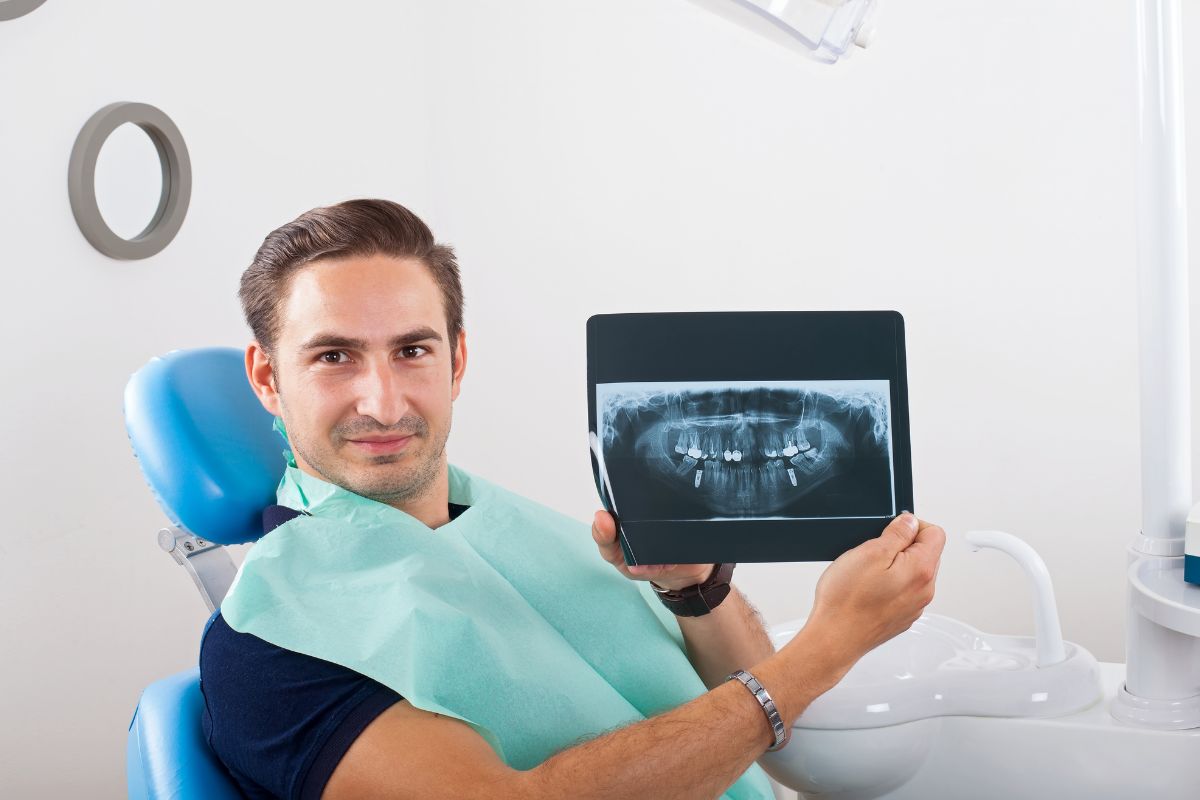
In many cases, your dentist in River North will take X-rays during your first visit. X-rays help identify any hidden issues like cavities, gum disease, or misalignment. Don’t worry; the process is quick and painless. The dental staff will place a lead apron over you to protect your body from radiation exposure. They’ll then position the X-ray machine, which usually only takes a few moments.
Cleaning Your Teeth
After the examination and X-rays, a dental hygienist will perform a thorough cleaning of your teeth. They will use specialized tools to remove plaque and tartar buildup, polish your teeth, and floss between them. This cleaning helps prevent cavities and gum disease.
The hygienist may also provide tips on proper brushing and flossing techniques to help you maintain good oral hygiene at home. Ask questions about your daily dental care routine or any specific concerns you have about your teeth.
Consultation and Treatment Plan
Following the cleaning, the dentist will return to discuss their findings. They’ll explain any issues they discovered and recommend treatment options. If you have cavities, gum disease, or other concerns, the dentist will outline a treatment plan tailored to your needs.
This is your opportunity to ask questions. If you’re unsure about a particular treatment or need clarification on any terms, don’t hesitate to speak up. A good dentist will be happy to explain everything in detail.
Next Steps
If your first visit goes smoothly, the dentist will schedule any necessary follow-up appointments. They’ll also recommend when you should return for your next routine check-up, typically every six months. Regular visits help ensure your oral health remains on track.
Your first visit to the dentist sets the stage for your future oral health care. Knowing what to expect can help alleviate any anxiety and make the experience more enjoyable. Remember, the goal of dental visits is not only to treat existing issues but also to prevent future problems. By maintaining open communication with your dental team, you can establish a long-term relationship that promotes optimal oral health. So, take a deep breath, and get ready for a healthier smile!