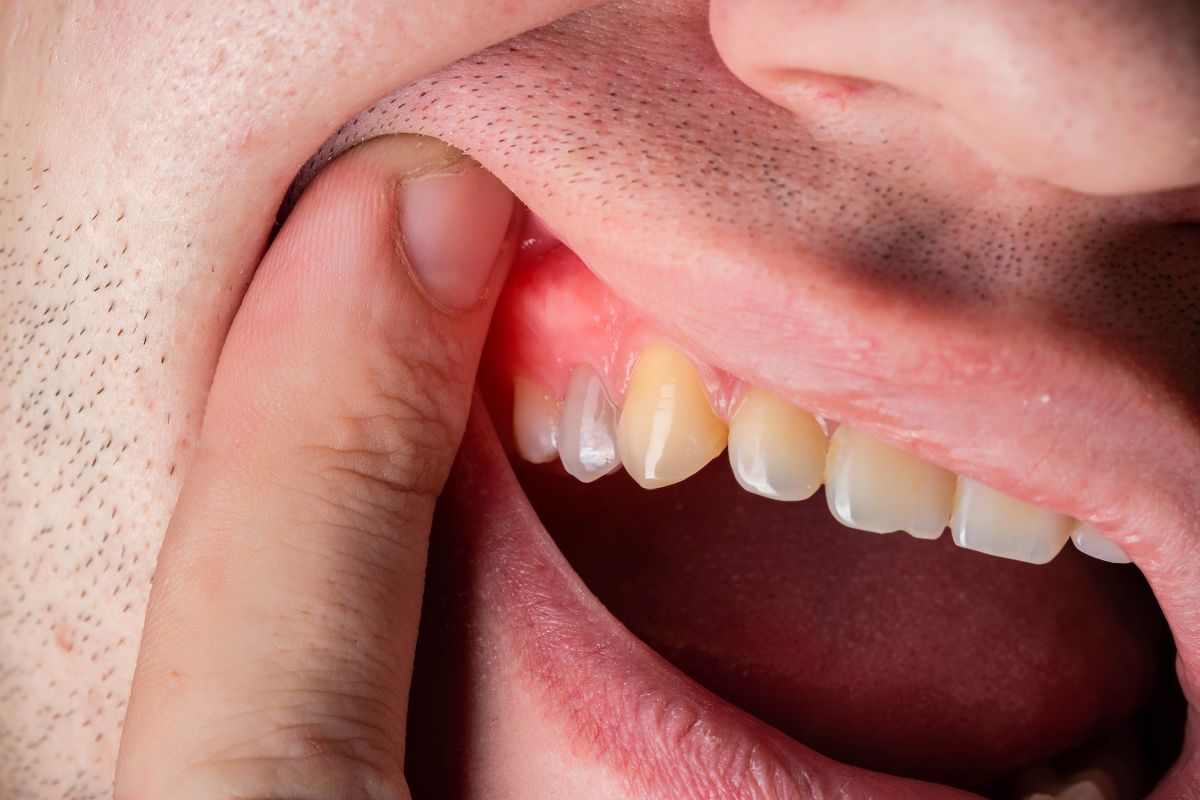
Gum disease and loose teeth are closely connected because advanced gum disease can damage the tissues and bone that hold your teeth in place. If a tooth feels loose, your gums bleed often, or your breath remains unpleasant despite brushing, you should take these changes seriously.
At Sierra Dental & Orthodontics in Denver, patients can learn about gum health, preventive care, and treatment options for periodontal problems. Although loose teeth can have several causes, gum disease is an important one to investigate.
Healthy gums fit closely around your teeth and help protect the roots. Beneath the gums, bone and connective tissues provide additional support.
However, gum disease can gradually damage these structures. As the damage progresses, teeth may become loose, shift position, or eventually fall out without treatment.
The good news is that early diagnosis and appropriate care can help control gum disease and protect the teeth you still have.
How Does Gum Disease Lead to Loose Teeth?
Gum disease usually begins when plaque builds up around the teeth and gumline. Plaque is a sticky film of bacteria that forms throughout the day.
When you brush and clean between your teeth, you remove much of this film. However, plaque that remains can harden into tartar, which professional dental cleaning must remove.
From Gingivitis to Periodontitis
Gum disease often develops in stages.
Gingivitis: This early stage causes red, swollen, or bleeding gums. At this point, the condition has not caused the bone loss associated with periodontitis. With proper care, gingivitis can often be reversed.
Periodontitis: If gum inflammation continues, the disease may progress and damage the tissues supporting the teeth. Pockets can form between the gums and teeth, allowing bacteria to collect below the gumline.
Over time, the supporting bone may break down. Consequently, the teeth can lose stability.
Advanced periodontitis may cause teeth to move, spread apart, or become loose. In severe cases, tooth loss can occur.
If you need guidance about your symptoms, a Denver dentist can assess your gum health and help determine whether periodontal treatment is necessary.
Warning Signs of Gum Disease
Gum disease does not always cause pain in its early stages. Therefore, you should not wait for discomfort before seeking care.
Watch for these common warning signs.
1. Bleeding Gums
If your gums bleed while brushing or flossing, inflammation may be present.
Occasional bleeding can have other causes, but repeated bleeding deserves attention. Do not simply stop cleaning the area because it bleeds. Instead, use a gentle technique and arrange a dental assessment.
2. Red or Swollen Gums
Healthy gums generally look firm and fit closely around the teeth.
However, inflamed gums may appear red, puffy, or tender. You might also notice that your gums bleed more easily than usual.
3. Persistent Bad Breath
Bacteria associated with gum disease can contribute to ongoing bad breath or an unpleasant taste in your mouth.
Although food, dry mouth, and other conditions can also cause bad breath, persistent symptoms may indicate an oral health problem.
4. Receding Gums
When gum tissue pulls away from the teeth, more of the roots become exposed.
As a result, your teeth may look longer than before. You might also experience sensitivity to hot or cold foods and drinks.
5. Changes in Your Bite
Advanced gum disease can affect the support around your teeth.
Consequently, you may notice that your teeth fit together differently when you bite. Some teeth may shift, develop spaces, or feel different when chewing.
6. Loose Teeth
A permanent tooth should not become loose without a reason.
If you notice movement, arrange an examination promptly. Trauma, grinding, infections, and other dental conditions can also cause looseness, so a dentist needs to identify the cause.
What Should You Do If Your Tooth Feels Loose?
First, avoid repeatedly moving the tooth with your fingers or tongue. Constant pressure may irritate the surrounding tissues.
Next, arrange a dental appointment as soon as possible. A loose permanent tooth may indicate damage that requires prompt treatment.
In the meantime, take steps to protect the area:
- Eat softer foods if chewing causes discomfort.
- Avoid biting hard foods with the affected tooth.
- Brush gently with a soft-bristled toothbrush.
- Clean between your teeth carefully.
- Avoid smoking or using tobacco.
- Do not attempt to glue, tighten, or reposition the tooth yourself.
If the looseness follows an injury, seek urgent dental care. Sudden movement, severe pain, swelling, or signs of infection also warrant prompt assessment.
Importantly, home remedies cannot repair the bone damage caused by advanced periodontal disease.
How Do Dentists Diagnose Gum Disease?
A dental examination helps determine whether gum disease is responsible for loose teeth.
Your provider will review your symptoms, medical history, and oral hygiene habits. They may also ask about smoking, diabetes, medications, and previous gum problems.
Measuring Gum Pockets
A dentist or hygienist may use a small periodontal probe to measure the spaces between your teeth and gums.
Deeper pockets can indicate periodontal disease, especially when other signs of inflammation or tissue damage are present.
Checking Tooth Movement
Your dentist may examine how firmly each tooth sits in its socket. They will also look for shifting, changes in your bite, and other signs of reduced support.
Taking Dental X-Rays
X-rays can help reveal bone loss around the teeth. These images provide important information about the severity of periodontal disease and help guide treatment planning.
After examining your mouth, your dentist can explain the findings and recommend the next steps.
Treatment Options for Gum Disease and Loose Teeth
Treatment depends on how advanced the disease is and how much support your teeth have lost.
The goal is to control infection, reduce inflammation, protect the remaining bone, and preserve your natural teeth whenever possible.
1. Professional Dental Cleaning
For gingivitis and some early gum problems, professional cleaning may be enough to remove plaque and tartar.
Your dental team can also review your brushing and flossing technique to help prevent future buildup.
2. Scaling and Root Planing
When gum disease affects the tissues below the gumline, your dentist may recommend scaling and root planing.
This deep-cleaning procedure removes plaque and tartar from periodontal pockets and smooths the root surfaces.
As the gums heal, inflammation may decrease and the tissues may fit more closely around the teeth. However, this treatment cannot restore all bone already lost to advanced disease.
3. Periodontal Maintenance
After treatment, regular periodontal maintenance helps keep the condition under control.
Your dentist may recommend more frequent cleanings than the standard six-month schedule, depending on your needs.
Consistent home care remains essential because gum disease can return if plaque accumulates.
4. Procedures for Advanced Disease
Some patients need periodontal surgery or other specialist treatment to address deep pockets or damaged tissues.
A periodontist may recommend procedures that allow better access to affected roots or help rebuild certain supporting structures in suitable cases.
However, regenerative procedures do not work for every type of bone defect.
5. Stabilizing a Loose Tooth
In selected cases, a dentist may use a splint to connect a loose tooth to nearby teeth for additional support.
This approach does not treat the underlying gum disease by itself. Therefore, your provider must also address the cause of the looseness.
If a tooth has lost too much support, extraction may be necessary. Your dentist can discuss replacement options if that happens.
How Can You Prevent Gum Disease and Tooth Loss?
Daily oral care plays a major role in preventing gum disease.
Build these habits into your routine:
- Brush twice daily with fluoride toothpaste.
- Clean between your teeth every day.
- Schedule regular dental examinations and professional cleanings.
- Avoid tobacco products.
- Eat a balanced diet.
- Manage diabetes with help from your healthcare team.
- Tell your dentist about medications and medical conditions.
- Seek care when bleeding or swelling persists.
Also, do not assume that brushing harder will clean your teeth better. Aggressive brushing can irritate the gums and contribute to recession.
Instead, focus on gentle, thorough cleaning and consistent preventive care.
According to the National Institute of Dental and Craniofacial Research, gum disease can affect the tissues supporting your teeth. Learning the warning signs can help you seek care before the condition becomes more severe.
Conclusion: Protect Your Natural Teeth With Early Treatment
Gum disease can cause loose teeth when inflammation and infection damage the tissues and bone that support them. However, early treatment can help control the disease, while ongoing care can reduce the risk of further damage.
Bleeding gums, persistent bad breath, receding gums, and tooth movement all deserve attention. The sooner you identify the cause, the better your chances of protecting your oral health.
Sierra Dental & Orthodontics welcomes patients throughout Denver, with offices in River North and Tennyson. Choose whichever location is most convenient for you to discuss your gum health and treatment needs.
Schedule your dental appointment with Sierra Dental & Orthodontics and get guidance on protecting your teeth and gums.