Digital X-rays have changed the way dental teams examine teeth, gums, and the structures beneath the surface. At Sierra Dental & Orthodontics in Denver, with offices serving Tennyson and River North, modern imaging can help the dental team identify concerns that may not appear during a regular visual examination.
A healthy-looking smile does not always tell the complete story. Cavities can develop between teeth, infections can form around tooth roots, and changes in the jawbone may remain hidden. Therefore, dental imaging gives providers another important source of information when evaluating oral health.
Unlike older film-based images, digital imaging offers a convenient way to capture, view, store, and share dental images. More importantly, these images can support a more complete understanding of your oral health and help your provider plan appropriate care.
What Are Digital X-Rays?
Digital X-rays are dental images captured with electronic sensors rather than traditional photographic film. The sensor records an image of the teeth and surrounding structures, which the dental team can then view on a computer or other screen.
Because the image appears electronically, your dental team can often review it quickly during your appointment.
These images may show areas that are difficult or impossible to see during a standard visual examination.
What Can Dental Imaging Show?
Depending on the type of image, your dental provider may examine:
- Tooth roots
- Jawbone structure
- Areas between teeth
- Developing teeth
- Bone levels around teeth
- Signs of tooth decay
- Certain infections
- Impacted teeth
- Changes around existing dental work
- Other abnormalities that require further evaluation
The exact type of image your provider recommends depends on your symptoms, dental history, age, and treatment needs.
Why Digital Imaging Matters for a Denver Dentist
For patients visiting a Denver dentist, digital X-rays can provide useful information that supports a more complete examination. Sierra Dental & Orthodontics uses modern dental technology as part of its approach to diagnosis and treatment planning at its Denver locations, including Tennyson and River North.
The goal is not to take images simply because they are available. Instead, your dental team considers your individual situation and determines whether imaging can provide information that supports your care.
This approach helps connect the information from your examination, dental history, symptoms, and imaging.
How Digital X-Rays Help Detect Dental Problems
One of the biggest advantages of dental imaging is its ability to reveal problems that may remain hidden.
For example, a cavity between two teeth may not be easy to see during a visual examination. An image can give the provider a better view of that area.
Similarly, an infection near a tooth root may not always cause obvious symptoms during its early stages. Imaging can help your dental team investigate concerns when symptoms, examination findings, or dental history suggest that additional information could help.
Problems That May Require Imaging
Your provider may use dental images to evaluate concerns such as:
- Suspected cavities
- Tooth or root infections
- Bone loss
- Impacted teeth
- Tooth development
- Dental injuries
- Changes in existing restorations
- Jaw-related concerns
However, an X-ray does not replace a complete dental examination. Your provider considers all available information before recommending treatment.
Digital X-Rays and Treatment Planning
Finding a dental problem is only the first step. Your provider also needs to understand the extent and location of the concern before developing an appropriate treatment plan.
Digital imaging can help with this process.
For example, if a tooth has a suspected infection, an image may help the dental team evaluate the area around the root. If a patient needs restorative treatment, imaging may provide additional information about the tooth and surrounding structures.
How Imaging Supports Treatment Decisions
Your dental provider may use an image to help:
- Identify the location of a dental concern.
- Evaluate the surrounding structures.
- Understand the extent of the problem.
- Compare current findings with previous images when appropriate.
- Determine whether additional evaluation is necessary.
- Develop a treatment approach based on the available information.
This process can make treatment planning more informed and personalized.
What Makes Digital Imaging Different From Traditional Film?
Traditional dental X-rays use film to capture images. Digital systems use electronic sensors instead.
That difference can improve convenience during the dental visit.
Faster Image Viewing
Digital images can appear on a computer screen shortly after the sensor captures them. This means the dental team does not need to wait for film to develop.
As a result, your provider can often review the image during the same appointment.
Easier Storage
Digital images can become part of your electronic dental records. This makes it easier for the dental team to access previous images when they need to compare changes over time.
Keeping organized records can be especially helpful when you receive ongoing dental care.
Easier Communication
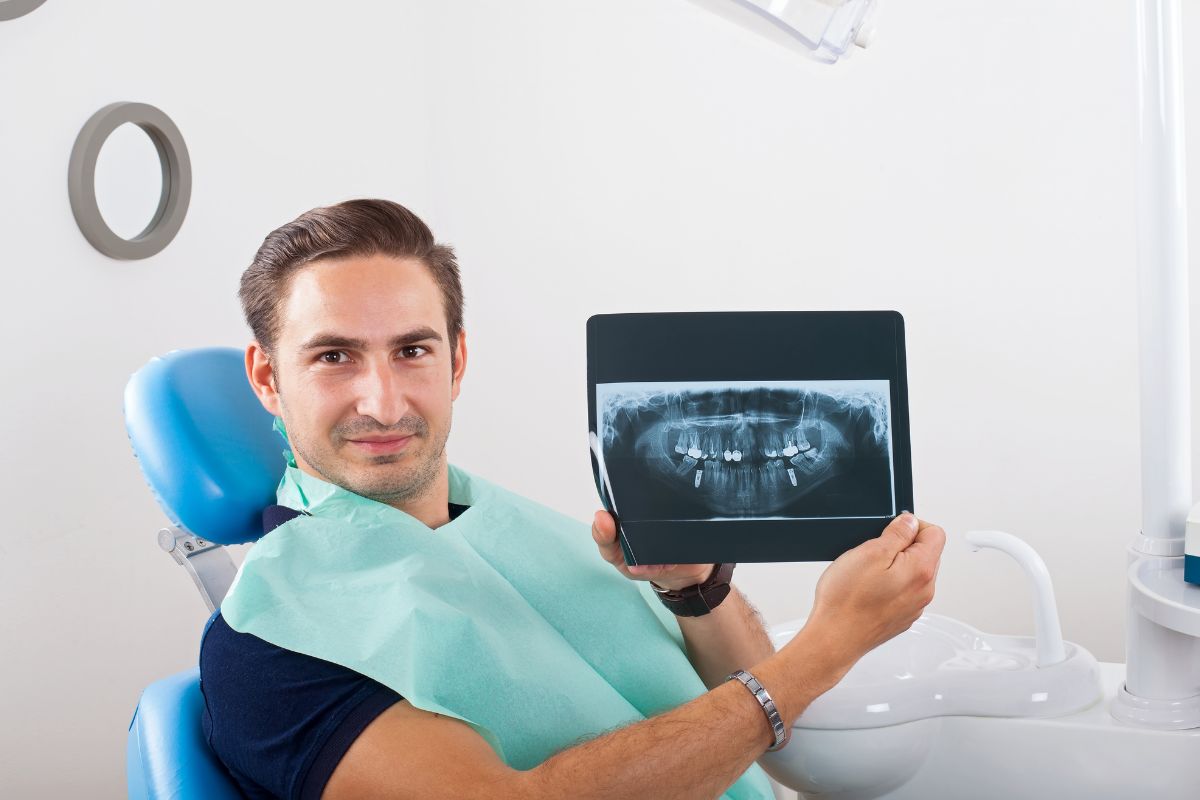
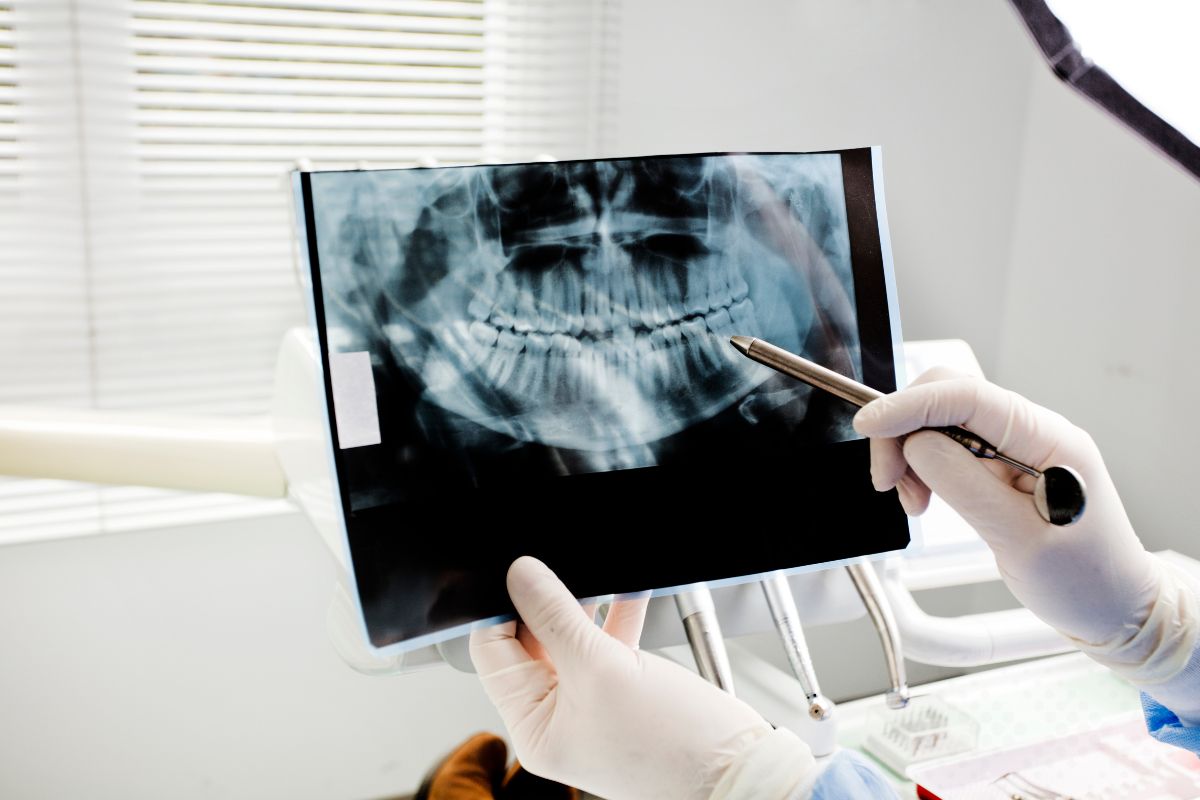
Digital images can also make it easier for dental professionals to discuss findings with patients. Your provider can display an image on a screen and point out areas that may require attention.
Seeing an image yourself can sometimes make a dental recommendation easier to understand.
Can Digital X-Rays Help Find Cavities?
Yes, dental imaging can support the detection of certain cavities, particularly those in areas that are difficult to examine visually.
For instance, decay between teeth can sometimes remain hidden because the neighboring teeth block direct visibility.
However, your dentist does not rely on imaging alone. A complete examination may include visual inspection, a review of your dental history, and questions about symptoms.
Why Early Detection Matters
When a dental problem appears small, treatment may be more straightforward than when the condition progresses.
For example, early identification of decay can allow your dental provider to discuss appropriate treatment before the problem becomes more extensive.
This does not mean every abnormal finding requires immediate treatment. Instead, your provider evaluates the image alongside other clinical information.
How Digital Imaging Supports Preventive Dentistry
Preventive dental care focuses on maintaining oral health and identifying potential problems before they become more serious.
Regular examinations allow your dental team to monitor your teeth and gums. When appropriate, imaging can provide additional information that a visual examination cannot provide.
However, you may not need an X-ray at every visit.
Your dental provider determines when imaging makes sense based on factors such as:
- Your age
- Dental history
- Current symptoms
- Previous dental findings
- Risk of tooth decay
- Existing restorations
- Signs of gum or bone changes
- Specific treatment needs
This personalized approach helps ensure that imaging serves a clear clinical purpose.
Digital X-Rays Can Support Different Types of Dental Care
Dental imaging can play a role in many areas of oral healthcare.
General Dentistry
Routine dental care may involve imaging when your provider needs additional information about tooth decay, roots, bone, or other hidden structures.
Restorative Dentistry
If you need a filling, crown, bridge, or another restoration, imaging may help your provider evaluate the affected tooth and surrounding area.
Emergency Dentistry
After certain dental injuries or when a patient experiences unexplained pain, imaging may help the provider investigate what could be happening beneath the surface.
Orthodontic Care
Orthodontic treatment often requires careful evaluation of tooth position and supporting structures. Depending on the patient’s needs, imaging can provide information that supports treatment planning.
Implant Planning
Patients considering tooth replacement may require detailed evaluation of the jawbone and surrounding anatomy. Your dental team can determine which imaging method is appropriate for your specific situation.
Are Digital X-Rays Safe?
Dental X-rays use ionizing radiation, so dental professionals take appropriate precautions and only recommend imaging when they believe it can provide useful information.
Modern dental imaging systems can use relatively small amounts of radiation. Your dental team also follows established safety practices designed to minimize unnecessary exposure.
If you are pregnant, think you may be pregnant, or have another health-related concern about imaging, tell your dental provider before the procedure.
Why Your Dental History Matters
Your dental records can help your provider decide whether a new image is necessary.
For example, if a recent image already provides the information needed for a particular concern, your provider may not need another one. On the other hand, new symptoms or changes may justify additional imaging.
Therefore, always tell your dental team about recent dental care or images taken elsewhere.
What Should You Expect During a Digital X-Ray?
The process is usually straightforward.
Your dental team will position a small sensor in your mouth and ask you to hold it in place while the image is captured. Depending on the type of image, you may need to sit or stand in a particular position.
The sensor may feel slightly uncomfortable for some people, especially if your mouth is sensitive. However, the process itself is generally quick.
Your provider may take several images from different angles when necessary.
After the Images Are Taken
Once the images are available, your dental team can review them alongside your examination findings.
Your provider may explain:
- What the image shows
- Whether any areas need attention
- Whether additional imaging could help
- What treatment options may exist
- Whether monitoring is appropriate
Do not hesitate to ask questions if you do not understand something on the screen.
Questions to Ask Your Dental Provider
If your provider recommends dental imaging, you can ask:
- Why do I need this image?
- What area will the image examine?
- What are you looking for?
- Have I had a similar image recently?
- Will this image affect my treatment plan?
- Are there alternatives?
- How often might I need this type of imaging?
Understanding why your provider recommends an X-ray can make the process feel more comfortable and transparent.
How Patients Can Prepare for Their Appointment
Most patients do not need extensive preparation for routine dental imaging. Still, a few simple steps can help your appointment go smoothly.
Before your visit:
- Tell your dental team about any recent X-rays.
- Mention pregnancy or a possible pregnancy.
- Bring information about previous dental treatment when appropriate.
- Tell your provider about new pain or sensitivity.
- Ask questions about the recommended imaging.
- Follow any instructions provided by your dental team.
Good communication helps your provider make better-informed decisions about your care.
Why People-First Dental Care Still Matters
Technology can make dental diagnosis more efficient, but it should support patient care rather than replace professional judgment.
A high-quality dental experience combines appropriate technology with careful examination, communication, and personalized treatment planning.
At Sierra Dental & Orthodontics, modern technology can support the dental team’s evaluation while the provider considers each patient’s unique oral health needs.
That combination can help patients better understand their oral health and the reasoning behind recommended treatments.
Final Thoughts
Digital X-rays give dental professionals a closer look at areas that may remain hidden during a routine visual examination. They can help identify certain dental problems, evaluate surrounding structures, and support more informed treatment planning.
The technology also offers practical benefits, including quick image viewing, convenient digital storage, and easier communication between patients and dental professionals. However, your dental provider determines when imaging makes sense based on your individual needs and clinical findings.
For patients seeking dental care in Denver, Sierra Dental & Orthodontics offers modern dental services at its Tennyson and River North locations. If you want to learn more about the practice and its locations, you can visit our dental office on Google Maps.
Schedule your appointment with Sierra Dental & Orthodontics in Denver at Tennyson or River North to discuss your oral health needs and learn whether digital imaging can support your care.