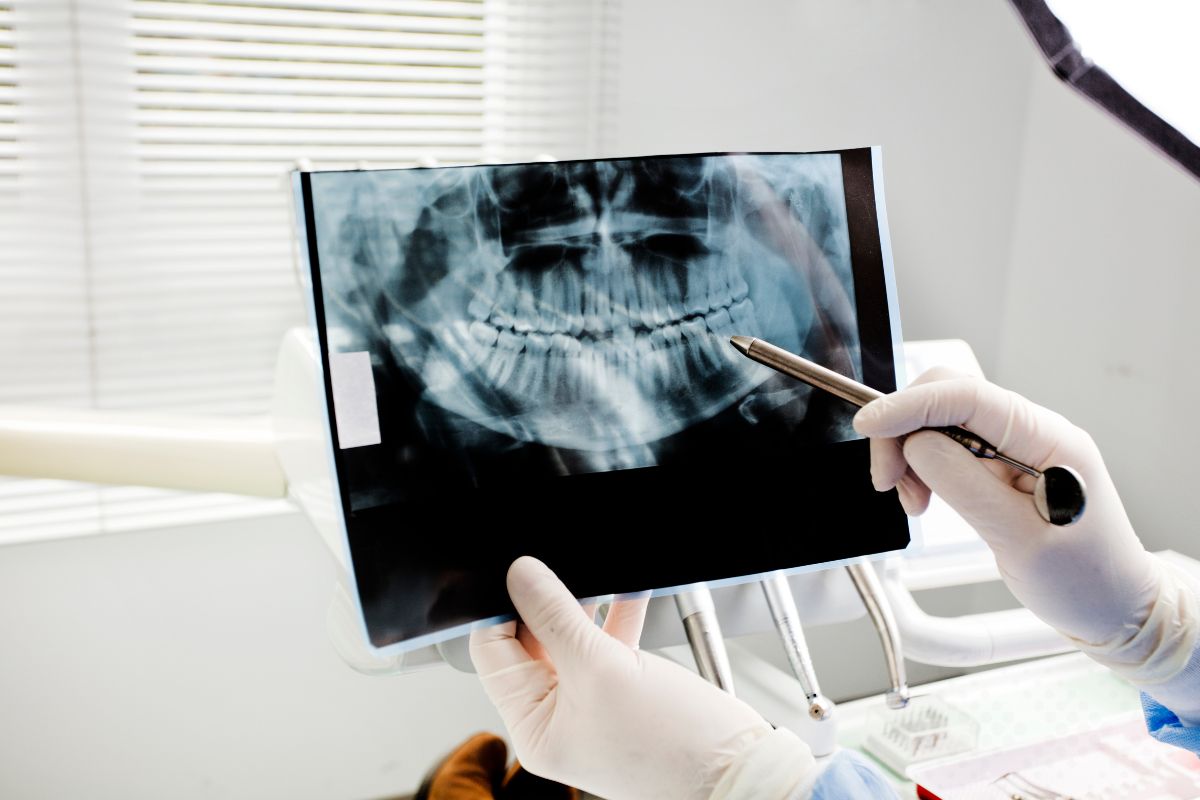
Your smile deserves consistent attention, and routine exams and digital X-rays play an important role in keeping your teeth and gums healthy before small concerns become bigger problems. At Sierra Dental & Orthodontics in Denver, many patients discover that preventive care helps them avoid discomfort, complex procedures, and unexpected dental costs.
Why Early Detection Matters for Your Oral Health
Many dental problems begin quietly. A cavity may start between two teeth without causing pain. Gum disease often develops with mild symptoms that many people overlook. Even a cracked tooth can remain unnoticed until it causes severe discomfort.
This is why regular preventive care makes such a difference. When your dentist identifies concerns in their earliest stages, treatment often becomes easier, faster, and more comfortable. Instead of waiting for pain to appear, you stay one step ahead of dental problems.
Early detection can help identify:
- Small cavities before they become larger
- Early signs of gum disease
- Bone loss around teeth
- Developing infections
- Tooth fractures
- Changes in existing fillings or crowns
- Impacted teeth
- Abnormal growth or other oral health concerns
Because many dental issues develop slowly, regular appointments give your dental team the opportunity to monitor changes over time.
How Routine Exams and Digital X-Rays Work Together
A visual examination provides valuable information, but not every problem appears on the surface. Routine exams and digital X-rays allow your dentist to evaluate areas that cannot be seen during a standard inspection.
During your appointment, your dentist examines your:
- Teeth
- Gums
- Bite alignment
- Existing dental work
- Tongue
- Soft tissues
- Jaw health
Right after this evaluation, imaging helps reveal hidden concerns beneath the gumline or between teeth.
If you are looking for the best dental care in Denver, Sierra Dental & Orthodontics combines personalized preventive care with modern diagnostic technology to help detect concerns before they become more difficult to treat. This approach allows you to make informed decisions while protecting your long-term oral health.
Hidden Problems That a Visual Exam May Miss
Even healthy-looking teeth may have issues developing beneath the surface.
Modern dental imaging can reveal:
- Cavities between teeth
- Early infection near tooth roots
- Bone changes
- Impacted wisdom teeth
- Damage under existing crowns
- Small cracks that require monitoring
Finding these concerns early often means simpler treatment and better long-term results.
Benefits of Digital Imaging Compared to Traditional Methods
Dental technology has improved significantly over the years. Today’s imaging systems offer several advantages for both patients and dentists.
Faster Results
Images appear within seconds, allowing your dentist to explain findings during the same appointment.
Better Image Quality
High-quality images make it easier to identify very small changes that may otherwise remain unnoticed.
More Comfortable Experience
The imaging process is generally quicker and more comfortable than older techniques.
Easier Progress Tracking
Your dentist can compare current images with previous ones to monitor changes and evaluate your oral health over time.
Because of these advantages, routine exams and digital X-rays have become an important part of preventive dental care for patients of every age.
What Problems Can Be Found Before They Cause Pain?
Pain usually appears after a dental problem has already progressed. Preventive care focuses on finding issues before discomfort begins.
Small Cavities
Tiny cavities can often receive conservative treatment before they grow deeper.
Early Gum Disease
Swollen gums, bleeding, and bone changes can develop gradually. Detecting these signs early helps protect your teeth and supporting structures.
Bone Loss
Changes in jawbone support may not produce symptoms immediately. Early detection allows timely intervention.
Tooth Infections
Infections may begin deep inside a tooth before noticeable pain develops.
Changes Around Dental Restorations
Older fillings, crowns, and bridges can wear down over time. Regular monitoring helps prevent future complications.
When your dentist identifies these concerns early, treatment usually requires less time and helps preserve more of your natural tooth structure.
How Often Should You Schedule Preventive Dental Exams?
Most people benefit from regular dental examinations every six months. However, your dentist may recommend a different schedule depending on your oral health.
You may need more frequent appointments if you have:
- Gum disease
- Frequent cavities
- Diabetes
- A history of extensive dental treatment
- Dry mouth
- Tobacco use
- Orthodontic treatment
Your dentist creates a schedule based on your individual needs instead of using the same plan for everyone.
Why Preventive Care Saves Time and Money
Many people postpone dental appointments because they believe nothing feels wrong. Unfortunately, delaying preventive care often leads to more extensive treatment later.
For example:
- A small cavity may eventually require a crown.
- An untreated infection could lead to root canal treatment.
- Mild gum disease can progress into advanced periodontal disease.
- A minor crack may eventually result in a broken tooth.
Regular preventive appointments help reduce the chances of these larger problems developing.
What to Expect During Your Appointment
Many patients appreciate knowing exactly what happens during a preventive dental appointment.
A typical appointment may include:
- Review of your medical and dental history
- Professional cleaning, when appropriate
- Complete examination of teeth and gums
- Routine exams and digital X-rays if recommended
- Review of the findings
- Personalized recommendations for home care
- Discussion of any treatment if necessary
The entire process focuses on keeping your smile healthy while identifying concerns before they become serious.
Tips to Keep Your Smile Healthy Between Dental Visits
Professional care works best when combined with healthy daily habits.
You can protect your oral health by:
- Brushing twice each day
- Flossing daily
- Drinking plenty of water
- Limiting sugary snacks and beverages
- Wearing a mouthguard during sports
- Avoiding tobacco products
- Following your dentist’s recommendations
These habits, together with routine exams and digital X-rays, provide strong protection against many common dental problems.
Why Preventive Dentistry Benefits Every Age
Preventive dental care supports children, teens, adults, and seniors alike.
Children benefit from monitoring developing teeth.
Teenagers receive guidance as wisdom teeth begin to develop.
Adults can detect cavities, gum disease, and worn dental restorations before complications occur.
Older adults benefit from monitoring bone health, existing dental work, and age-related oral changes.
No matter your age, prevention remains one of the smartest investments you can make for your smile.
Healthy smiles rarely happen by chance. Consistent preventive care allows your dentist to identify concerns before they become painful, expensive, or difficult to treat. Routine exams and digital X-rays help uncover hidden issues, support accurate diagnosis, and give you greater confidence in your oral health.
If you are ready to protect your smile, schedule an appointment with Sierra Dental & Orthodontics to receive personalized preventive care that supports your long-term oral health.