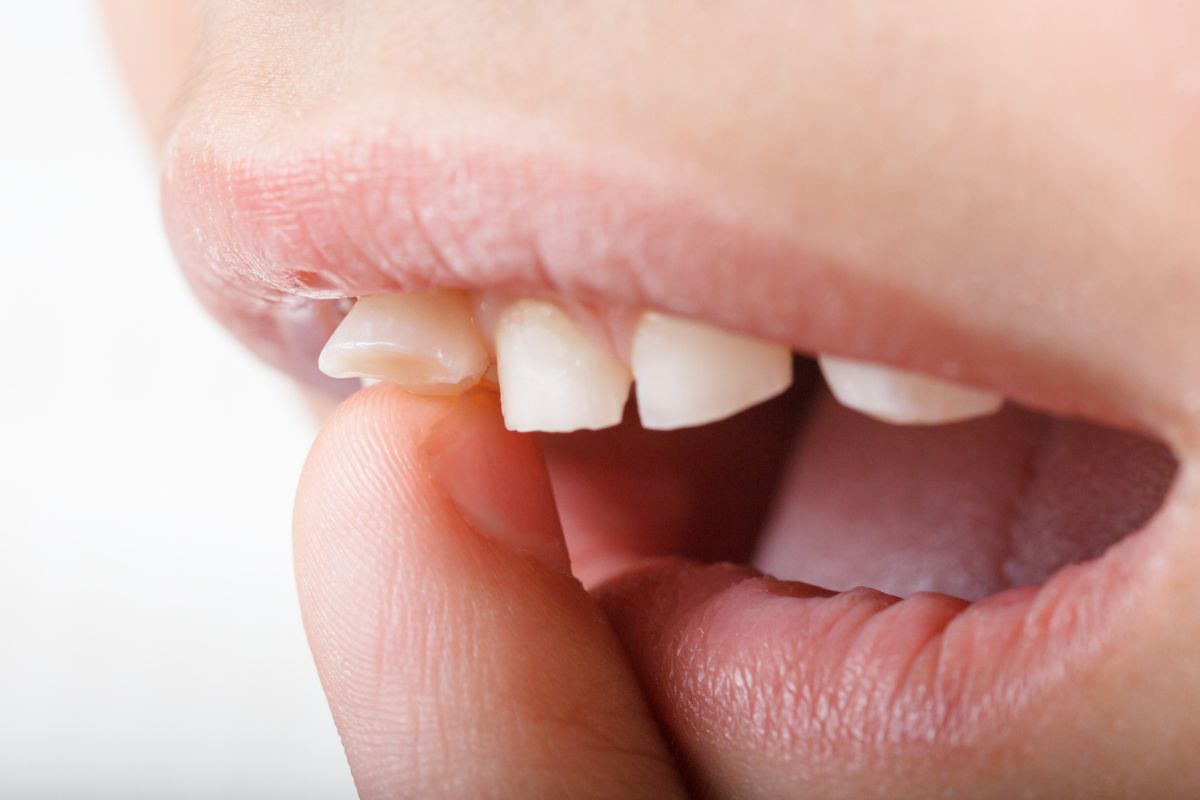
Experiencing loose teeth in adults can feel stressful and confusing, especially when you expect your permanent teeth to last a lifetime. If you notice even a slight movement, it’s important to act early. At Sierra Dental & Orthodontics, many patients from River North and Tennyson visit with this concern, and timely care often helps save natural teeth.
Understanding why this happens and how to prevent it can protect your smile and overall oral health.
What Does It Mean When Adult Teeth Become Loose?
Adult teeth stay firmly anchored in the jawbone with the help of gums, ligaments, and bone structure. When any of these supporting elements weaken, teeth may begin to shift.
Common signs include:
- Teeth that feel unstable
- Pain or discomfort while chewing
- Swollen or red gums
- Gum recession
- Persistent bad breath
These symptoms often develop gradually. That’s why paying attention to early warning signs can help you avoid serious complications.
Main Causes of Loose Teeth in Adults
Several factors can lead to this issue. Identifying the root cause is the first step toward effective treatment.
1. Gum Disease (Periodontal Disease)
Gum disease is one of the most common causes of loose teeth in adults.
- Plaque buildup irritates the gums
- Infection spreads below the gum line
- Bone supporting the teeth begins to break down
Over time, this process weakens the foundation that holds your teeth in place.
2. Poor Oral Hygiene
When oral care habits are inconsistent, bacteria accumulate quickly.
- Plaque hardens into tartar
- Gums become inflamed
- Tooth support weakens
As a result, neglecting daily hygiene can significantly increase the risk of dental problems.
Personalized Dental Insights
If you are in Denver and dealing with loose teeth in adults, an experienced dentist can evaluate your condition and guide you toward the right solution. At Sierra Dental & Orthodontics, patients from River North and Tennyson receive personalized care plans that focus on saving natural teeth and improving long-term oral health.
3. Injury or Trauma
Physical impact can damage the tissues and bone that support your teeth.
- Sports injuries
- Accidents or falls
- Biting down on hard objects
Even if the damage seems minor at first, it may lead to instability over time.
4. Teeth Grinding (Bruxism)
Grinding or clenching your teeth places excessive pressure on them.
- Weakens the tooth structure
- Damages supporting ligaments
- Leads to gradual movement
Nighttime grinding often goes unnoticed, which makes it a hidden risk.
5. Bone Loss and Osteoporosis
Bone health plays a key role in dental stability.
- Reduced bone density weakens jaw support
- Teeth may shift or feel unstable
This condition often affects older adults, but can impact others as well.
6. Hormonal Changes
Hormonal fluctuations can increase gum sensitivity.
- Pregnancy
- Menopause
These changes may make the gums more vulnerable to inflammation and weakening.
7. Smoking and Tobacco Use
Tobacco use negatively affects oral health.
- Reduces blood flow to the gums
- Slows healing
- Increases risk of gum disease
As a result, long-term use can contribute to tooth instability.
Treatment Options for Loose Teeth
The right treatment depends on the severity and cause of the condition. Acting early improves the chances of saving your teeth.
1. Deep Cleaning (Scaling and Root Planing)
This procedure removes plaque and tartar from below the gum line.
- Reduces infection
- Helps gums reattach to teeth
- Improves stability
2. Gum Disease Therapy
Advanced cases may require specialized treatment.
- Antibiotic treatment
- Laser therapy
- Surgical procedures in severe cases
3. Dental Splinting
Dentists may stabilize affected teeth by bonding them to nearby teeth.
- Provides support during healing
- Prevents further movement
4. Night Guards for Grinding
If grinding is causing the problem, a custom night guard can help.
- Protects teeth from pressure
- Reduces further damage
5. Lifestyle Adjustments
Healthy habits support recovery and prevention.
- Eat calcium-rich foods
- Avoid tobacco products
- Stay hydrated
Preventive Dental Care Tips
Preventing loose teeth in adults starts with consistent care and awareness.
Daily habits:
- Brush twice a day with a soft-bristled toothbrush
- Floss daily to remove plaque
- Use mouthwash to control bacteria
Long-term strategies:
- Schedule regular dental checkups
- Address gum issues early
- Wear protective gear during sports
- Manage stress to reduce teeth grinding
By following these steps, you can maintain strong teeth and healthy gums.
When Should You See a Dentist?
You should seek professional care if you notice:
- A tooth that feels loose or unstable
- Pain while chewing
- Swollen or bleeding gums
- Changes in tooth alignment
Early diagnosis helps prevent more serious dental complications.
Why Early Action Matters
Taking action early offers several important benefits:
- Helps preserve natural teeth
- Reduces the need for complex treatments
- Maintain your smile and confidence
- Supports overall health
Therefore, addressing dental concerns quickly can save both time and discomfort.
Dealing with loose teeth in adults can be concerning, but with the right knowledge and care, you can manage and even prevent this condition. Understanding the causes—such as gum disease, injury, or lifestyle habits—allows you to take proactive steps. With proper oral hygiene, regular dental visits, and timely treatment, you can protect your smile for years to come.
If you are experiencing tooth movement and need expert care, Sierra Dental & Orthodontics is here to help. Schedule your appointment at our River North or Tennyson dental office and receive personalized treatment designed to restore your dental health.