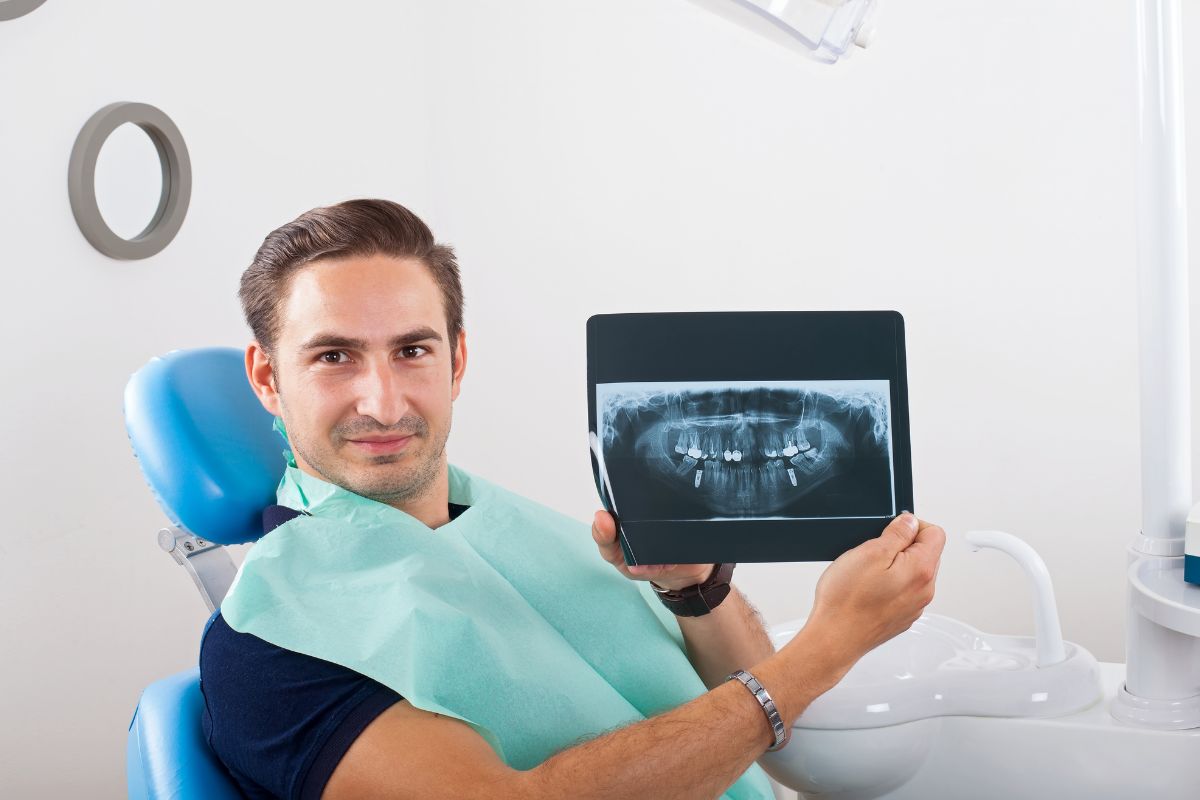
Tooth extraction vs. saving the tooth is one of the most important decisions a dentist makes during a dental emergency. When severe pain, infection, or trauma affects a tooth, quick treatment can protect your oral health and relieve discomfort. At Sierra Dental & Orthodontics in Denver, with convenient offices in River North and Tennyson, our team carefully evaluates every situation before recommending treatment. Whenever possible, we aim to preserve your natural tooth because it often provides the best long-term outcome. However, there are times when removing a tooth is the safest and healthiest option.
Why This Decision Matters
A natural tooth plays an important role in your smile, bite, and overall oral health. Losing a tooth can affect chewing, speech, and the alignment of nearby teeth. That is why dentists usually consider every reasonable option before recommending an extraction.
Still, delaying necessary treatment can allow an infection or injury to become worse. Making the right decision at the right time helps protect both your smile and your overall health.
Several factors influence whether a tooth can be saved, including:
- The extent of the damage
- The location of the tooth
- The health of the surrounding bone and gums
- The presence of infection
- Your overall oral health
- Your long-term treatment goals
What Happens During an Emergency Dental Evaluation?
When you arrive with a dental emergency, your dentist completes a thorough examination before recommending treatment.
The evaluation often includes:
- A discussion about your symptoms
- A visual examination
- Digital X-rays
- Testing the tooth’s condition
- Evaluating surrounding gums and bone
- Reviewing your medical and dental history
Every emergency is unique, so treatment recommendations are always based on your individual needs.
If you are confused about tooth extraction and saving the tooth in Denver, our experience dentist at Sierra Dental & Orthodontics carefully evaluates every case using advanced technology and personalized treatment planning. With modern dental care available at both our River North and Tennyson locations, we focus on preserving healthy natural teeth whenever possible while recommending extraction only when it provides the safest long-term solution.
When Saving the Tooth Is Usually the Best Option
Dentists generally try to preserve natural teeth whenever they remain healthy enough to function properly.
Saving the tooth often helps:
- Maintain your natural bite
- Preserve jawbone strength
- Keep neighboring teeth stable
- Avoid unnecessary tooth replacement
- Support long-term oral health
Several treatments may allow a damaged tooth to remain in place.
Root Canal Therapy
If infection reaches the inside of the tooth but the outer structure remains strong, root canal treatment can remove the infection while preserving the natural tooth.
Many people believe root canals are painful, but modern techniques make the procedure much more comfortable than in the past.
Dental Crowns
When a large cavity or fracture weakens a tooth, a custom crown can restore strength and function.
Crowns completely cover the damaged tooth, allowing it to continue functioning normally.
Dental Fillings
Smaller areas of decay often respond well to fillings.
Treating cavities early increases the chances of saving the tooth before extensive damage develops.
Bonding or Repair
Minor chips and fractures may require only cosmetic or restorative bonding.
Early treatment often prevents additional damage.
When Tooth Extraction Becomes Necessary
Although preserving natural teeth remains the preferred goal, some situations make extraction the healthier option.
Severe Tooth Decay
If decay destroys too much of the tooth, restoration may no longer be possible.
Removing the tooth helps eliminate infection and protects nearby teeth.
Advanced Infection
An untreated infection can spread into surrounding bone and tissues.
If infection cannot be controlled through other treatment, extraction may become necessary.
Significant Tooth Fractures
Some fractures extend below the gumline or split the tooth completely.
Unfortunately, these types of cracks often cannot be repaired successfully.
Advanced Gum Disease
Periodontal disease can weaken the bone supporting a tooth.
If the tooth becomes excessively loose, extraction may provide the best long-term outcome.
Impacted Teeth
Certain wisdom teeth or impacted teeth create pain, infection, or damage to neighboring teeth.
In these situations, extraction often protects overall oral health.
Factors Dentists Consider Before Making the Decision
Choosing between preservation and extraction requires careful evaluation.
Your dentist considers several important questions.
Can the Tooth Be Restored?
If enough healthy tooth structure remains, restorative treatment may offer an excellent prognosis.
Is the Infection Manageable?
Localized infections often respond well to root canal treatment.
However, widespread infection may require extraction to protect your health.
What Is the Long-Term Prognosis?
Dentists recommend treatment that provides lasting stability rather than a temporary solution.
Sometimes saving a severely damaged tooth may lead to repeated procedures without long-term success.
What Does the Patient Prefer?
Patient preferences also matter.
Your dentist explains the available options, benefits, possible risks, and expected outcomes before creating a treatment plan.
Benefits of Saving a Natural Tooth
Whenever possible, preserving your natural tooth offers many advantages.
These include:
- Better chewing efficiency
- Natural appearance
- Stable bite alignment
- Preservation of jawbone
- Lower risk of neighboring teeth shifting
- Long-term comfort
Modern restorative dentistry allows many damaged teeth to function successfully for years.
Benefits of Tooth Extraction When Needed
Although losing a tooth is never the first choice, extraction sometimes provides important health benefits.
These include:
- Immediate removal of infection
- Relief from severe pain
- Prevention of additional damage
- Better preparation for tooth replacement
- Protection of surrounding teeth
When extraction becomes necessary, your dentist also discusses replacement options such as dental implants, bridges, or partial dentures.
What Happens After an Extraction?
Healing usually begins immediately after the procedure.
Most patients receive instructions that include:
- Biting gently on gauze
- Avoiding smoking
- Eating soft foods
- Keeping the area clean
- Following medication instructions
- Returning for follow-up visits if needed
Careful aftercare supports faster healing and reduces complications.
Can Emergency Dental Care Prevent Extractions?
In many situations, yes.
Seeking treatment quickly often allows dentists to save teeth that might otherwise require removal.
Contact a dentist promptly if you notice:
- Severe tooth pain
- Swelling
- A broken tooth
- A knocked-out tooth
- Persistent sensitivity
- Signs of infection
Early care frequently improves treatment options.
Tips to Protect Your Teeth From Emergencies
Although accidents cannot always be prevented, healthy habits reduce your risk.
Consider these recommendations:
- Brush twice daily.
- Floss every day.
- Wear a mouthguard during sports.
- Avoid chewing ice.
- Do not use your teeth to open packages.
- Schedule regular dental checkups.
Preventive care remains one of the best ways to avoid emergency treatment.
Deciding between tooth extraction or saving the tooth requires careful evaluation, advanced diagnostics, and personalized care. While preserving a natural tooth is often the preferred option, extraction sometimes provides the healthiest solution for preventing further complications. At Sierra Dental & Orthodontics, our experienced team is committed to helping you understand every treatment option and recommending the approach that best supports your long-term oral health. If you are experiencing a dental emergency, schedule your appointment today at our Denver office in River North or Tennyson and receive prompt, compassionate care when you need it most.