Understanding the arch in dental implants is important if you are planning full-mouth restoration or looking for a long-term solution to missing teeth. Many patients hear the word “arch” during consultations but are unsure what it means. This guide simplifies the concept so you can confidently make the right decision for your smile.
What Does “Arch” Mean in Dentistry?
In dentistry, the word “arch” refers to the curved shape of your teeth—either the upper jaw (maxillary arch) or the lower jaw (mandibular arch). These arches hold your teeth in place and support your bite, speech, and facial structure.
When we talk about an arch in treatment, we simply mean:
Are we restoring the upper teeth, the lower teeth, or both?
Why the Term Matters
The word “arch” matters because it helps your dentist decide:
- How many teeth need replacement
- What type of restoration will work best
- Whether implants should support the entire arch or replace teeth individually
- The final look and strength of your bite
Knowing this makes the implant process easier to understand.
Types of Arches in Implant Dentistry
Before choosing a treatment, your dentist will evaluate whether you need a single-arch restoration or a full-arch restoration, which will help determine the best approach for your arch in dental implants plan.
1. Single-Arch Restoration
A single-arch restoration focuses on only one set of teeth—either the upper or lower. It is often chosen when:
- One jaw has more missing or damaged teeth
- Only one arch affects your chewing
- You want a step-by-step smile makeover
2. Full-Arch Restoration
A full-arch restoration replaces every tooth in either the upper or lower jaw. Patients usually pick this when:
- Several teeth are missing
- Dentures no longer feel comfortable
- They want a fixed, natural-looking smile
Just after understanding these types, I want to personalize this information for you. At Sierra Dental & Orthodontics, many patients come asking whether they need a single arch or a full arch. We guide them through the process so they feel calm, confident, and well-informed before choosing their preferred dental implants treatment plan.
How an Arch in Implant Treatment Actually Works
Restoring an arch is a multi-step process designed to give you stability, comfort, and beautiful aesthetics. Here’s a simple breakdown:
1. Evaluation of Jawbone and Teeth
Your dentist checks:
- Bone density
- Gum health
- Existing teeth
- Bite structure
This helps determine the number of implants needed for the arch.
2. Implant Placement
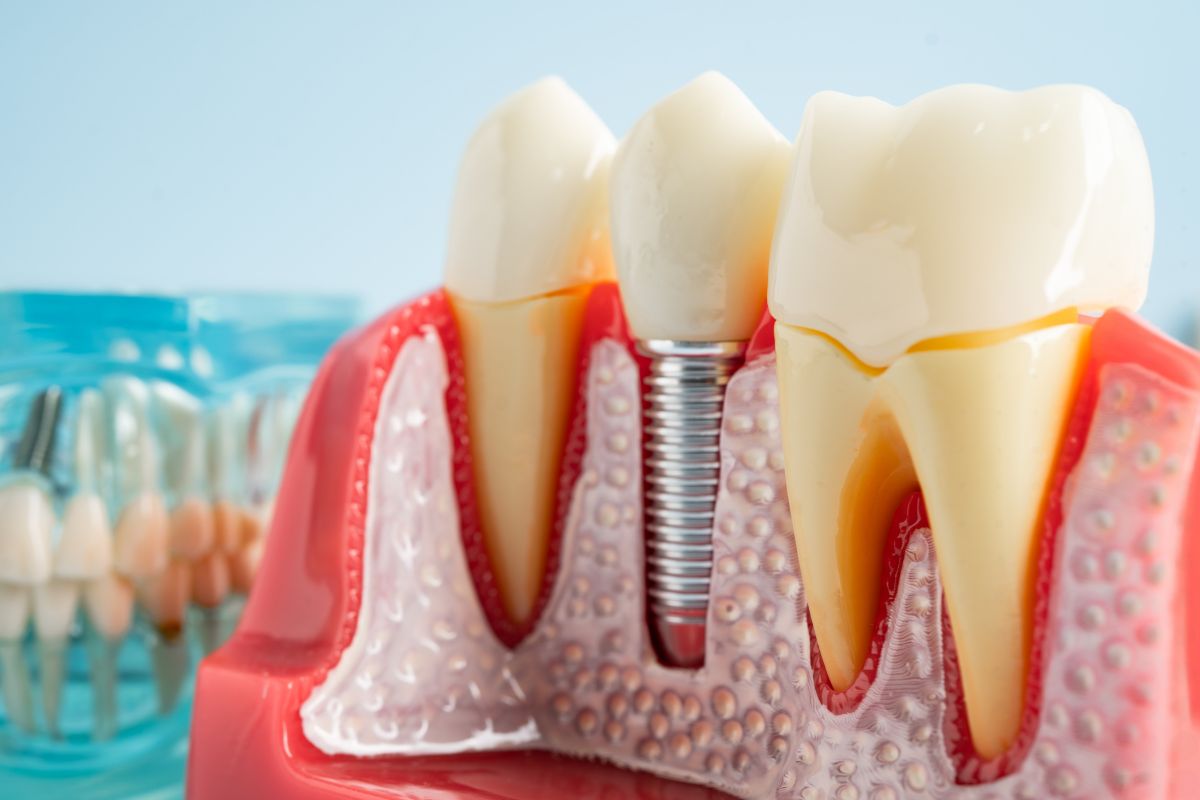
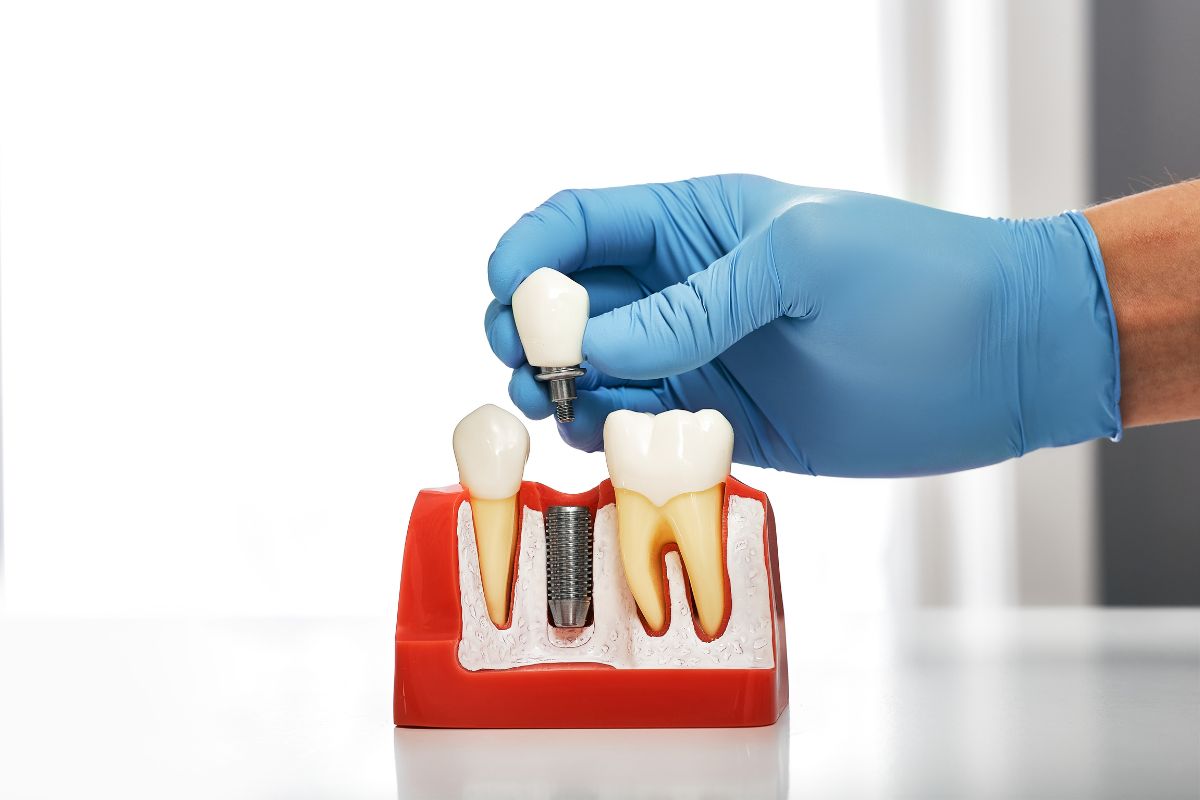
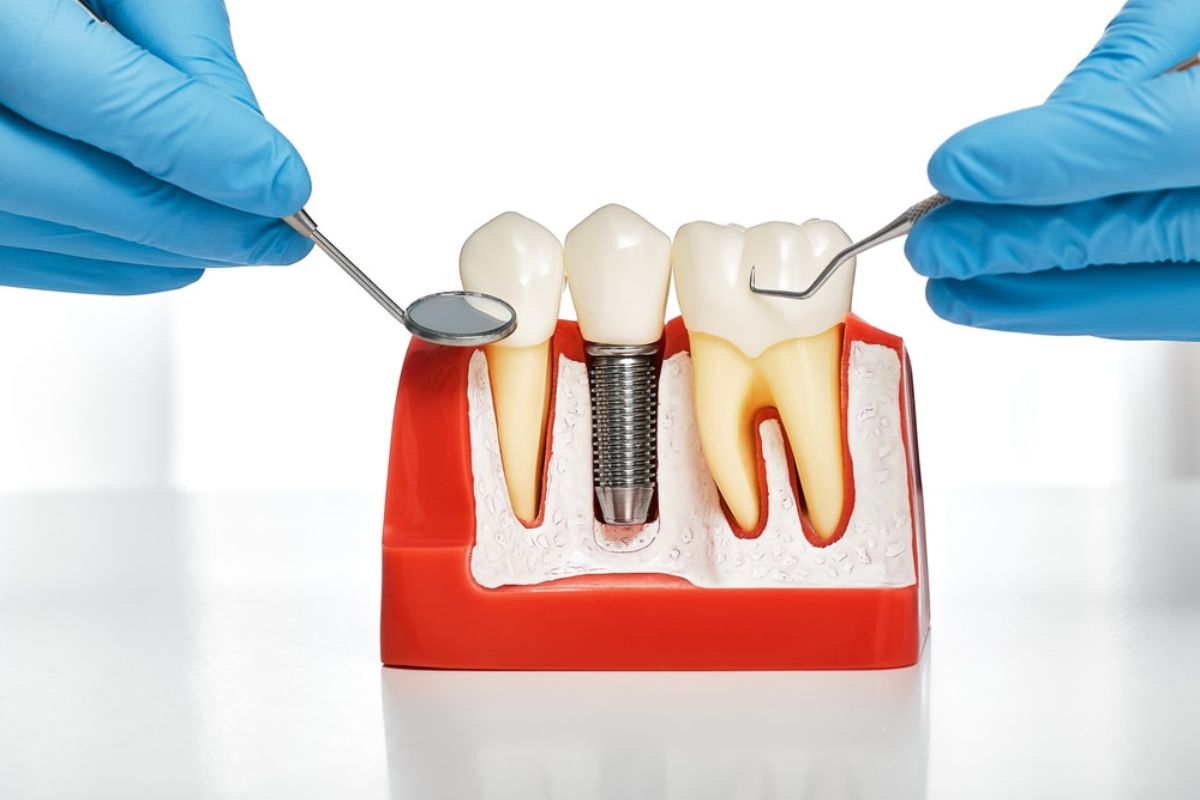
Implants act like artificial roots. For a full arch, your dentist usually uses 4–6 implants to support an entire set of teeth.
3. Healing and Osseointegration
Your bone naturally fuses with the implant. This creates a strong foundation for your new smile.
4. Attaching a Dental Bridge or Prosthetic Arch
Once healed, your custom arch of teeth is attached securely. It looks natural, feels comfortable, and function just like real teeth.
Benefits of Replacing an Arch With Implants
Choosing an arch-based implant treatment provides several strong advantages—especially when compared to dentures.
Natural Look and Feel
Implants sit firmly in the jaw, giving you better chewing power and a more confident smile.
Long-Term Stability
Because implants bond with bone, they can last for many years with proper care.
Improved Facial Appearance
Your cheeks and lips get better support since implants prevent bone loss.
Easy Maintenance
You can brush and floss almost like you would with natural teeth.
Comfort and Confidence
There’s no slipping, clicking, or embarrassment like with dentures.
Who Is a Good Candidate for Arch Implant Treatment?
You may be a great candidate if you:
- Have several missing or damaged teeth
- Want to replace a denture you don’t like
- Have good general health
- Have enough jawbone or are open to bone grafting
- Want a long-term, stable solution instead of repeated dental work
A consultation helps confirm the best option.
Upper Arch vs. Lower Arch: What’s the Difference?
Both arches serve different functions, so your treatment plan may vary.
Upper Arch
- Usually has softer bone
- May require additional support
- Often receives more aesthetic customization
Lower Arch
- Has stronger bones
- Offers more stability
- Usually heals faster
Your dentist will guide you based on your bite pattern and goals.
How Many Implants Are Needed for an Arch?
Most patients need 4–6 implants to support a full arch. This depends on:
- Bone strength
- Bite pressure
- Shape of your arch
- The type of bridge or prosthetic chosen
How Long Does Full-Arch Implant Treatment Last?
With good care, implant-supported arches can last decades. The implant posts themselves often last a lifetime, while the top restoration may need replacement after many years due to normal wear.
Caring for Your New Arch: Simple Tips
To keep your restored arch healthy:
- Brush twice daily
- Floss using threaders or water flossers
- Visit your dentist regularly
- Avoid chewing on ice, pens, or hard objects
- Maintain a balanced diet for bone health
Conclusion: Restore Your Smile With Confidence
Now you have a clear, simple understanding of what an arch in dental implants really means and how it helps transform your smile. If you are thinking about restoring a single arch or both arches, I would love to help guide you through the process step by step. For personalized care and a comfortable experience, you can always visit our dental office at Sierra Dental & Orthodontics or schedule your appointment. Your healthiest, strongest smile is just one decision away.