


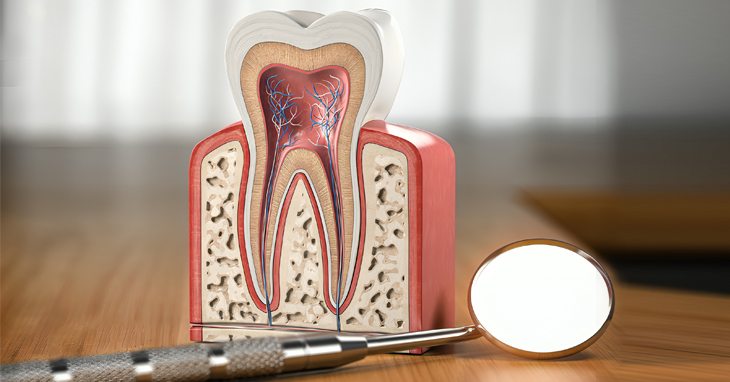
DENTAL HEALTH AND ROOT CANALS
In the past, a tooth with a diseased nerve would likely have been lost. However, thanks to modern root canal treatment, that tooth can now be saved. This relatively simple procedure typically requires one to three office visits. The best part is that a root canal can preserve both your tooth and your smile!
What Is The Purpose Of A Root Canal?
Once a tooth has emerged through the gums, its nerve is not essential for its health or function. The nerve's only role is sensory, providing the ability to feel hot or cold sensations. Whether the nerve is present or not, it will not impact the tooth's day-to-day functioning.
However, if a tooth is cracked or has a deep cavity, bacteria can penetrate the pulp tissue, leading to an infection inside the tooth. Without treatment, an abscess may develop. If the infected tissue is not removed, pain and swelling will occur, affecting the jawbone and potentially impacting overall health. Without proper care, the tooth may need to be extracted.
What Are The Signs That A Root Canal Is Needed?
If you are experiencing a severe toothache, pain while chewing or applying pressure, prolonged sensitivity to temperatures, dark discoloration of a tooth, or swelling and tenderness in your gums, you may need a root canal. It's important to note that not all teeth needing root canal therapy are painful. If you have any of these symptoms, please reach out to your dentist for further evaluation.
What Happens During A Root Canal?
If you need a root canal, you will need to schedule one to three visits. During these visits, your endodontist or dentist will remove the damaged tissue, clean and seal the tooth, and fill it with dental composite. In some cases, a crown may be recommended to strengthen and protect the tooth. With proper care, your restored tooth can last a lifetime.