Dental implants are a modern solution for replacing missing teeth, offering long-lasting benefits. But like any surgical procedure, healing plays a crucial role in their success. Understanding what to expect and how to care for yourself after dental implant surgery can help ensure a smooth recovery and successful outcome. In this post, we’ll cover what you need to know about the healing process, tips for post-surgery care, and when to consult your dentist.
What Happens After Dental Implant Surgery?
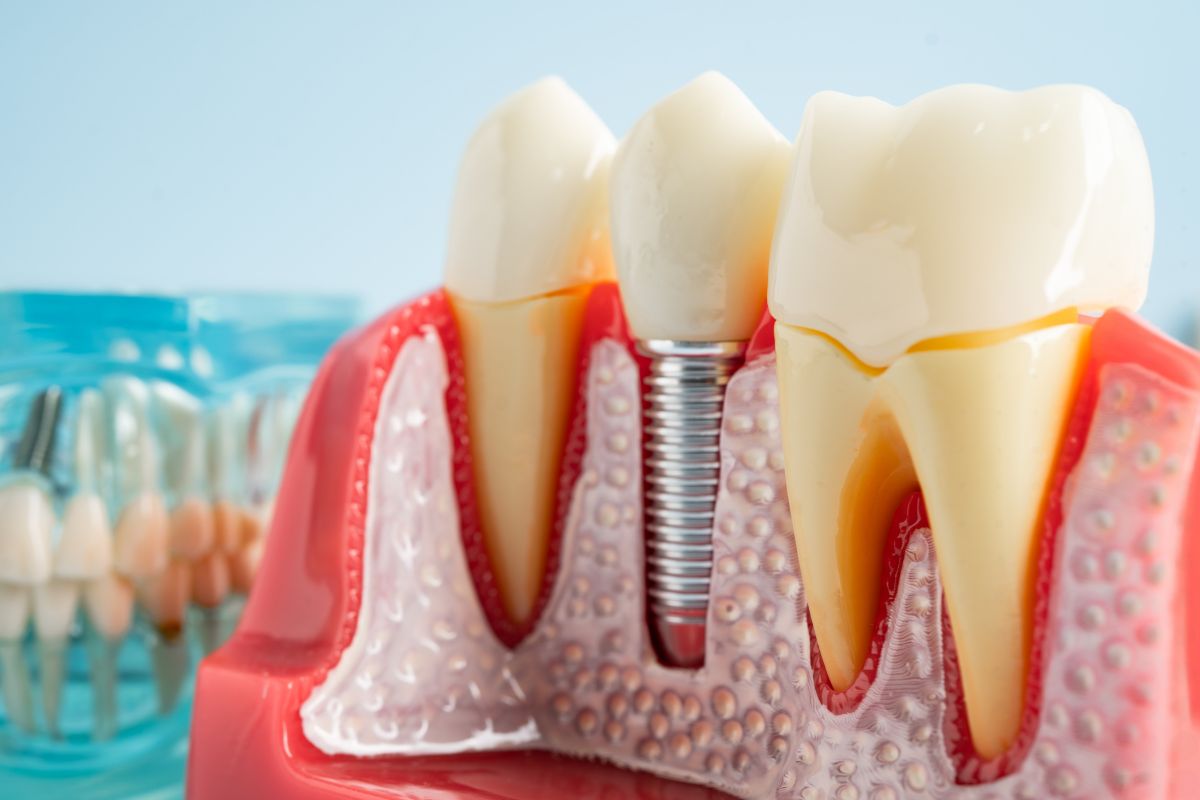
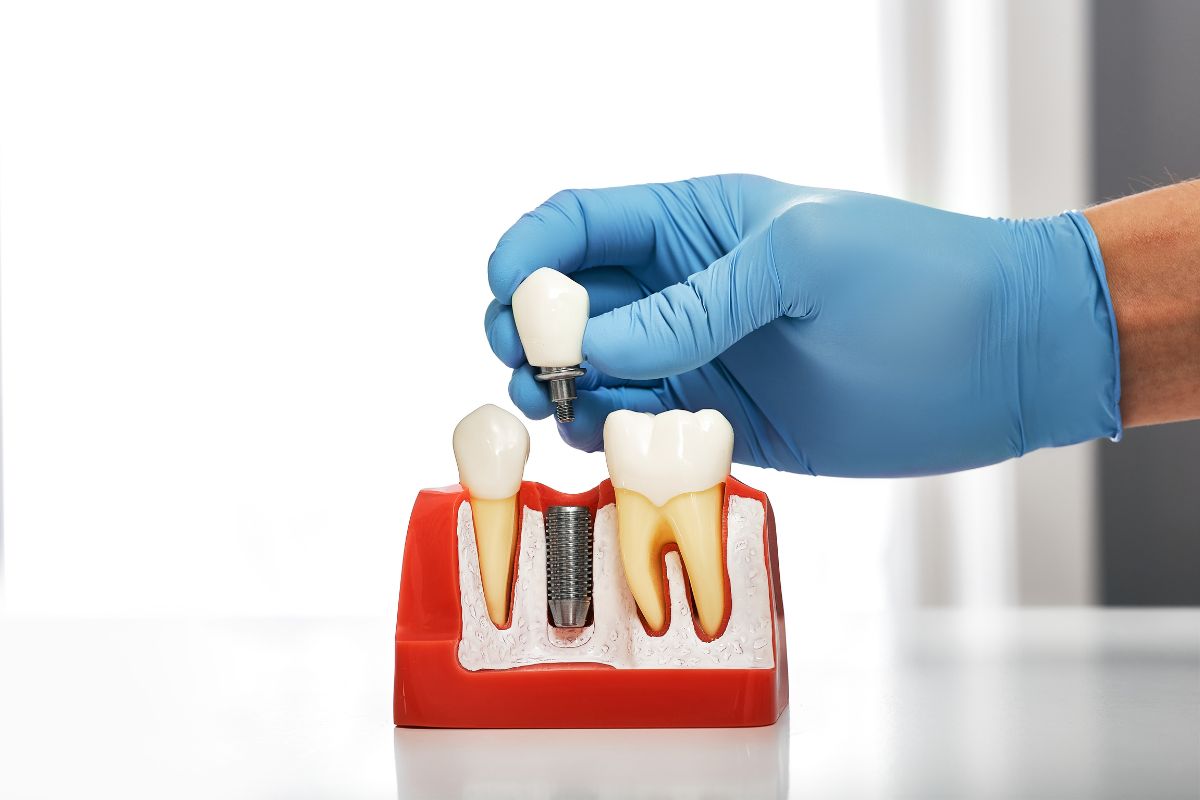
After your dental restoration surgery, your body immediately begins healing. The implant, typically made from titanium, is placed into the jawbone where it will fuse over the next few months through a process called osseointegration. This is the foundation for the stability of the implant and the final crown.
You may experience some swelling, discomfort, and minor bleeding after the procedure. These symptoms are typical and should begin to improve within a few days. Your dentist may prescribe pain medications or recommend over-the-counter anti-inflammatory drugs to help with any discomfort.
Immediate Post-Surgery Care
The first 24 to 48 hours after dental implant procedure are the most critical for ensuring proper healing. Here’s what you need to do:
- Control Bleeding: Bite down gently on the gauze provided by your dentist to help control bleeding. If bleeding continues after a few hours, you can replace the gauze and apply gentle pressure.
- Manage Swelling: Apply an ice pack to the outside of your cheek near the surgical site for 15-minute intervals. This can help alleviate swelling and discomfort.
- Take Medications as Prescribed: If your dentist has prescribed antibiotics or painkillers, take them exactly as directed to prevent infection and manage pain.
- Rest: Avoid physical activity for the first 48 hours. Resting enables your body to concentrate its energy on the healing process.
Diet and Nutrition After Surgery
Your diet after dental implant can greatly influence your recovery. In the first few days, stick to soft, nutrient-dense foods that won’t irritate the surgical site. Some good options include:
- Mashed potatoes
- Yogurt
- Smoothies
- Applesauce
- Broth-based soups
Avoid hot, spicy, or hard foods, as they can cause irritation or damage to the healing tissues. As the site heals, you can gradually reintroduce more solid foods, but avoid chewing directly on the implant area until your dentist gives you the green light.
Maintaining Oral Hygiene
Keeping your mouth clean is essential for preventing infection during the healing process. However, you’ll need to be careful around the surgical site. Here are a few tips:
- Rinse Gently: Starting 24 hours after surgery, you can gently rinse your mouth with a warm saltwater solution (1/2 teaspoon of salt in 8 ounces of water) several times a day. This will help clean the area and reduce inflammation.
- Brush Carefully: You should continue brushing your teeth, but be extra gentle around the implant site. Avoid using a toothbrush directly on the implant for the first few days.
- Avoid Mouthwash: Steer clear of commercial mouthwashes containing alcohol, as they can irritate the surgical area and slow the healing process.
The Healing Timeline
Healing after dental implant surgery is a gradual process, and it can vary from person to person. Here’s what the typical healing timeline looks like:
- First Week: Swelling, bruising, and discomfort are common, but they should gradually decrease. Follow your dentist’s care instructions closely.
- 4 to 6 Weeks: The implant site will start feeling more comfortable, and much of the initial healing will have taken place. You’ll likely have a follow-up appointment to check on the progress of osseointegration.
- 3 to 6 Months: Full healing and osseointegration should be complete. At this point, your dentist may schedule the placement of the final crown.
When to Call Your Dentist in Tennyson:
While most patients heal without complications, it’s essential to know the signs that something might not be right. If you notice any of the following symptoms, reach out to your dentist in Tennyson right away:
- Excessive swelling or bleeding
- Persistent pain that doesn’t improve with medication
- Symptoms of infection may include pus, fever, or a bad taste in your mouth
- Difficulty chewing or biting after the initial healing phase
Healing after implant dentistry surgery requires time and patience, but with the right care, your implant will integrate with your jawbone and function like a natural tooth. Stick to your dentist’s aftercare instructions, maintain a soft diet, and stay on top of your oral hygiene. By following these steps, you’ll set yourself up for a successful recovery and long-term dental health.
If you have any questions or concerns about the healing process, don’t hesitate to reach out to your dentist. A smooth recovery is key to the long-term success of your dental implants!