A bone graft for dental implants is a procedure that adds bone or bone-like material to an area of the jaw that lacks enough support for an implant. If you have lost a tooth, you may eventually notice changes in the bone beneath it. Fortunately, bone grafting can help rebuild that area and create a stronger foundation for tooth replacement.
At Sierra Dental & Orthodontics in Denver, patients can explore tooth replacement options and learn what their individual treatment may involve. Although not everyone needs a graft, it can be an important step for people who have experienced bone loss.
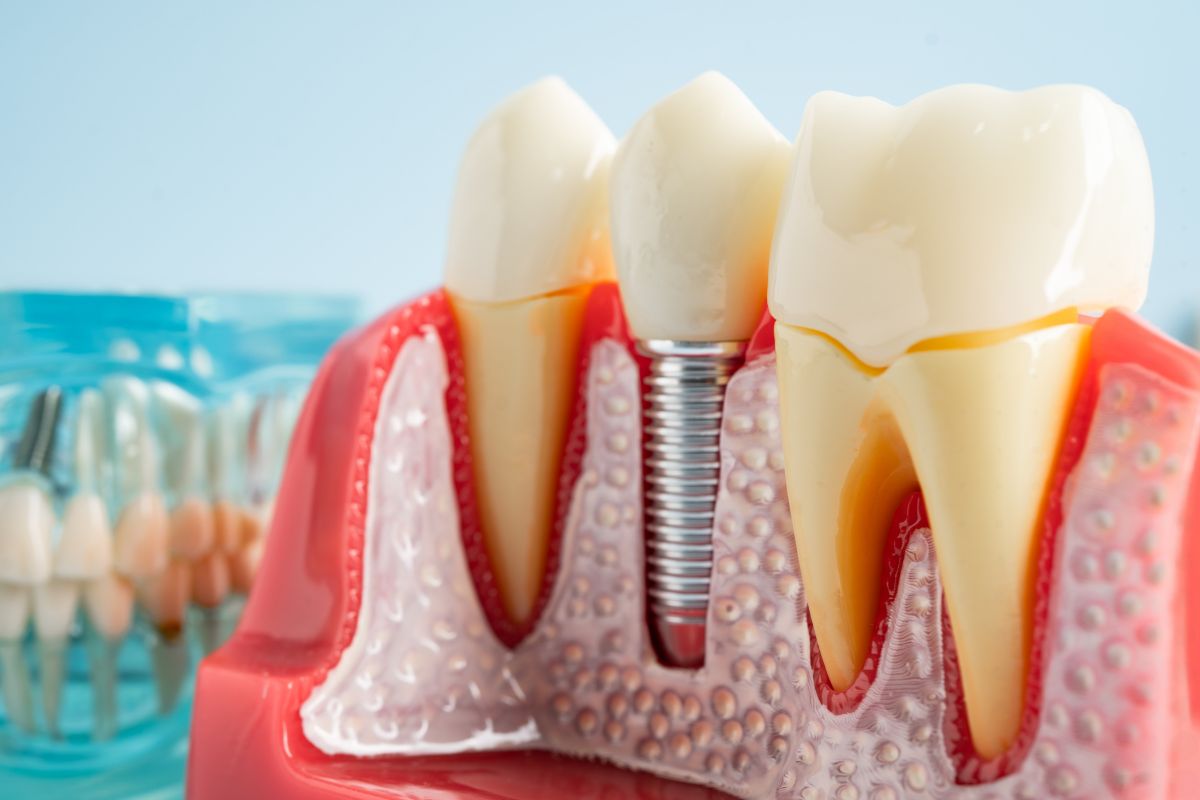
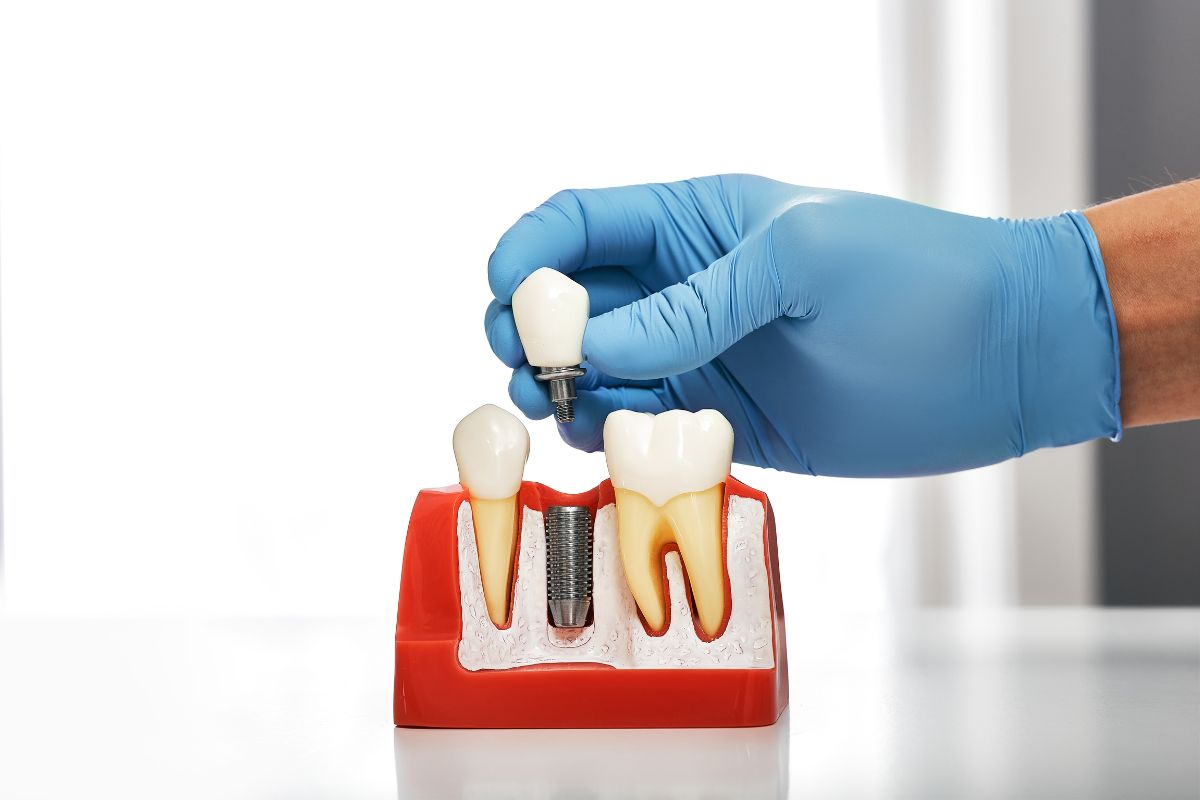
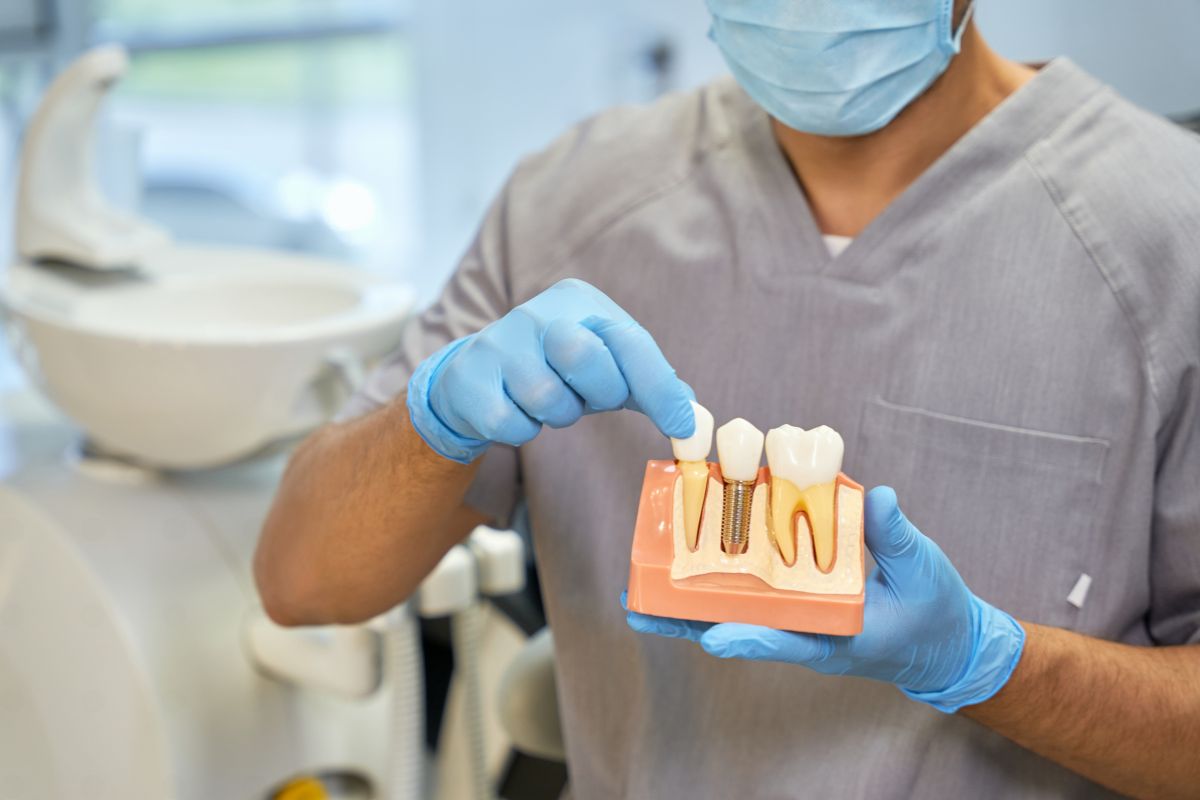
Dental implants replace missing tooth roots with small posts placed in the jawbone. Once the implant integrates with the surrounding bone, it can support a crown, bridge, or other restoration.
However, an implant needs sufficient bone for stability. When the jawbone is too thin, too short, or too weak in a particular area, grafting may help prepare it for treatment.
Why Do Some Patients Need Bone Grafting?
Your jawbone changes when you lose a tooth. Normally, the roots of your teeth help stimulate the surrounding bone during chewing. After tooth loss, that stimulation decreases, and the body may gradually absorb some of the bone.
As a result, the jawbone can shrink in height or width.
Common Reasons for Jawbone Loss
Several conditions can reduce the amount of bone available for an implant.
Missing teeth: Bone loss can begin after a tooth is removed or lost. The amount varies from person to person.
Advanced gum disease: Periodontal disease can damage the bone and tissues that support your teeth. If the condition leads to tooth loss, the affected area may no longer provide enough support for an implant.
Tooth infections: An infection around a tooth may damage nearby bone. After treatment or extraction, a graft may help preserve or rebuild the area.
Injury or trauma: An accident that damages the jaw or surrounding teeth may leave an area with limited bone.
Long-term denture use: Some people who have worn removable dentures for many years develop significant jawbone changes. However, this varies depending on individual anatomy and other factors.
Natural anatomy: You may have a naturally narrow jaw ridge or limited bone in an area where an implant is planned.
Importantly, having bone loss does not automatically mean you cannot receive dental implants. A dental examination and appropriate imaging can help determine whether grafting or another approach would be useful.
How Does Bone Grafting Support Dental Implants?
A bone graft helps restore the shape or volume of an area of the jaw. The graft material provides a framework that allows your body to build new bone over time.
Depending on your needs, your provider may use bone from your own body, processed donor bone, animal-derived bone material, or a synthetic substitute.
Each option has different characteristics. Your dental professional can explain which material suits your treatment and why.
What Happens During the Procedure?
The exact process depends on the location and size of the defect. However, a typical procedure follows several steps.
1. Examination and planning
Your dental team reviews your medical and dental history. They may take dental X-rays or a three-dimensional scan to assess the available bone and plan the procedure.
2. Numbing the area
Local anesthesia helps keep you comfortable during treatment. Some patients may also have sedation options, depending on the procedure and the provider’s services.
3. Placing the graft material
The provider accesses the area and places the selected graft material where additional bone is needed.
4. Protecting the graft
In some cases, a special membrane helps protect the graft and support healing. The provider then closes the area with sutures when needed.
5. Allowing healing
Your body gradually incorporates the graft material and develops new bone. This process takes time, so the implant may need to wait until the area has healed sufficiently.
Not every bone graft requires the same approach. Smaller grafts may need less healing time than larger procedures.
What Types of Bone Grafts Are Available?
The best type of graft depends on the amount of bone missing, the location of the planned implant, and your overall health.
Socket Preservation
After a tooth extraction, a provider may place graft material into the empty tooth socket.
This procedure, often called socket preservation, helps limit changes in the jaw ridge after extraction. It may make later implant placement easier, although it cannot prevent every change in bone shape.
Ridge Augmentation
A ridge augmentation helps rebuild the width or height of the jawbone.
This approach may be helpful when the area where a tooth used to sit has become too narrow or shallow to support an implant properly.
Sinus Lift
A sinus lift may help patients who need dental implants in the upper back jaw but lack sufficient bone height beneath the sinus.
During this procedure, the provider gently raises the sinus membrane and adds bone graft material beneath it.
The area then needs time to heal before or after implant placement, depending on the available bone and the treatment plan.
Block Bone Graft
For some larger defects, a provider may use a block of bone to rebuild the jaw.
This approach is more involved than a small graft and requires careful planning. It is not necessary for every patient with bone loss.
How Long Does Bone Grafting Take to Heal?
Healing time varies according to the size of the graft, the material used, your health, and whether an implant is placed at the same time.
Smaller grafts may heal within a few months. Larger grafts can require several months or longer before the area is ready for implant placement.
Your provider will monitor the site and determine when it has developed enough support for the next stage.
What Should You Expect After Surgery?
Some tenderness, swelling, bruising, and minor bleeding may occur after a bone graft. These symptoms often improve over several days, although recovery varies.
Your dental team may recommend the following steps:
- Follow all medication instructions.
- Apply a cold pack as directed to help manage swelling.
- Eat soft foods while the area heals.
- Avoid smoking and tobacco products.
- Keep the area clean according to your provider’s instructions.
- Avoid disturbing the surgical site with your tongue or fingers.
- Attend scheduled follow-up appointments.
Your provider may also advise you to avoid strenuous activity for a short period.
Call your dental office if pain or swelling worsens rather than improves, bleeding continues, or you develop a fever or other concerning symptoms.
Are Bone Grafts Safe, and What Are the Risks?
Bone grafting is a common procedure in implant dentistry. However, like any surgical treatment, it carries some risks.
Possible complications include infection, bleeding, swelling, graft exposure, delayed healing, or failure of the graft to integrate as expected.
Some patients may also need additional treatment if the graft does not create enough bone for the planned implant.
Your personal risk depends on factors such as smoking, certain medical conditions, medications, oral hygiene, and the complexity of the procedure.
For example, uncontrolled diabetes can interfere with healing. Therefore, share your complete medical history with your dental provider before surgery.
It is also important to understand that a graft does not guarantee a successful implant. Your provider must assess the bone, gums, bite, and other factors before recommending treatment.
Can You Get Dental Implants Without a Bone Graft?
Yes, many patients receive implants without grafting.
If your jawbone has enough height, width, and density, your provider may be able to place an implant directly.
However, if the bone cannot provide adequate support, placing an implant without addressing the problem may increase the risk of complications.
In some cases, alternative implant designs or treatment plans may reduce the need for extensive grafting. Your provider can explain whether these approaches are appropriate for your situation.
The important step is to avoid assuming that you need or do not need a graft based on how long you have been missing a tooth.
A clinical examination and imaging provide a clearer answer.
Build a Strong Foundation for Your Smile
Bone grafting can help rebuild areas of the jaw that have lost bone and may improve the conditions needed for dental implant placement. Although healing takes time, the procedure can expand tooth replacement options for eligible patients.
Sierra Dental & Orthodontics serves patients throughout Denver, with offices in River North and Tennyson. You can choose whichever location is most convenient for you when discussing missing teeth and potential treatment options.
Schedule your appointment with Sierra Dental & Orthodontics for dental consultation and learn which tooth replacement options may suit your needs.