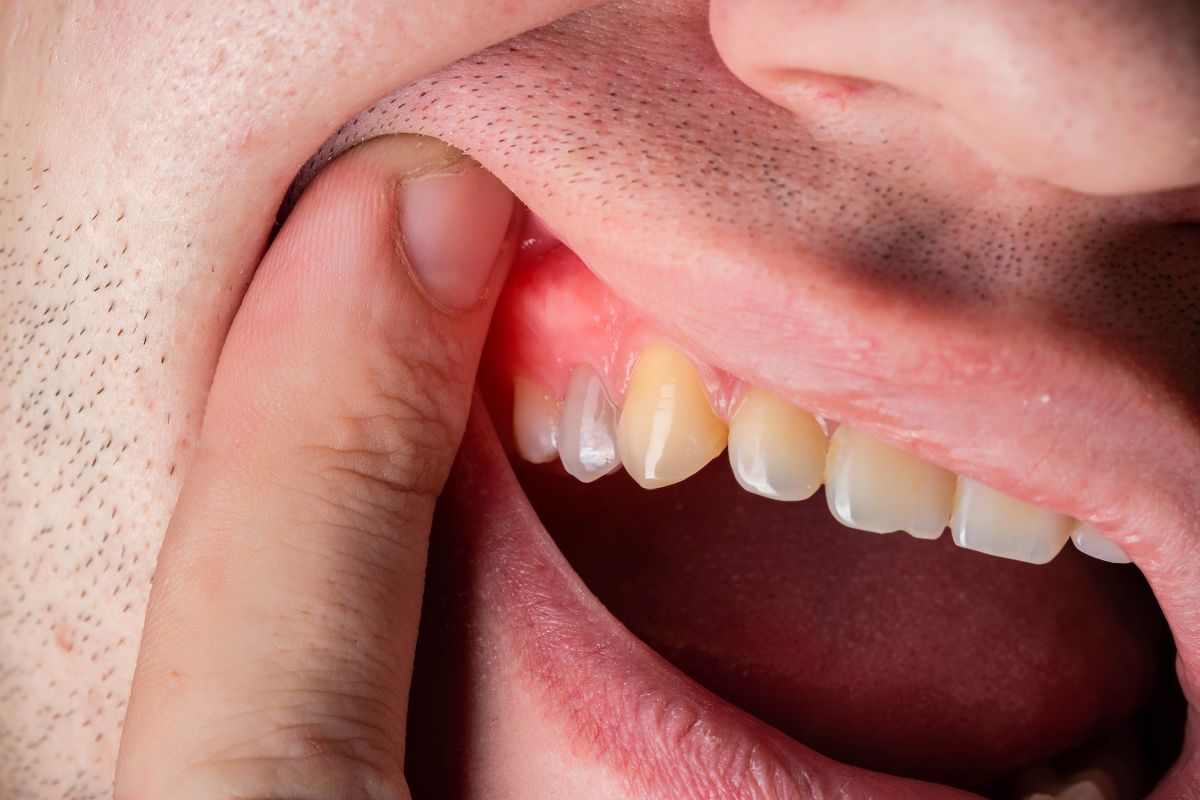
Diabetes and gum disease are closely linked because high blood sugar can affect the body’s ability to fight infection and heal damaged tissues. If you have diabetes, taking care of your gums is an important part of protecting your overall health.
Sierra Dental & Orthodontics serves adults throughout Denver who want to maintain healthy teeth and gums. Understanding the connection between diabetes and oral health can help you recognize problems early and make informed decisions about dental care.
Diabetes affects how your body manages glucose, or sugar, in the blood. When blood sugar stays high, it can influence many parts of your body, including your mouth.
For example, people with diabetes may face a higher risk of gum disease, dry mouth, and certain oral infections. However, good daily habits and regular dental care can help reduce these risks.
The relationship also works in the other direction. Gum disease can make blood sugar management more difficult, creating a cycle that requires attention from both dental and medical professionals.
Understanding the Connection Between Diabetes and Gum Disease
Your gums protect the roots of your teeth and help support the structures that hold your teeth in place.
However, bacteria in dental plaque can irritate the gum tissue. If plaque remains on your teeth, it can harden into tartar and contribute to inflammation.
Normally, your immune system responds to these bacteria. However, diabetes can affect your body’s response, especially when blood sugar remains poorly controlled.
Why High Blood Sugar Matters
High blood sugar can weaken aspects of the body’s infection-fighting response and slow wound healing.
As a result, gum inflammation may become harder to control. The tissues around your teeth may also have more difficulty recovering from infection or injury.
Over time, untreated gum disease can progress from gingivitis to periodontitis. This advanced condition damages the bone and connective tissues that support your teeth.
The connection works both ways.
Diabetes can increase the risk of gum problems, while serious gum inflammation may contribute to poorer blood sugar control.
This does not mean everyone with diabetes will develop gum disease. Instead, it means prevention and early treatment deserve extra attention.
If you have diabetes, a trusted dentist can help you understand your gum health and discuss a suitable preventive care schedule.
Common Oral Health Problems Linked to Diabetes
Diabetes can affect your mouth in several ways. Recognizing these changes helps you know when to seek professional advice.
1. Increased Risk of Gum Disease
People with diabetes, particularly those with poorly controlled blood sugar, have a greater risk of periodontal disease.
Early gum disease may cause redness, swelling, or bleeding during brushing. As the condition progresses, the gums may pull away from the teeth and form deeper pockets.
Without treatment, periodontitis can damage the supporting bone and increase the risk of loose teeth.
2. Dry Mouth
Some people with diabetes experience dry mouth, which may occur for several reasons, including certain medications or dehydration associated with high blood sugar.
Saliva helps wash away food particles and neutralize acids. Therefore, reduced saliva can increase the risk of tooth decay, discomfort, and oral infections.
If your mouth often feels dry, tell your dentist. They may recommend drinking water regularly, using suitable saliva substitutes, or reviewing other contributing factors with your healthcare provider.
3. Slower Healing
High blood sugar can interfere with normal healing.
Consequently, cuts, sores, or areas irritated by dental appliances may take longer to recover. This can be especially important after an extraction or other dental procedure.
Good blood sugar management and following your dentist’s aftercare instructions can support healing.
4. Greater Risk of Oral Infections
Diabetes can increase the risk of certain infections, including oral fungal infections such as candidiasis.
Symptoms may include white patches, redness, soreness, or changes in taste. However, these symptoms can have other causes, so a dental professional should evaluate them.
5. Higher Risk of Tooth Loss
Advanced gum disease can damage the bone and tissues that support your teeth.
If the damage becomes severe, teeth may loosen or need to be removed. Therefore, managing gum disease early is especially important for people with diabetes.
Warning Signs You Should Not Ignore
Gum disease can develop without causing significant pain at first. For that reason, regular dental examinations matter even when your mouth feels normal.
Watch for these symptoms:
- Gums that bleed when you brush or floss.
- Red, swollen, or tender gums.
- Persistent bad breath.
- Gums that appear to pull away from your teeth.
- Teeth that feel loose or shift position.
- Pain when chewing.
- Dry mouth that continues throughout the day.
- Sores or irritated areas that heal slowly.
If you notice these symptoms, arrange a dental examination rather than waiting for them to disappear.
Additionally, tell your dental team that you have diabetes and share relevant information about your treatment and blood sugar management.
If you experience facial swelling, severe dental pain, fever, or signs of a spreading infection, seek prompt dental or medical care.
How Can You Protect Your Gums if You Have Diabetes?
A consistent routine can help reduce plaque, support healthier gums, and lower your risk of dental problems.
Brush and Clean Between Your Teeth Daily
Brush twice a day with fluoride toothpaste and a soft-bristled toothbrush.
Use gentle movements along the gumline, and clean between your teeth daily with floss or another suitable interdental cleaner.
Because plaque builds up continuously, consistency matters more than brushing aggressively.
Keep Up With Dental Visits
Regular dental examinations help your provider identify gum inflammation, decay, and other problems early.
Depending on your gum health and medical history, you may need professional cleanings more frequently than every six months.
Your dentist can recommend an appropriate schedule based on your individual risk.
Manage Blood Sugar With Your Healthcare Team
Follow the diabetes management plan developed with your healthcare provider.
This may include medication, monitoring blood glucose, nutrition, physical activity, and other measures suited to your health needs.
Better blood sugar management can support your body’s ability to fight infection and heal.
However, do not change your medication or diabetes treatment based on dental advice alone. Discuss medical changes with the clinician who manages your diabetes.
Drink Water and Address Dry Mouth
Water can help relieve mild dryness and support normal saliva function.
If dry mouth persists, ask your dentist or healthcare provider about possible causes and suitable treatments.
Also, limit frequent sugary drinks because they can increase the risk of tooth decay.
Avoid Smoking
Smoking increases the risk of periodontal disease and can interfere with healing.
If you smoke, ask your healthcare provider about practical ways to quit. Stopping tobacco use can benefit both your oral health and your general health.
What Dental Treatments May Help?
If your dentist identifies gum disease, treatment will depend on its severity and your overall health.
Professional Cleaning
Professional cleaning removes plaque and tartar that you cannot remove with regular brushing alone.
For early gum inflammation, this may be an important part of restoring healthier gums, alongside improved home care.
Scaling and Root Planing
If gum disease has progressed below the gumline, your dentist may recommend scaling and root planing.
This deep-cleaning procedure removes deposits from periodontal pockets and smooths the affected root surfaces.
After treatment, your dental team will assess your healing and determine whether further care is needed.
Ongoing Periodontal Maintenance
Gum disease can return if plaque builds up again.
Therefore, people who have received periodontal treatment often need ongoing maintenance visits. Your dentist can adjust the schedule according to your gum health and response to treatment.
Planning Treatment Around Diabetes
If you need an extraction, periodontal surgery, or another procedure, tell your dental provider about your diabetes and medications.
Your provider may ask about your recent blood sugar levels, medical history, and any complications that could affect healing.
In some cases, coordinating with your medical team can help ensure that the timing and aftercare suit your needs.
Importantly, diabetes does not automatically prevent you from receiving dental treatment. Instead, your care team can use your medical information to plan treatment more safely.
Can Treating Gum Disease Help Blood Sugar Control?
Research suggests that the relationship between diabetes and periodontal disease works in both directions.
When gum disease causes ongoing inflammation, it may contribute to difficulties with blood sugar control. Treating periodontal disease can improve gum health and may lead to modest improvements in some measures of blood sugar management.
However, dental treatment is not a replacement for diabetes medication, nutrition planning, physical activity, or regular medical care.
The results also vary from person to person. Some patients may see changes in blood sugar measures, while others may not experience a significant difference.
The most effective approach combines good oral hygiene, appropriate periodontal treatment, and ongoing diabetes management.
How Often Should People With Diabetes Visit the Dentist?
There is no single schedule that suits every person with diabetes.
Some patients benefit from routine examinations and cleanings twice a year. Others may need more frequent visits because they have active gum disease, a history of periodontal problems, or additional risk factors.
Your dentist can assess your gum pockets, plaque levels, existing restorations, and other signs of oral health.
You should also mention any changes in your medical condition or medications. These details can help your dental team adjust your care plan when necessary.
Even if your teeth feel fine, do not skip regular visits. Early gum disease may cause few noticeable symptoms, and a professional examination can reveal problems you might miss at home.
Make Gum Health Part of Your Diabetes Care
Diabetes can increase your risk of gum disease, dry mouth, oral infections, and slower healing. At the same time, advanced gum inflammation may make blood sugar management more difficult.
Fortunately, daily brushing and interdental cleaning, regular dental visits, appropriate periodontal treatment, and good diabetes management can all support healthier gums.
Sierra Dental & Orthodontics welcomes patients throughout Denver, with offices in River North and Tennyson. You can choose whichever location is most convenient for you when planning your dental care.
Schedule your appointment with Sierra Dental & Orthodontics and discuss a preventive care plan that supports your oral health.