A root canal can save your tooth when it’s severely infected or decayed. But many people wonder, “How long does a root canal last?” The great news is that with proper care, root canals can last a lifetime. However, several factors can affect the longevity of a root canal. In this blog post, we’ll explore the factors that determine how long a root canal lasts and what you can do to ensure your treated tooth stays healthy for years to come.
What Is a Root Canal?
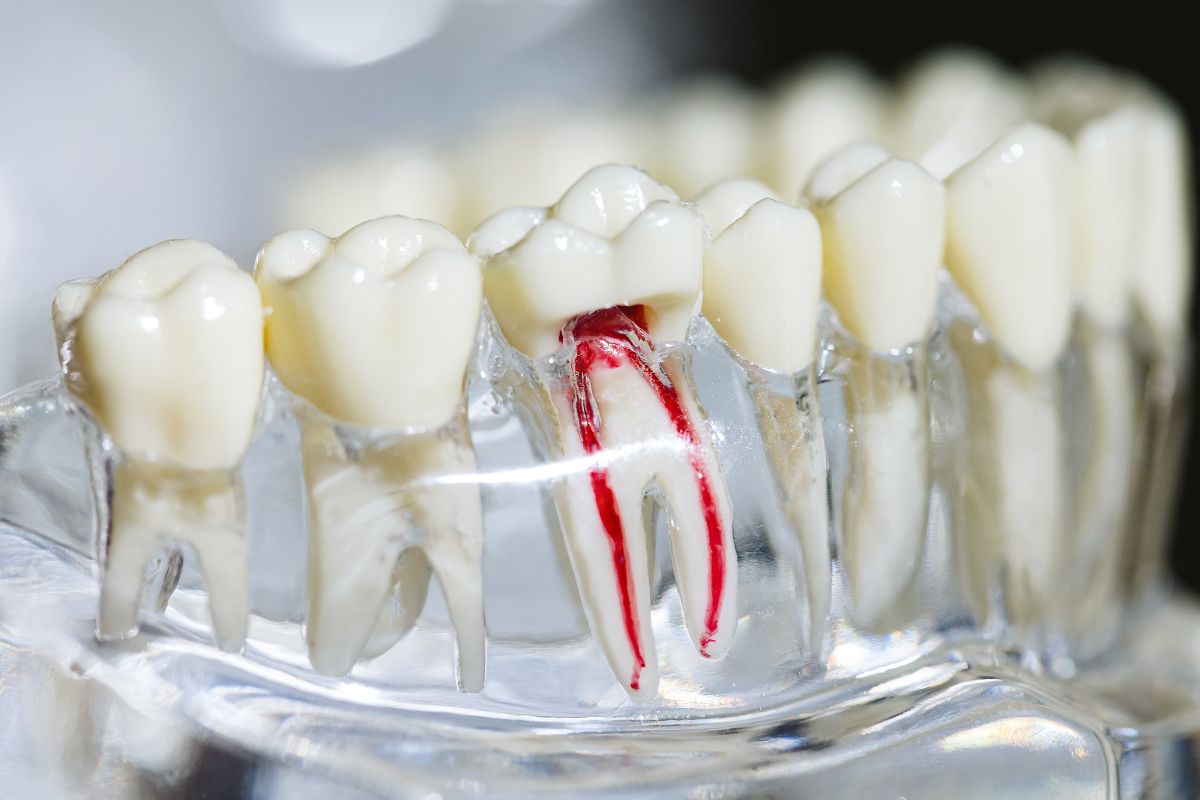
Before diving into how long a root canal lasts, it’s important to understand what the procedure involves. During a root canal, the dentist or endodontist removes the infected or damaged pulp from inside the tooth. The pulp consists of nerves, blood vessels, and connective tissue that help your tooth grow during its development. After the pulp is removed, the tooth’s interior is thoroughly cleaned, disinfected, and sealed to stop any future infection. A crown is usually placed over the tooth to restore its strength and function.
How Long Can a Root Canal Last?
With proper care, a root canal can last decades or even a lifetime. Many people who have had root canals done in their 20s or 30s still have their treated teeth well into their 50s and beyond. Studies show that the success rate for root canals is over 90%, meaning that the vast majority of treated teeth remain functional for many years.
However, a root canal-treated tooth is not immune to damage. Here are some factors that can affect how long your root canal lasts:
Quality of the Initial Root Canal Procedure
The skill of the dentist performing the procedure plays a major role in the success and longevity of a root canal. An expertly done root canal ensures that the infected tissue is completely removed, the inside of the tooth is thoroughly cleaned, and the tooth is properly sealed. If any infected tissue is left behind, or if the tooth is not sealed properly, reinfection can occur, shortening the life of the treated tooth.
To increase your chances of a successful procedure, it’s best to choose a dentist with experience in root canals or an endodontist who specializes in this type of treatment.
The Use of a Dental Crown
In most cases, a crown is placed on the tooth after a root canal to protect it from damage. The tooth structure can become more brittle after the pulp is removed, so the crown adds the necessary strength. Teeth that have had a root canal but no crown are more likely to crack or break over time, reducing the longevity of the procedure.
High-quality crowns made from materials like porcelain, gold, or metal alloys can last 10 to 15 years or more with proper care, contributing to the overall durability of the root canal.
Oral Hygiene Habits
One of the biggest factors in how long your root canal will last is how well you care for your teeth. While the treated tooth is no longer susceptible to decay in the same way as other teeth, it can still suffer from gum disease or reinfection if not properly cared for.
Brushing your teeth twice a day, flossing daily, and using an antiseptic mouthwash can help keep your gums and the surrounding teeth healthy. Regular dental check-ups and cleanings are also important for spotting any issues early, such as cracks in the crown or signs of gum disease.
Reinfection
Though a root canal can successfully remove infection, there is always a small risk of reinfection. This can happen if there are complications during the procedure, such as undetected canals, or if the crown becomes damaged or loose. Reinfection can also occur if new decay forms near the treated tooth.
If you experience pain, swelling, or sensitivity in a tooth that has undergone a root canal, it’s crucial to visit your dentist as soon as possible to address the issue.
Wear and Tear
Your teeth endure a lot of wear and tear throughout your life. If you grind your teeth (a condition known as bruxism) or frequently chew on hard objects like ice, pens, or hard candy, the pressure can weaken a tooth that has had a root canal. Using a nightguard to protect your teeth while you sleep and avoiding habits that put unnecessary stress on your teeth can help preserve the longevity of your root canal.
How to Maximize the Lifespan of Your Root Canal
To ensure your root canal lasts as long as possible, follow these simple tips:
- Maintain excellent oral hygiene. Brush, floss, and use mouthwash daily to prevent plaque buildup and gum disease.
- Wear a crown if recommended. This will protect your tooth from cracking and add strength to the structure.
- Avoid bad habits. Don’t chew on hard objects, and if you grind your teeth, ask your dentist about a nightguard.
- Visit your dentist regularly. Regular check-ups allow your dentist to spot any potential issues early on.
A well-performed root canal can last a lifetime, but the longevity of the treatment depends on several factors. The quality of the initial procedure, your oral hygiene habits, the placement of a crown, and avoiding wear and tear are key to ensuring your root canal lasts as long as possible. By taking care of your treated tooth and addressing any issues promptly, you can enjoy a healthy smile for years to come.