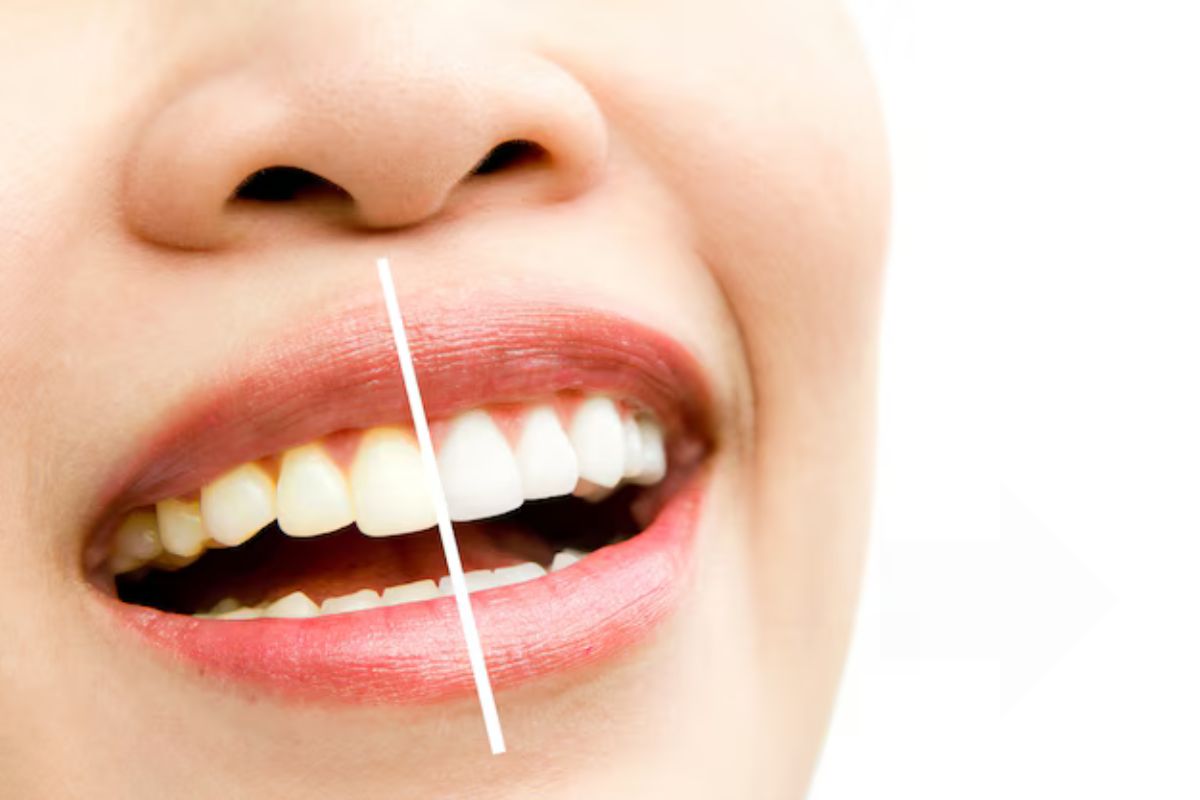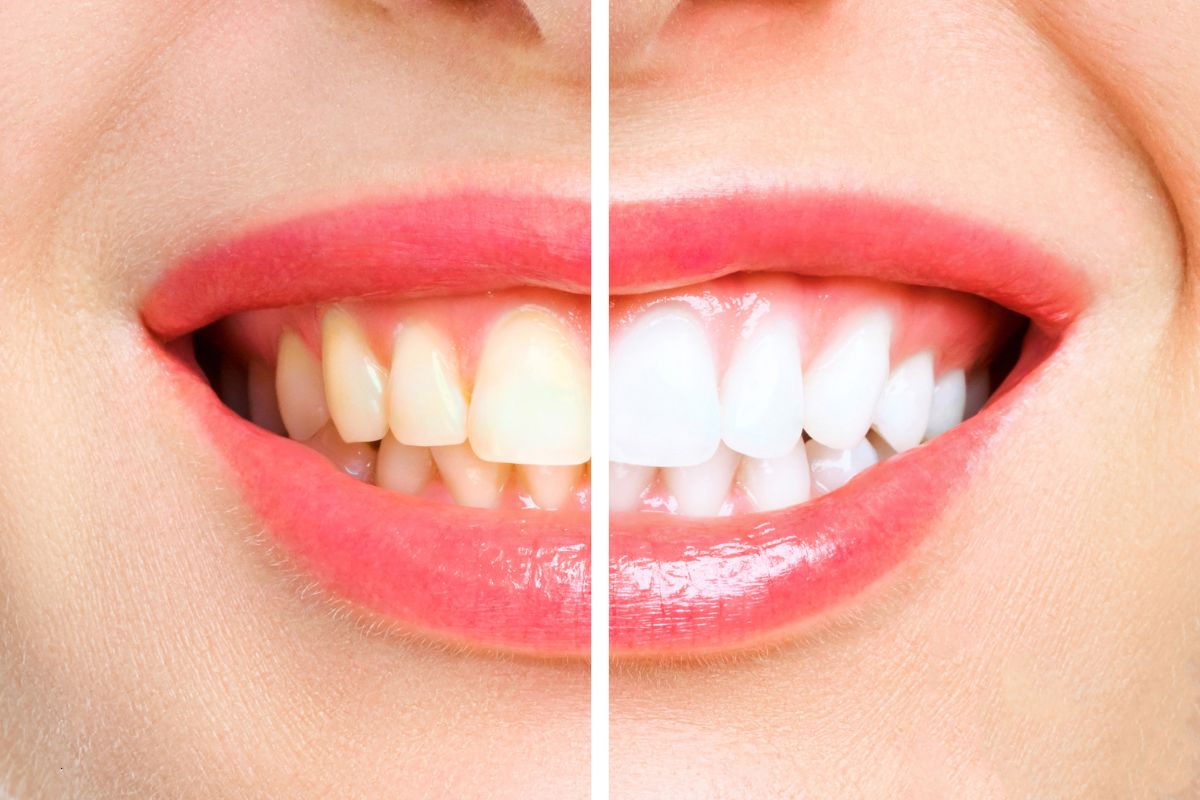
If you have sensitive teeth, you might feel hesitant about teeth whitening treatments. The good news is that you can achieve a brighter smile without sacrificing comfort. Let’s explore safe teeth whitening options and essential tips for managing sensitivity.
Understanding Tooth Sensitivity
Tooth sensitivity occurs when the tooth enamel thins or the gums recede, exposing the dentin layer underneath. This layer contains tiny nerve endings that can react to hot, cold, or even sweet stimuli. Teeth whitening products, especially those containing hydrogen peroxide or carbamide peroxide, can exacerbate sensitivity. However, with the right approach, you can minimize discomfort while achieving a radiant smile.
Safe Whitening Options
- Consult Your Dentist
Before starting any whitening treatment, consult your dentist. They can evaluate your dental health, determine the cause of your sensitivity, and recommend the best whitening options for you. Professional advice ensures you choose a safe method that suits your needs.
- Use Whitening Toothpaste
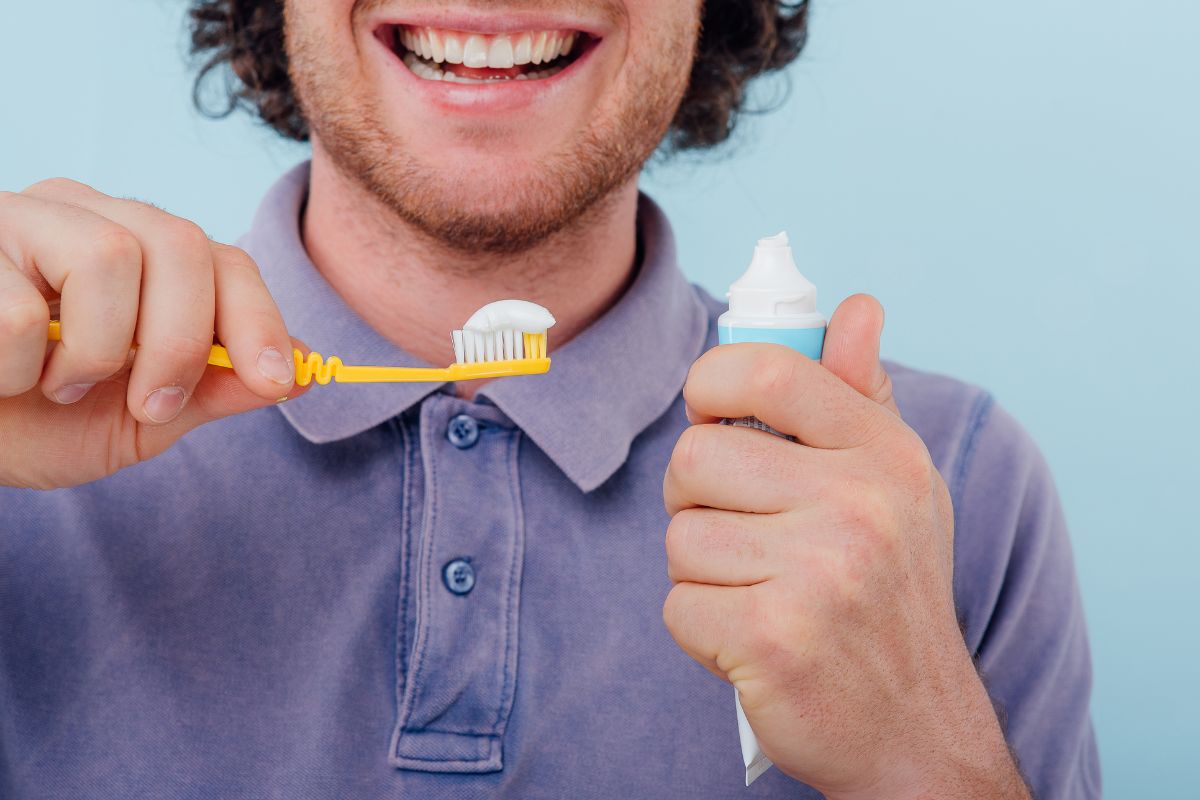
Whitening toothpaste can be an effective way to gradually lighten your teeth without causing significant sensitivity. These pastes contain mild abrasives and low concentrations of whitening agents, making them gentler on sensitive teeth. Look for products specifically formulated for sensitive teeth, which usually contain potassium nitrate or strontium chloride to help relieve discomfort.
- Try Whitening Strips for Sensitive Teeth
Many brands now offer whitening strips designed for sensitive teeth. These strips have lower concentrations of bleaching agents, reducing the risk of irritation. Apply them as directed for a gradual whitening effect. Always choose strips that carry the American Dental Association (ADA) Seal of Acceptance for added reassurance.
- Consider Professional Treatments
In-office whitening treatments administered by a dentist can provide significant results in a single visit. Dentists use stronger whitening agents combined with protective measures, such as desensitizing agents, to minimize discomfort. Discuss your sensitivity concerns with your dentist to find a treatment plan that works for you.
- Opt for Custom Trays
Custom-fitted whitening trays offer a personalized approach to at-home whitening. Your dentist in Tennyson can create trays that fit your mouth perfectly, ensuring even distribution of the whitening gel while protecting your gums. You can use lower concentrations of the whitening agent, which may help reduce sensitivity.
Tips for Managing Sensitivity:
- Start Slow: If you experience sensitivity, consider starting with shorter application times and lower concentrations of whitening agents. Gradually increase the duration and strength as your teeth adjust.
- Take Breaks: If sensitivity occurs, take breaks between whitening sessions. Allow your teeth time to recover before continuing.
- Use Desensitizing Products: Consider using desensitizing toothpaste or gel in conjunction with whitening treatments. These products help block nerve signals and can provide relief.
- Avoid Trigger Foods: After whitening, avoid very hot, cold, or acidic foods and beverages that can aggravate sensitivity. Stick to mild foods and room-temperature drinks for the first few days after treatment.
- Maintain Good Oral Hygiene: Regular brushing and flossing help keep your teeth and gums healthy, reducing sensitivity over time. Make sure to schedule regular check-ups and professional cleanings with your dentist.
Teeth whitening for sensitive teeth is possible with the right products and practices. By consulting your dentist in Tennyson, choosing gentle whitening options, and following tips to manage sensitivity, you can enjoy a bright, confident smile without discomfort. Start your journey to whiter teeth today, and let your smile shine!