Dry mouth is a common problem for many people living in Colorado, especially during the colder months and throughout the state’s naturally low-humidity climate. If you often wake up with a sticky feeling in your mouth or find yourself reaching for water throughout the day, Colorado’s dry air may play a bigger role than you realize. At Sierra Dental & Orthodontics, we regularly help patients in Denver understand how the local climate affects their oral health and what they can do to stay comfortable and protect their smiles.
Saliva does much more than keep your mouth moist. It helps wash away food particles, neutralizes acids, and protects your teeth and gums from harmful bacteria. When your mouth does not produce enough saliva, everyday activities such as speaking, eating, and swallowing can become uncomfortable. Understanding the causes of this condition can help you take the right steps before it leads to more serious dental concerns.
Why Colorado’s Climate Affects Your Mouth
Colorado is well known for its beautiful mountains, sunny weather, and high elevation. However, the state’s climate also has very low humidity compared to many other parts of the country. Because the air contains less moisture, your body loses water more quickly through breathing and normal daily activities.
As a result, many people experience:
- Increased thirst
- Chapped lips
- Dry skin
- Irritated nasal passages
- Reduced saliva production
When these conditions continue for long periods, your mouth may not stay properly hydrated.
What Happens When Saliva Production Decreases
Saliva protects every part of your mouth. It helps keep bacteria under control while supporting healthy teeth and gums.
Without enough saliva, you may notice:
- Difficulty swallowing food
- A sticky feeling inside your mouth
- Trouble speaking comfortably
- Changes in taste
- More frequent cavities
- Bad breath
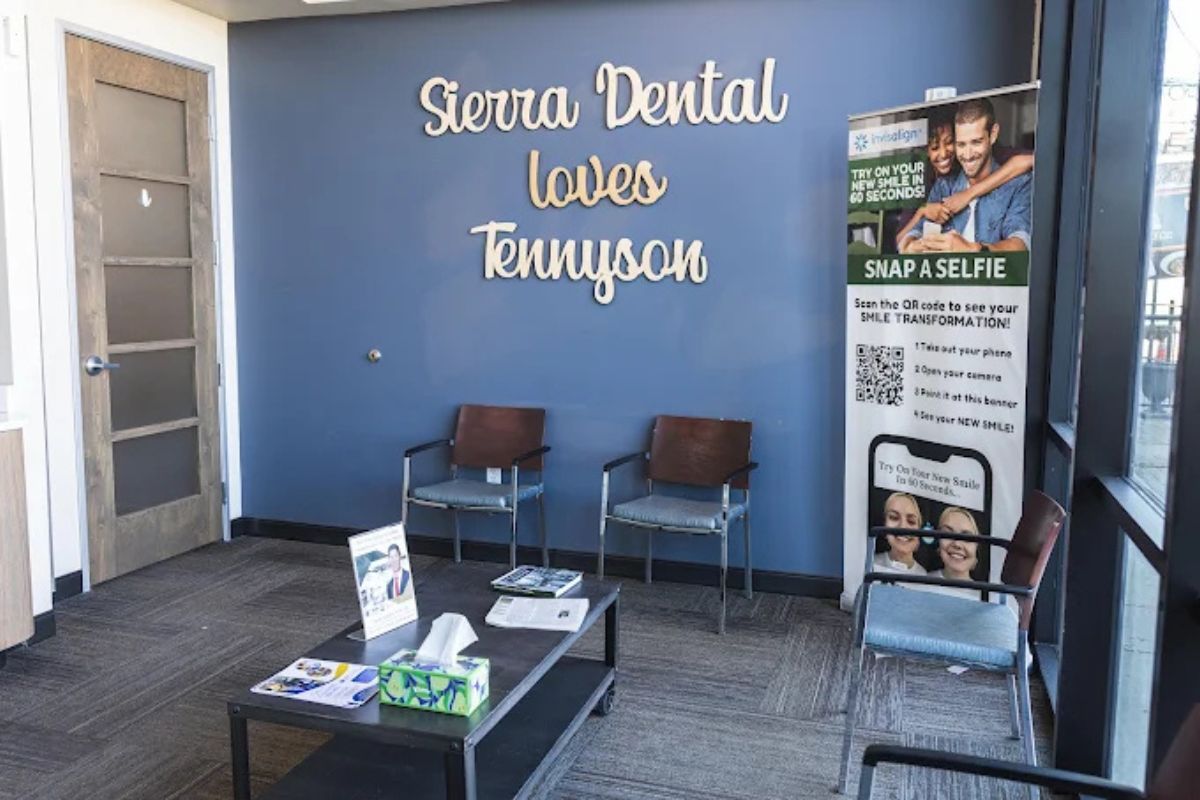
As a trusted dentist at Sierra Dental & Orthodontics, proudly serving patients throughout Denver, including our Tennyson and River North locations, we often help patients manage dry mouth before it leads to more serious oral health problems.
Why Saliva Is So Important
Many people underestimate how valuable saliva really is.
It helps:
- Wash away food debris
- Neutralize harmful acids
- Protect tooth enamel
- Support healthy gums
- Control bacteria
- Improve digestion by beginning the breakdown of food
Without these natural protections, your risk of dental problems increases.
Other Causes That Can Make the Problem Worse
Although Colorado’s climate plays a major role, several additional factors can reduce saliva production.
Medications
Hundreds of prescription and over-the-counter medications list reduced saliva production as a side effect.
These include medications for:
- Allergies
- High blood pressure
- Depression
- Anxiety
- Pain management
Mouth Breathing
Many people breathe through their mouths while sleeping because of allergies, nasal congestion, or sleep apnea. This habit can leave your mouth feeling dry every morning.
Dehydration
Even mild dehydration affects saliva production.
You may become dehydrated because of:
- Intense exercise
- Hot weather
- High elevation
- Not drinking enough water
- Excess caffeine or alcohol
Medical Conditions
Certain health conditions also increase your risk, including:
- Diabetes
- Sjögren’s syndrome
- Autoimmune disorders
- Radiation therapy involving the head or neck
Signs You Should Not Ignore
Early symptoms may seem minor, but they often become more noticeable over time.
Watch for:
- Constant thirst
- Thick or stringy saliva
- Burning sensations inside the mouth
- Difficulty chewing
- Cracked lips
- Frequent bad breath
- More cavities than usual
- Sore throat upon waking
If these symptoms continue, schedule an evaluation with your dentist.
How Chronic Dryness Affects Your Oral Health
A lack of saliva creates an environment where bacteria can grow more easily.
Over time, this may increase your risk for:
Tooth Decay
Saliva naturally protects enamel from acid attacks. Without enough protection, cavities can develop faster.
Gum Disease
Bacteria collect more easily around the gumline when saliva levels remain low.
Bad Breath
Food particles and bacteria stay in your mouth longer, leading to unpleasant breath.
Mouth Infections
Dry tissues become more vulnerable to fungal infections such as oral thrush.
Difficulty Wearing Dentures
People who wear dentures may experience increased irritation because saliva normally provides natural lubrication.
Practical Ways to Keep Your Mouth Comfortable
Fortunately, several simple habits can improve moisture levels throughout the day.
Drink Water Regularly
Water remains the easiest way to support healthy saliva production.
Carry a reusable water bottle and sip throughout the day instead of waiting until you feel thirsty.
Limit Drying Beverages
Reduce drinks that may contribute to dehydration, including:
- Coffee
- Energy drinks
- Alcohol
- Sugary soft drinks
Choose Sugar-Free Gum
Chewing sugar-free gum containing xylitol can stimulate saliva production while helping reduce cavity-causing bacteria.
Use a Humidifier
Adding moisture to your bedroom air during the night can help reduce morning dryness, especially during Colorado winters.
Practice Excellent Oral Hygiene
Brush twice daily and floss every day to reduce plaque buildup while protecting your teeth and gums.
Regular professional cleanings also help lower your risk of complications.
When to See a Dentist
Many people assume occasional dryness is normal. However, symptoms that continue for weeks deserve professional attention.
Your dentist may:
- Review your medications
- Examine your oral tissues
- Check for signs of tooth decay
- Recommend saliva substitutes
- Suggest fluoride treatments
- Identify possible medical causes
Early care often prevents more complicated dental problems later.
Healthy Lifestyle Habits That Support Better Saliva Production
Small daily changes often make a noticeable difference.
Helpful habits include:
- Staying well hydrated
- Eating fresh fruits and vegetables
- Avoiding tobacco products
- Limiting sugary snacks
- Breathing through your nose whenever possible
- Scheduling regular dental examinations
These habits support both your comfort and your long-term oral health.
Frequently Asked Questions
Is chronic dryness common in Colorado?
Yes. Colorado’s low humidity and high elevation contribute to increased moisture loss, making oral dryness more common than in many other states.
Can dehydration alone reduce saliva production?
Yes. Even mild dehydration can decrease saliva flow and make your mouth feel uncomfortable.
Does oral dryness always mean I have a medical condition?
No. Climate, medications, dehydration, and lifestyle habits often contribute. However, persistent symptoms should be evaluated by a dental professional.
Can untreated dryness cause cavities?
Yes. Saliva protects your teeth from acids and bacteria. Without enough saliva, your risk of tooth decay increases.
Living in Colorado offers many benefits, but the state’s dry climate can affect your oral health in ways you may not expect. Recognizing the early signs of dry mouth, staying hydrated, and maintaining good oral hygiene can help protect your teeth, gums, and overall comfort. Taking action early often prevents larger dental problems in the future.
If you have ongoing symptoms or concerns, the team at Sierra Dental & Orthodontics is here to help. We proudly care for patients throughout Denver at our Tennyson and River North locations. Schedule your appointment today and visit our dental office to receive a personalized evaluation and treatment plan for lasting oral comfort.