The role of gum health often receives less attention than straight teeth, yet it plays a major part in achieving successful orthodontic results. Whether you wear braces or clear aligners, healthy gums create the strong foundation your teeth need to move safely into their ideal positions. At Sierra Dental & Orthodontics, we often remind our Denver patients that orthodontic treatment involves much more than aligning teeth. Healthy gums help support every stage of the process, making treatment more comfortable and predictable.
Many people focus on brackets, wires, or aligners, but they overlook the condition of their gums. However, when your gums stay healthy, your orthodontic treatment has a better chance of staying on track. On the other hand, unhealthy gums can delay progress, increase discomfort, and even affect your final results.
Why Healthy Gums Matter During Orthodontic Treatment
Orthodontic treatment works by applying gentle, controlled pressure that gradually moves teeth through the jawbone. Throughout this process, your gums protect the tissues surrounding each tooth while helping support healthy bone.
Healthy gums provide several important benefits, including:
- Better support for moving teeth
- Lower risk of infection
- Reduced inflammation
- Improved treatment comfort
- Greater long-term stability after treatment
When your gums remain healthy, your orthodontist can continue making planned adjustments without unnecessary interruptions.
Understanding the Connection Between Gums and Tooth Movement
Tooth movement depends on healthy bone and soft tissue. As teeth shift into new positions, the surrounding gums adapt along with the bone underneath.
If gum inflammation develops, several problems may occur:
- Swollen tissues may become sore during adjustments.
- Plaque builds up more easily around braces.
- Bacteria may reach deeper below the gumline.
- Bone support can weaken if gum disease progresses.
As an experienced dentist at Sierra Dental & Orthodontics serving Denver, including our Tennyson and River North locations, we believe the role of gum health should never be overlooked because healthy gums help create safer, more predictable orthodontic outcomes for every patient.
Common Gum Problems During Orthodontic Treatment
Braces and aligners can make cleaning your teeth more challenging. Food particles often become trapped around brackets, wires, or attachments.
Some common issues include:
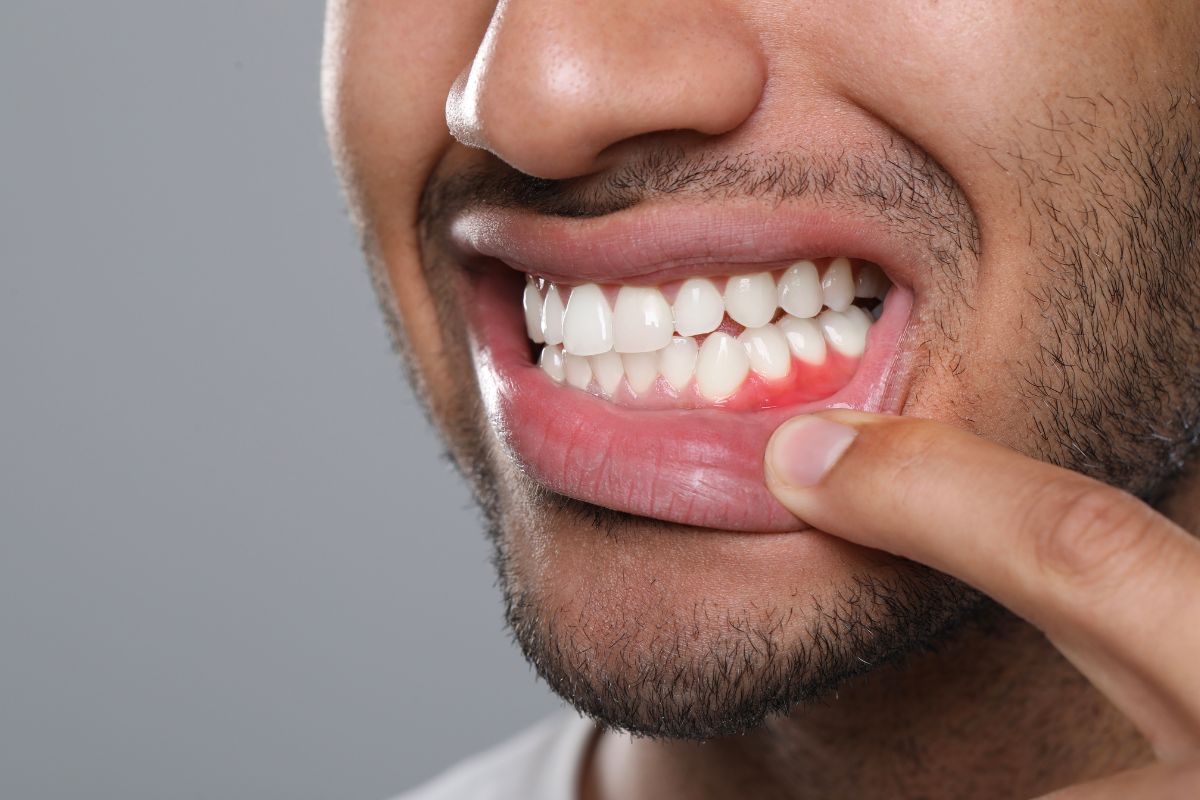
- Red or swollen gums
- Bleeding while brushing
- Tender gum tissue
- Plaque accumulation
- Bad breath
- Early gum disease
Fortunately, most of these concerns improve with better oral hygiene and regular professional care.
Signs Your Gums Need Attention
Your gums should look firm and pink rather than swollen or bright red.
Watch for these warning signs:
- Bleeding during brushing or flossing
- Persistent bad breath
- Puffy gums
- Gum tenderness
- Receding gumline
- Loose teeth
- Pain while chewing
If you notice any of these symptoms, contact your dental team as soon as possible.
How Gum Disease Can Affect Orthodontic Results
Many patients ask whether they can continue orthodontic treatment if they develop gum disease. The answer depends on the severity of the condition.
Early gum disease, called gingivitis, usually improves with professional cleanings and better home care. However, advanced gum disease can damage the bone that supports your teeth.
This may lead to:
- Slower tooth movement
- Delayed treatment
- Greater tooth mobility
- Longer overall treatment time
- Less predictable final results
For this reason, protecting your gums remains one of the smartest investments you can make throughout orthodontic care.
Daily Habits That Support Better Orthodontic Success
The good news is that healthy gums often come down to consistent daily habits.
Brush Carefully Every Day
Brush after every meal whenever possible.
Use:
- A soft-bristled toothbrush
- Fluoride toothpaste
- Small circular motions around brackets and along the gumline
Take your time instead of rushing through your routine.
Floss Every Day
Flossing becomes more challenging with braces, but it remains essential.
Helpful tools include:
- Floss threaders
- Orthodontic floss
- Water flossers
- Interdental brushes
Cleaning between your teeth removes plaque that brushing cannot reach.
Rinse When Recommended
An antimicrobial or fluoride mouth rinse may help reduce bacteria while protecting your teeth and gums.
Always follow your dentist’s recommendations regarding the best rinse for your needs.
Professional Dental Visits Make a Difference
Even excellent brushing cannot remove hardened tartar.
Regular professional cleanings help:
- Remove plaque buildup
- Detect gum problems early
- Reduce inflammation
- Support healthier tooth movement
- Protect long-term oral health
Your orthodontist and general dentist work together to keep your treatment progressing smoothly.
Nutrition Also Supports Healthy Gums
Your diet influences both your gums and your overall oral health.
Try adding more:
- Leafy green vegetables
- Fresh fruits
- Lean proteins
- Dairy products
- Nuts
- Foods rich in vitamin C
At the same time, reduce sugary snacks and sticky foods that encourage plaque buildup around orthodontic appliances.
The Role of Gum Health After Braces Come Off
Many people think orthodontic care ends when braces are removed. In reality, your gums continue supporting your teeth long after treatment finishes.
Healthy gums help:
- Hold teeth in their corrected positions
- Support retainers
- Reduce future complications
- Maintain an attractive smile
Good oral hygiene remains important for life.
Frequently Asked Questions
Can braces cause gum disease?
Braces do not directly cause gum disease. However, they create additional areas where plaque can collect. Without proper cleaning, gum inflammation becomes more likely.
Can swollen gums delay orthodontic treatment?
Yes. Significant inflammation may require treatment before your orthodontist continues making adjustments.
Are clear aligners better for gum health?
Clear aligners can make brushing and flossing easier because they are removable. However, patients still need excellent oral hygiene habits to keep their gums healthy.
How often should I have professional cleanings during orthodontic treatment?
Many patients benefit from dental cleanings every six months, although some may need more frequent visits depending on their oral health.
The role of gum health reaches far beyond preventing bleeding gums. Healthy gums provide the support your teeth need throughout orthodontic treatment and help protect your final results for years to come. By brushing carefully, flossing consistently, eating a balanced diet, and keeping up with regular dental visits, you can improve both your oral health and your orthodontic experience.
If you are planning orthodontic treatment or currently wearing braces or clear aligners, the team at Sierra Dental & Orthodontics is here to help you achieve a healthy, confident smile. We proudly serve patients throughout Denver at our Tennyson and River North locations. Schedule your appointment today to learn how our orthodontic and preventive dental services can support your healthiest smile.