Dental filling or a root canal is a common question for anyone experiencing tooth pain or sensitivity. While both treatments help restore oral health, they address different levels of tooth damage. At Sierra Dental & Orthodontics in Denver, patients receive personalized care that focuses on saving natural teeth whenever possible. Understanding the signs of each treatment can help you seek care before a minor problem becomes more serious.
A cavity that only affects the outer layers of a tooth may need a simple filling. However, if decay reaches the inner pulp where the nerves and blood vessels are located, more advanced treatment may become necessary. Knowing the difference allows you to make informed decisions about your oral health.
What Does a Dental Filling Treat?
A dental filling repairs a tooth that has minor to moderate decay or small areas of damage. The goal is to remove the decayed portion and restore the tooth’s strength and function.
A filling may be recommended when:
- A cavity is small or moderate in size
- The tooth structure remains strong
- Decay has not reached the inner pulp
- There are minor chips or worn areas
- You have mild sensitivity to sweets or cold foods
Because treatment happens early, a filling often prevents more extensive procedures in the future.
What Does a Root Canal Treat?
When bacteria reach the pulp inside the tooth, the infection can affect the nerves and blood vessels. At this stage, removing decay alone is no longer enough.
During this procedure, the dentist removes the infected pulp, cleans the inside of the tooth, disinfects the canals, and seals the tooth to protect it from future infection.
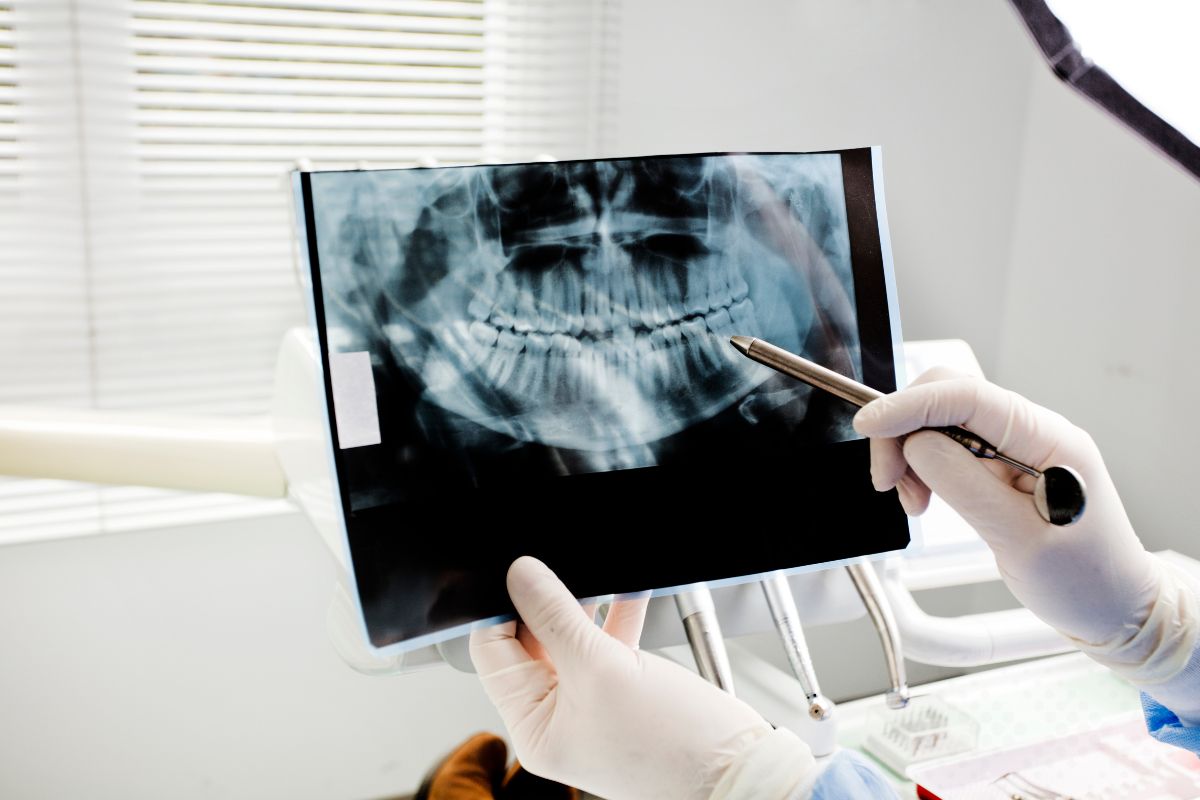
If you are wondering whether you need a dental filling or a root canal, visiting a trusted dentist can help you receive an accurate diagnosis before the problem worsens. At Sierra Dental & Orthodontics, Dr. Jason Morris and Dr. Nichole Schiro use advanced diagnostic technology, including digital imaging, to determine the most appropriate treatment while focusing on preserving your natural teeth whenever possible.
Signs You May Only Need a Filling
Many early cavities produce few symptoms. However, several warning signs may indicate that a filling is enough.
Mild Tooth Sensitivity
You may notice temporary discomfort when eating:
- Cold foods
- Hot drinks
- Sweet snacks
The discomfort usually disappears shortly after removing the trigger.
Small Visible Cavity
You may notice:
- Tiny holes
- Dark spots
- Rough areas on the tooth surface
These early signs often respond well to conservative treatment.
No Lingering Pain
Although mild discomfort may occur occasionally, the pain does not continue for several minutes after eating or drinking.
Signs You May Need More Advanced Treatment
When decay reaches the pulp, symptoms usually become more noticeable.
Persistent Tooth Pain
Pain that lasts for several minutes or occurs without any obvious cause often indicates deeper infection.
The discomfort may become stronger while lying down or during the night.
Severe Sensitivity
Unlike a minor cavity, sensitivity from deeper infection often continues long after eating or drinking hot or cold items.
Swelling Around the Tooth
Infection may spread beyond the tooth itself.
Watch for:
- Swollen gums
- Tenderness
- Small bumps on the gums
- Facial swelling
These symptoms require prompt evaluation.
Pain While Biting
If chewing places pressure on an infected tooth, you may experience sharp pain.
This often suggests inflammation around the tooth’s root.
Dental Filling vs Root Canal
Although both procedures restore oral health, they treat different conditions.
| Dental Filling | Root Canal Treatment |
|---|---|
| Repairs minor decay | Treats infected tooth pulp |
| Preserves healthy tooth structure | Removes infected tissue inside the tooth |
| Usually completed quickly | Requires cleaning and sealing internal canals |
| Best for early cavities | Best for advanced decay or infection |
| Helps prevent larger problems | Helps save a severely damaged tooth |
Your dentist recommends treatment based on the condition of your tooth rather than the amount of discomfort you feel.
How Dentists Decide Which Treatment You Need
Every patient receives an individual evaluation before treatment begins.
Your dentist may assess:
- Your symptoms
- Dental X-rays
- Depth of the cavity
- Tooth vitality
- Gum health
- Previous dental work
These findings allow your dentist to recommend the most effective option while preserving as much natural tooth structure as possible.
Why Early Treatment Matters
Ignoring tooth pain rarely solves the problem.
Instead, untreated decay may:
- Spread deeper into the tooth
- Cause infection
- Increase treatment complexity
- Lead to tooth loss
- Affect neighboring teeth
Seeking care early often means simpler treatment, lower costs, and better long-term results.
Tips to Reduce Your Risk
Good daily habits can lower your chances of needing restorative treatment.
Protect your smile by:
- Brushing twice every day
- Flossing daily
- Limiting sugary snacks
- Drinking plenty of water
- Scheduling regular dental exams
- Having professional cleanings
These habits help prevent cavities before they develop into larger problems.
Never Ignore Persistent Symptoms
Even if the pain comes and goes, your tooth may still need professional attention.
Schedule an evaluation if you notice:
- Ongoing tooth pain
- Swelling
- Temperature sensitivity
- Pain while chewing
- Cracked teeth
- Deep cavities
Early diagnosis provides more treatment options and often leads to better outcomes.
Choosing between a dental filling or a root canal depends on how far tooth decay has progressed. A filling usually treats small cavities before they reach the inner tooth, while deeper infections require more advanced care to preserve the natural tooth. Paying attention to symptoms and seeking prompt evaluation helps prevent complications and supports long-term oral health.
If you are experiencing tooth pain or sensitivity, the experienced team at Sierra Dental & Orthodontics is here to help. Schedule an appointment today and visit our dental office at either our Tennyson or River North location in Denver for a thorough evaluation and personalized treatment recommendations that fit your needs.