Worn filling replacement signs can be easy to overlook, especially when a restoration has worked well for years. A tooth may feel normal even as the material begins to weaken around the edges. At Sierra Dental & Orthodontics, 2656 Walnut St. in Denver, patients can receive personalized restorative dental care when an old restoration starts showing signs of damage.
A dental filling can restore a tooth after decay removes part of its natural structure. However, no restoration lasts forever. Everyday chewing, grinding, changes in the surrounding tooth, and normal wear can eventually affect its condition. In some cases, the tooth may also develop new decay around the restoration.
Knowing what to watch for can help you seek care before a small issue becomes a larger dental problem.
How Long Can a Dental Filling Last?
There is no universal expiration date for every filling. Longevity depends on several factors, including the material, size and location of the restoration, chewing forces, oral hygiene, diet, and the condition of the surrounding tooth.
Some restorations can remain functional for many years. Others may need attention sooner, particularly when they experience heavy chewing pressure or repeated stress.
For patients searching for a Denver dentist, Sierra Dental & Orthodontics offers general and restorative dentistry designed to help maintain healthy teeth and address damaged or weakened restorations. The practice provides tooth colored fillings as part of its general dental services and also offers crowns when a tooth requires greater structural support.
7 Worn Filling Replacement Signs to Watch For
Not every change means that you need a new restoration. However, certain symptoms deserve a dental examination.
1. New or Increasing Tooth Sensitivity
Sensitivity can be one of the first changes you notice. A previously comfortable tooth may suddenly react to:
- Cold water
- Hot beverages
- Ice cream
- Sweet foods
- Cold air
- Pressure during chewing
A short, mild sensation does not automatically mean the restoration has failed. Sensitivity can have several causes, including exposed tooth surfaces, gum recession, decay, or changes inside the tooth.
However, if sensitivity develops around an older restoration or becomes stronger over time, schedule a dental evaluation.
2. Pain When You Bite or Chew
Pain that occurs when you put pressure on a tooth can indicate a problem that needs attention.
You might notice discomfort when eating something hard or when biting down in a particular way. The cause could involve the restoration, the tooth underneath it, a crack, or another dental condition.
Do not try to diagnose the cause yourself. Your dentist can examine the tooth and determine whether the restoration remains stable.
3. A Rough or Uneven Edge
Run your tongue gently over the tooth. Does it feel different from the surrounding teeth?
A restoration that once felt smooth may develop a rough area, sharp edge, or noticeable change in shape. You may also feel a small area that catches your tongue or floss.
These changes can occur when restorative material wears, chips, or separates slightly from the tooth.
A rough edge does not always mean the entire restoration needs replacement. In some situations, your dentist may determine that a minor adjustment is enough. An examination can clarify the best approach.
4. A Visible Crack or Chip
A visible chip or crack deserves prompt attention, particularly when it affects an older restoration.
Dental restorations experience repeated pressure every time you chew. Over time, that pressure can contribute to wear or damage.
If you can see a piece of the restoration missing, do not ignore it simply because the tooth does not hurt. A damaged restoration can leave the underlying tooth more vulnerable.
5. Food Keeps Getting Trapped Around the Tooth
Do you repeatedly find food collecting around one particular tooth?
A change in the shape or edge of a restoration can create an area where food becomes trapped. This can make cleaning more difficult and may contribute to plaque accumulation.
Food trapping can have several causes, so it does not automatically prove that a restoration has failed. Still, a new or persistent change deserves professional evaluation.
6. Floss Feels Different Around the Restoration
Floss should normally move through the contact between teeth without repeatedly catching, shredding, or becoming unusually difficult to remove.
If floss suddenly catches around an older restoration, the edge or shape may have changed. A rough surface or damaged margin can affect how the area feels during daily cleaning.
Tell your dentist about the change, especially if it started recently.
7. The Tooth Looks Different
Sometimes the first clue is visual rather than physical.
You may notice:
- A dark area near the edge
- A visible gap
- A chipped portion
- A change in the shape of the tooth
- Staining around the restoration
- A portion that looks worn or broken
Some discoloration may be harmless, while other changes can indicate decay or deterioration. Your dentist can determine what the change means after examining the tooth.
Why Old Restorations Can Wear Down
Your teeth experience thousands of chewing movements over time. Every bite creates pressure on both natural tooth structure and restorative material.
Several factors can contribute to wear.
Everyday Chewing
Normal chewing places repeated stress on restored teeth. Hard or crunchy foods can create additional pressure, particularly when you use the same side of your mouth frequently.
Teeth Grinding and Clenching
Grinding or clenching can put significant force on teeth and restorations. Some people grind at night without realizing it.
If you frequently wake with jaw soreness, headaches, tooth sensitivity, or signs of tooth wear, mention these symptoms to your dentist.
Large Restorations
A large restoration leaves less natural tooth structure surrounding the repaired area. When a tooth becomes significantly weakened, your dentist may recommend a crown or another restorative option rather than placing another filling.
Sierra Dental & Orthodontics explains that crowns can help strengthen teeth that are broken, worn, or partially destroyed by decay. The practice also notes that crowns or onlays may become appropriate when insufficient tooth strength remains to support a filling.
Can a Worn Filling Cause New Decay?
A restoration does not make the tooth immune to future decay.
The natural tooth surrounding a restoration can still develop cavities. Plaque and bacteria can collect along areas that are difficult to clean, particularly when the restoration has an irregular edge or the patient struggles with daily oral hygiene.
That is why regular dental examinations remain important even when an old restoration feels comfortable.
Watch the Area Around the Edges
Pay particular attention if you notice:
- New sensitivity
- A dark area near the margin
- Food getting stuck
- A rough edge
- A change in flossing
- Pain when chewing
These signs do not confirm decay, but they provide a reason to have the tooth checked.
Does Every Damaged Filling Need to Be Replaced?
No. Your dentist will consider the condition of the restoration and the tooth before recommending treatment.
Depending on what the examination shows, possible options may include:
- Monitoring the area
- Smoothing or adjusting the restoration
- Repairing part of the restoration
- Replacing the filling
- Using an inlay or onlay
- Placing a crown
- Treating the tooth with another restorative procedure
The right choice depends on how much natural tooth structure remains and what caused the problem.
For example, a small surface issue may require a different approach than a tooth with extensive structural damage.
Filling Replacement vs. a Dental Crown
Patients sometimes assume that every worn restoration simply needs another filling. That is not always the case.
A filling works by placing restorative material directly into the prepared tooth. A crown, on the other hand, covers the tooth above the gumline and can provide greater structural support.
Sierra Dental & Orthodontics notes that crowns can be used for teeth that are broken, worn, or significantly damaged by decay. It also explains that a crown may be appropriate when the tooth does not have enough strength to hold a filling.
When a Crown May Make More Sense
Your dentist may discuss a crown when:
- A large portion of the tooth has been restored
- Significant natural tooth structure has been lost
- The tooth has cracked or weakened
- A previous restoration has failed repeatedly
- The remaining tooth needs additional protection
Your dentist can evaluate the tooth and explain which option offers the most appropriate balance of strength, function, and long-term protection.
What Happens During an Evaluation?
If you notice signs that an older restoration may be wearing down, your dentist will first examine the tooth.
The visit may involve:
Visual Examination
Your dentist checks the restoration, surrounding tooth structure, gumline, and nearby teeth for visible changes.
Bite Assessment
Your dentist may check how the tooth contacts the opposing teeth. An uneven bite can place additional pressure on a restoration.
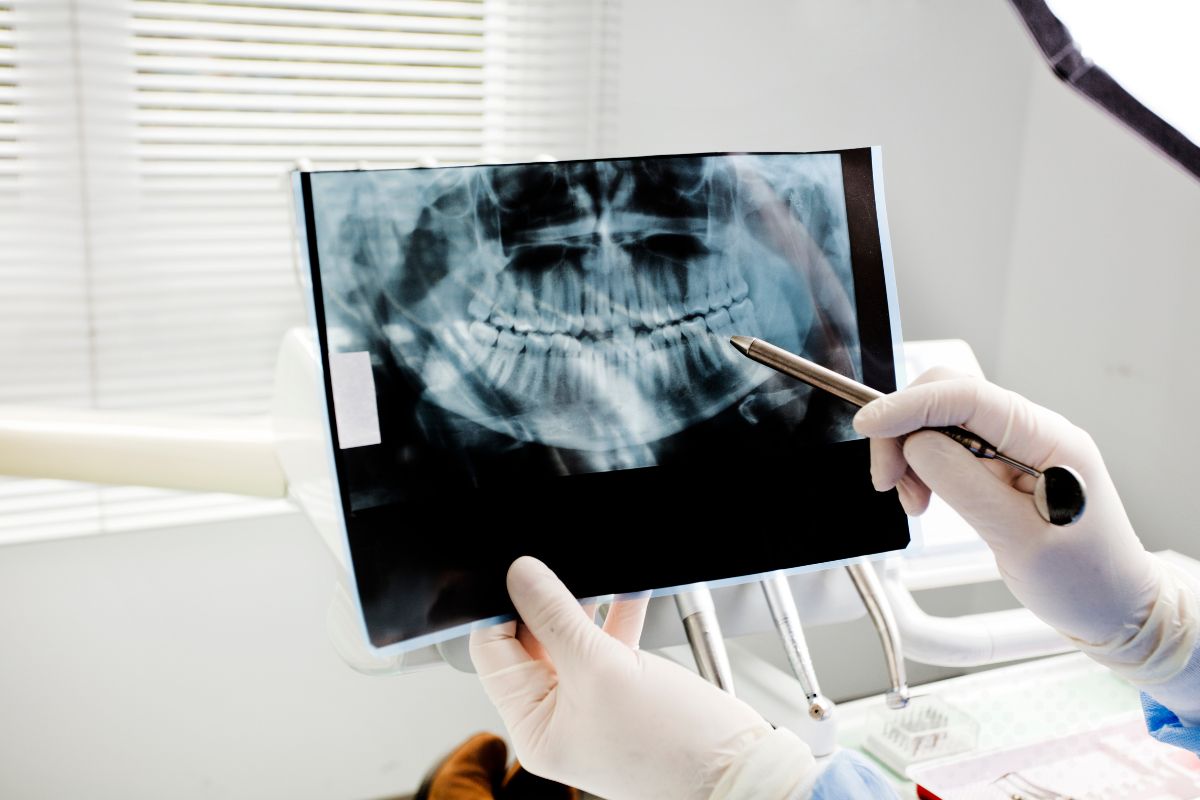
Dental X-Rays When Needed
An X-ray can help your dentist evaluate areas that cannot be fully assessed during a visual examination. Your provider decides whether imaging would help based on your symptoms and clinical findings.
Treatment Recommendation
After evaluating the tooth, your dentist can explain whether the restoration can remain in place, needs repair, or requires replacement.
What Should You Do If a Filling Falls Out?
A lost restoration deserves attention even if you do not feel pain.
The exposed tooth may feel sensitive, and food can collect in the space. Try to keep the area clean and avoid chewing hard foods on that side until you receive professional guidance.
Sierra Dental & Orthodontics lists lost fillings and other restorations among situations that may require prompt dental attention.
If you experience significant pain, swelling, facial trauma, or another urgent symptom, contact a dental office promptly.
How to Protect Your Dental Restorations
You cannot prevent every restoration from wearing down, but good habits can help protect your teeth.
Maintain Daily Oral Hygiene
Brush twice daily with fluoride toothpaste and clean between your teeth every day. Good plaque control helps protect the natural tooth around the restoration.
Avoid Constantly Chewing Hard Objects
Do not use your teeth to open packages, bite pens, crack shells, or chew other non-food objects. These habits can place unnecessary stress on both teeth and restorations.
Manage Teeth Grinding
If you grind or clench, ask your dentist whether a custom night guard or another approach may help protect your teeth.
Keep Regular Dental Visits
Routine examinations allow your dentist to monitor older restorations and identify changes before they become painful.
This is especially important because a restoration can deteriorate without producing obvious symptoms at first.
When Should You Contact a Denver Dentist?
You do not need to wait for severe pain before seeking care.
Consider contacting your dental office when you notice:
- New sensitivity around an old restoration
- Pain while chewing
- A cracked or chipped area
- A rough or sharp edge
- Food repeatedly becoming trapped
- A noticeable change in the tooth
- A restoration that feels loose
- A restoration that has fallen out
Early evaluation can help determine whether the issue needs a simple repair or more extensive restorative care.
Conclusion
Recognizing worn filling replacement signs can help you protect a restored tooth before a small problem becomes more complicated. Sensitivity, pain when chewing, rough edges, chips, food trapping, changes in flossing, and visible damage can all justify a professional examination.
However, these symptoms do not automatically mean that you need a new restoration. Your dentist needs to evaluate the tooth, restoration, bite, and surrounding structures before recommending treatment. In some cases, a repair or adjustment may be enough. In others, replacement or a crown may provide better long-term protection.
If you notice changes in an older restoration or need restorative dental care, schedule an appointment at Sierra Dental & Orthodontics, 2656 Walnut St., Denver, CO 80205, for a personalized evaluation.